Showing 421–440 of 2776 resultsSorted by latest
-
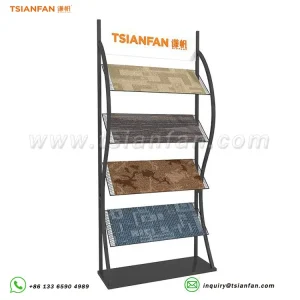
Carpet samples are bulky, flexible, and easily damaged if stored improperly. The 900 was designed specifically for rolled and hanging carpet presentation — not adapted from a general-purpose rack.
-


Showrooms with mixed door types — interior, exterior, sliding, bi-fold — need display that works for all configurations. The 775 adjustable mounting points accept any standard door hinge pattern.
-
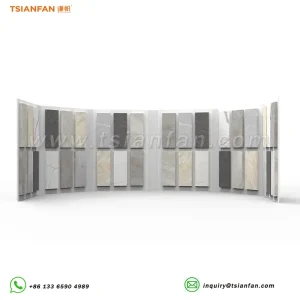
The 6 frame uses CNC-welded joints throughout — every structural connection is a continuous weld bead, not a bolt and washer. This doubles the load rating compared to bolt-together designs.
-
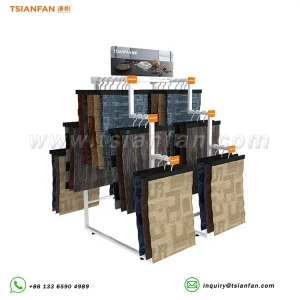
Rolled carpet display is all about density — how many SKUs can you show per linear meter. The DL023 arranges rolls in a staggered pattern that maximizes visible face area while minimizing floor footpr
-

Door and window showrooms are high-traffic environments where display fixtures take daily abuse. The SZP031 frame uses reinforced pivot points and dampened swing stops rated for thousands of open-clos
-
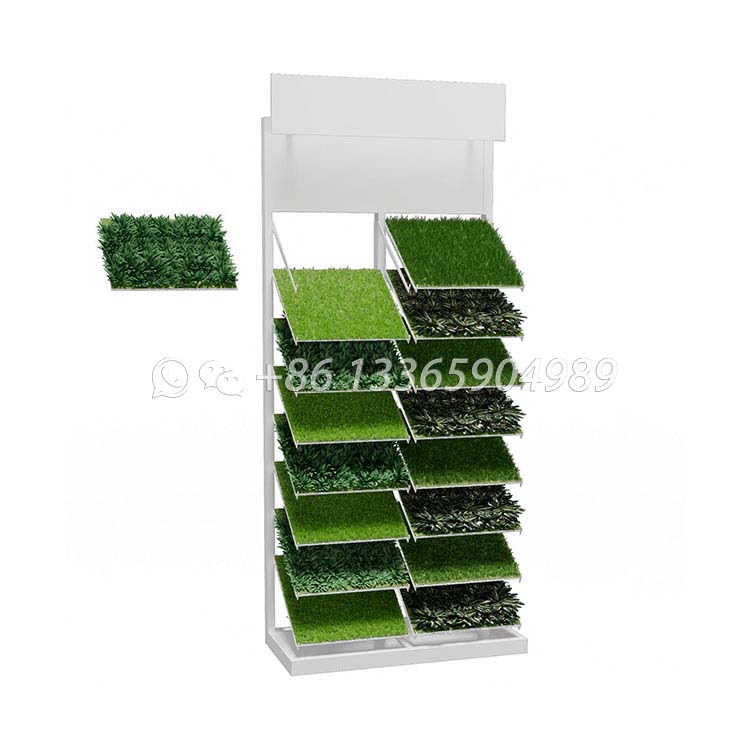
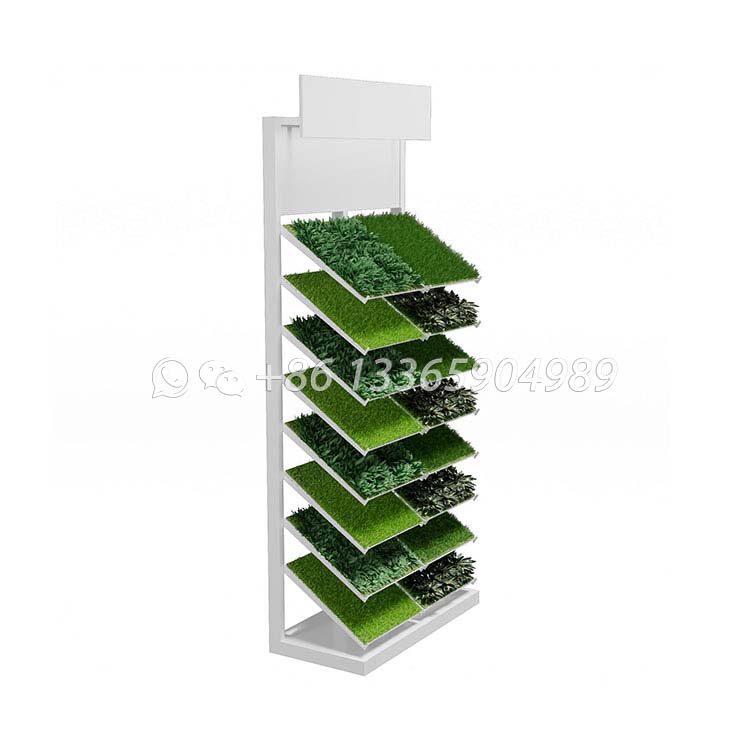
The STAND uses a modular rail system that accepts eight different sample holder types. Swap from tile brackets to plank shelves in about 15 minutes with nothing more than the included hex key.
-
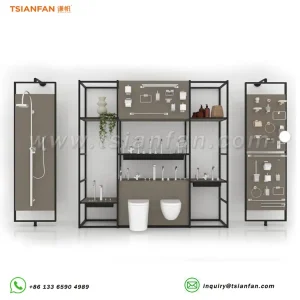
The 488 locking casters are TK-200 series — the same specification used in hospital equipment. Silent rolling, full-lock at pedal press, and rated for years of daily repositioning across hard floors.
-
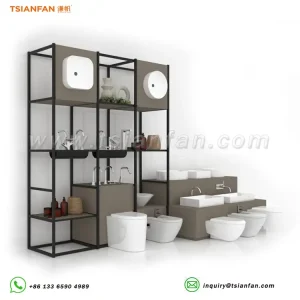
Not every showroom sells a single product category. The 512 was designed for versatility — it handles tile, stone, wood, and laminate samples with equal reliability using interchangeable holder types.
-
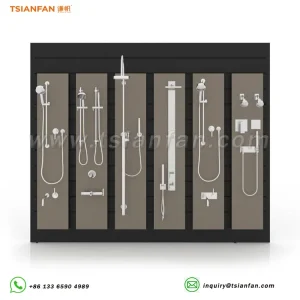
Multi-category building material distributors face a constant challenge: how to display diverse products without buying separate display systems for each. The 10 solves that with modular, reconfigurab
-
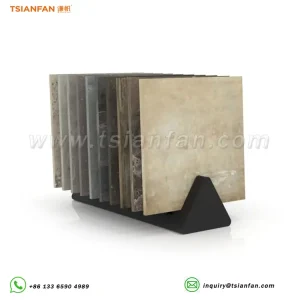
The 454 was field-tested for 18 months in a high-traffic Dubai showroom before we released the design. Every improvement between prototype and production came from watching real customers interact wit
-
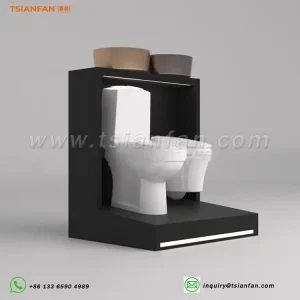
The biggest complaint we heard from distributors was display racks that developed a ‘lean’ after 6 months. The 720 has gusseted corner plates and cross-braced rear panels that eliminate frame racking.
-
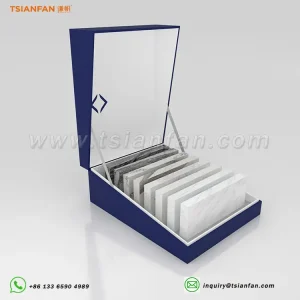
Natural stone varies in thickness from 10mm to 30mm, and your display rack must handle that range. The 880 slots accept the full thickness spectrum without adapter plates or shims.
-
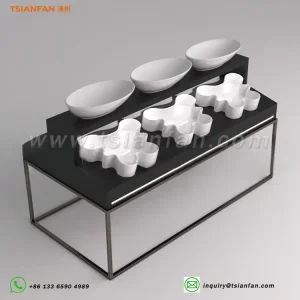
The 234 was first prototyped for a Dubai-based stone importer who needed display racks that could survive in 45°C warehouse heat without the powder coat peeling. That prototype is still in service 4 y
-
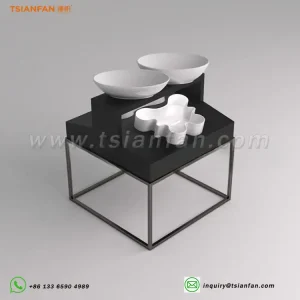
Not every showroom sells a single product category. The 726 was designed for versatility — it handles tile, stone, wood, and laminate samples with equal reliability using interchangeable holder types.
-
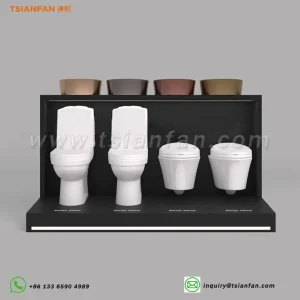
Multi-category building material distributors face a constant challenge: how to display diverse products without buying separate display systems for each. The 721 solves that with modular, reconfigura
-
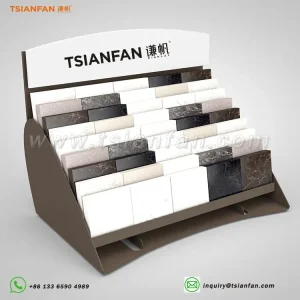
We manufacture the 501 in our Xiamen facility where we control every step from steel procurement to final assembly. No subcontractors, no quality gaps.
-
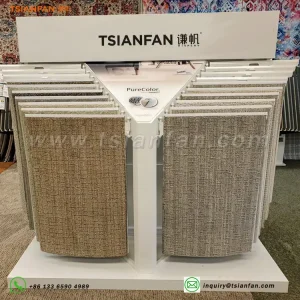
The 825 frame uses thick-gauge steel tube because carpet rolls are heavier than they look. A full rack of densely woven commercial carpet samples can weigh over 200kg.
-
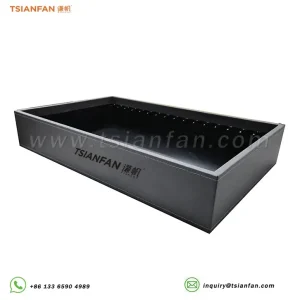
Stone showrooms face constant tension: display more products to sell more, but do not overcrowd the space. The 373 uses a staggered front-to-back layout that shows every slab face from a single aisle.
-
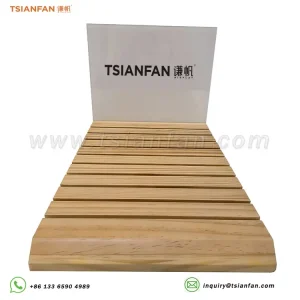
Stone showrooms face constant tension: display more products to sell more, but do not overcrowd the space. The 878 uses a staggered front-to-back layout that shows every slab face from a single aisle.
-
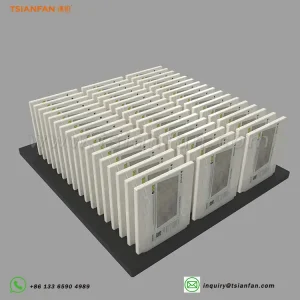
We manufacture the 841 in the same facility where we build industrial storage systems, which is why the load ratings on our display racks are conservative rather than aspirational.