
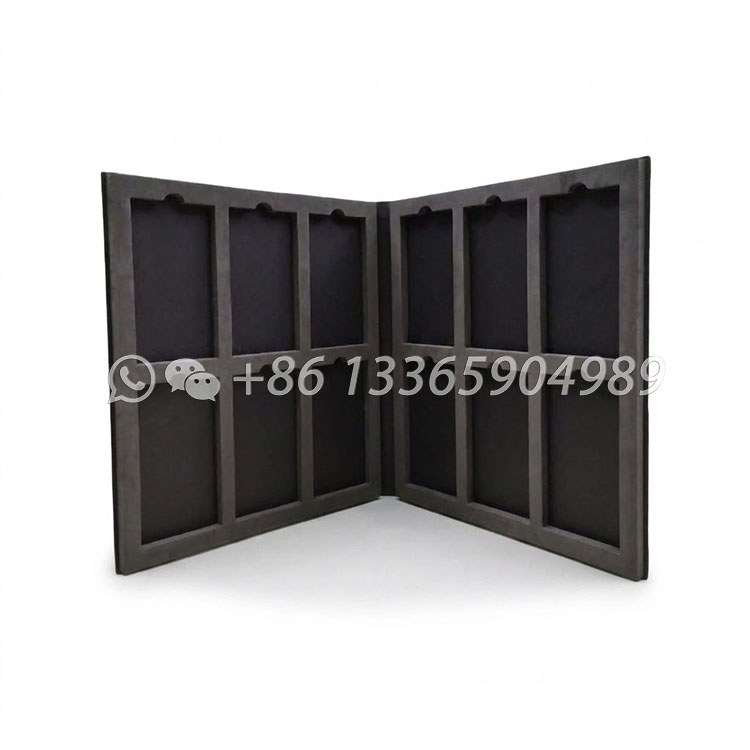
4 Panels Fold‑Out Stone Sample Folder, Mixed‑Grid Building Material Swatch Book For Showroom-PY-U
4‑fold mixed‑grid sample book holds different‑size stone swatches for showroom and client display.
Showing 1–20 of 257 resultsSorted by latest
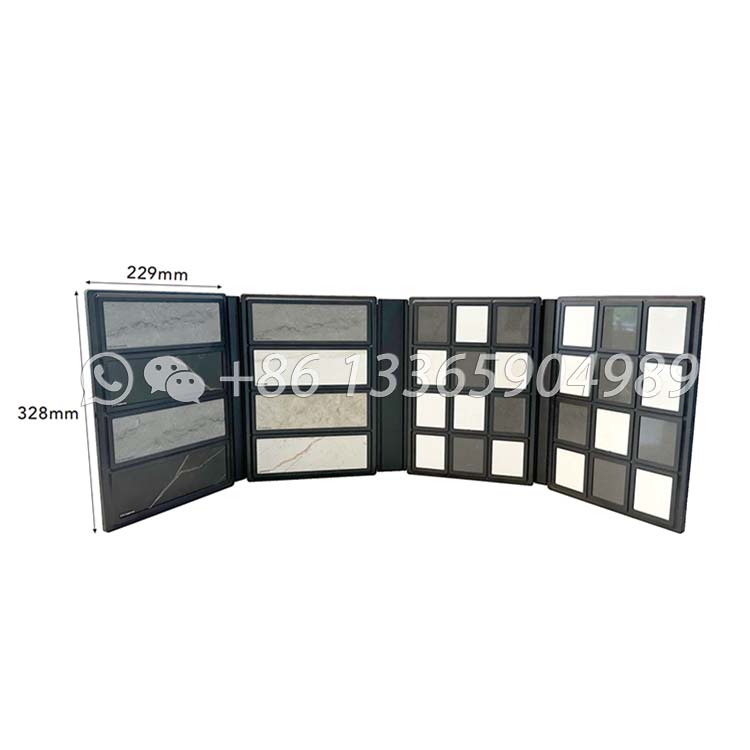
4‑fold mixed‑grid sample book holds different‑size stone swatches for showroom and client display.
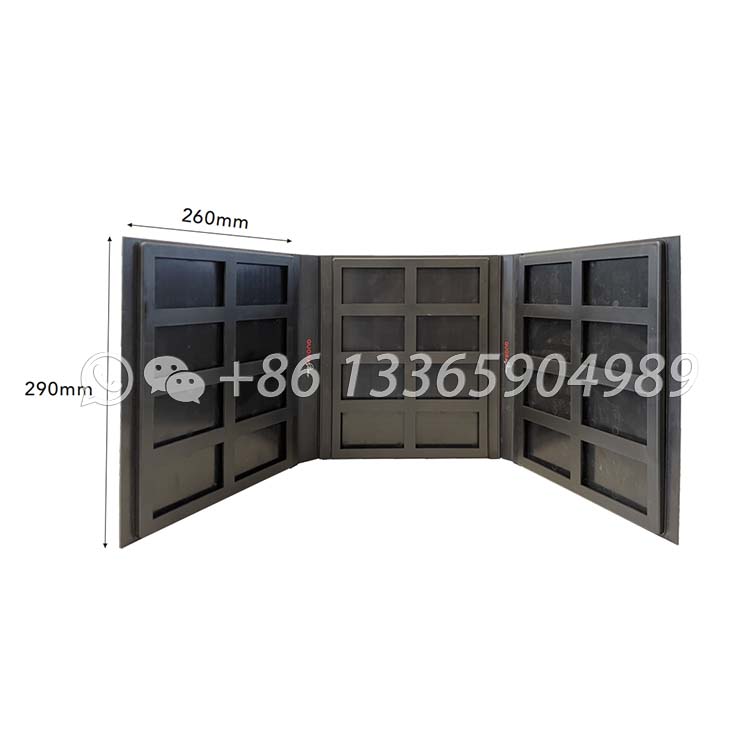
Custom 3‑Fold Tile Sample Book, Multi‑Grid Marble Ceramic Stone Sample Display Catalogue
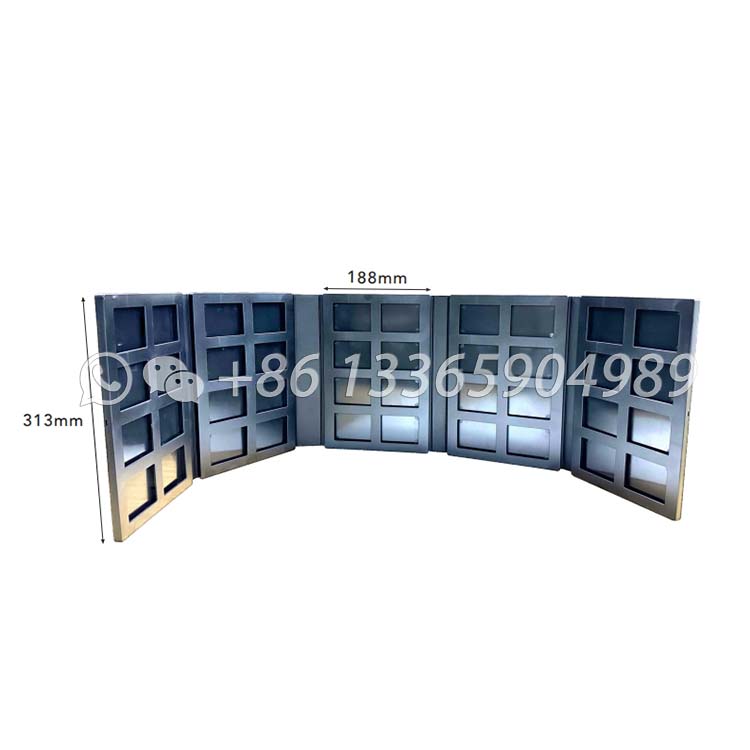
5‑fold multi‑pocket tile sample book, store many stone swatches for showroom and client display.
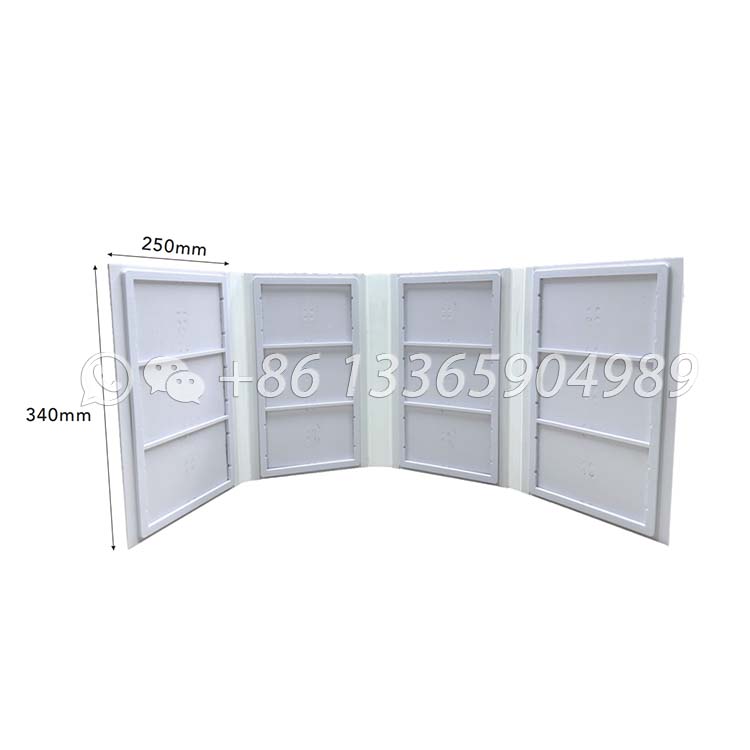
4‑fold portable tile sample book, holds multiple stone samples, ideal for showroom and customer presentation.
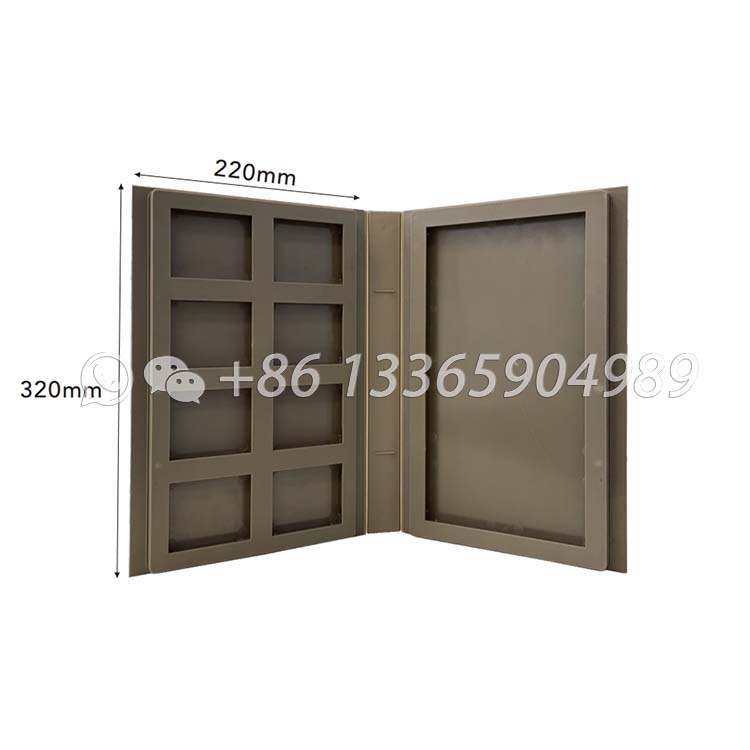
Fold‑open tile sample book, portable for showroom, holds multiple stone & ceramic samples for easy display.
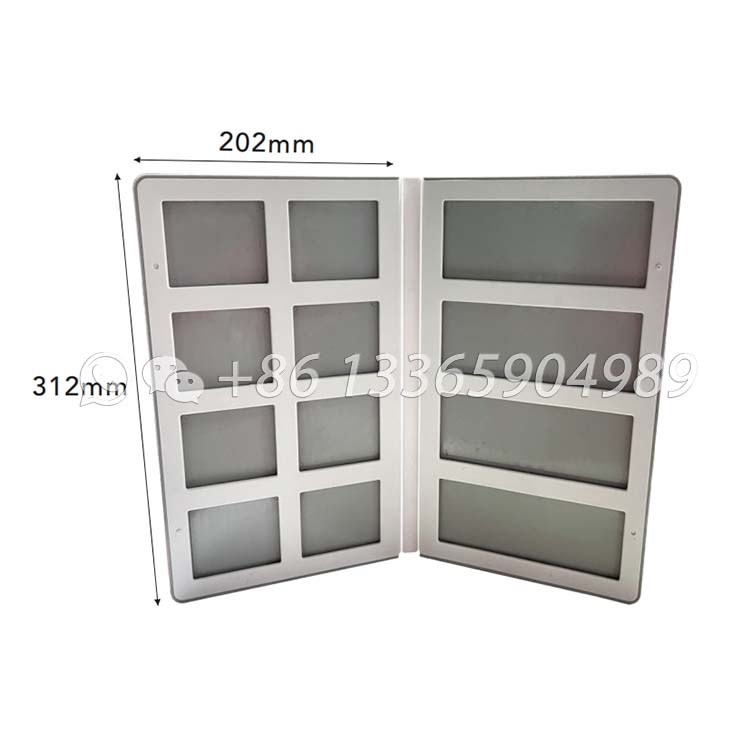
Plastic sample book for stone and ceramic tiles, providing organized display, easy selection, and professional presentation for showrooms and customers.
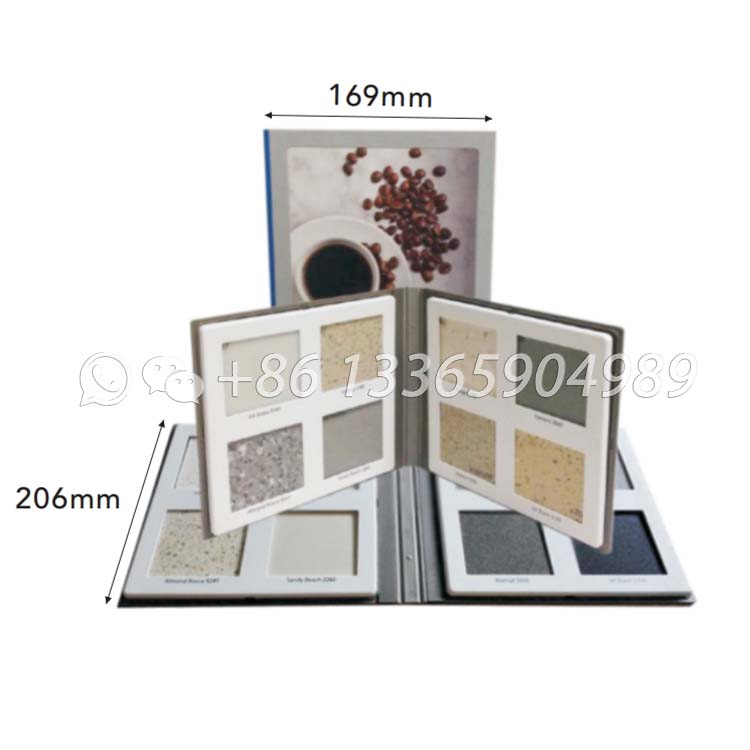
Sample book for stone and ceramics, designed for organized display, easy selection, and professional product presentation in showrooms.
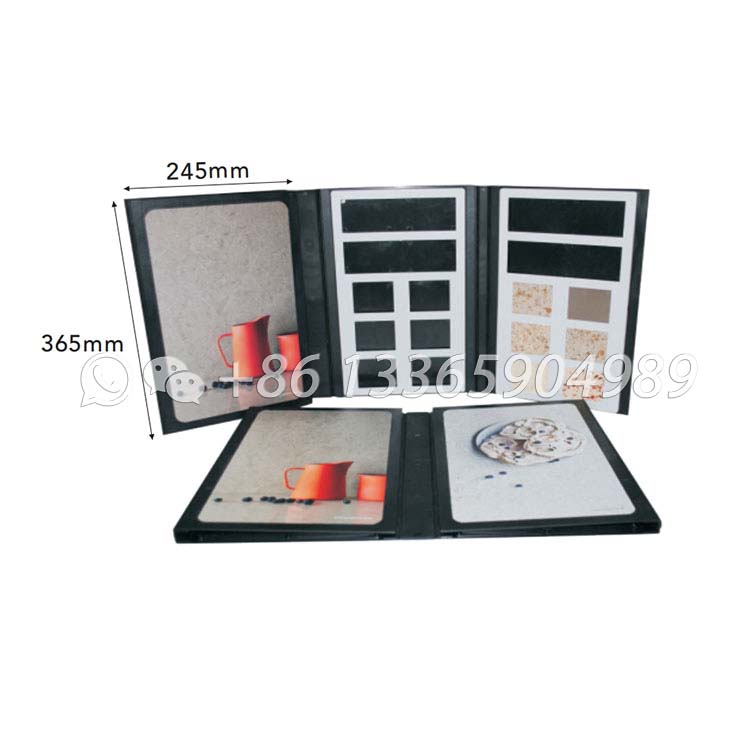
Premium, durable, and fully customizable display solutions to showcase ceramic, porcelain, and stone samples seamlessly.
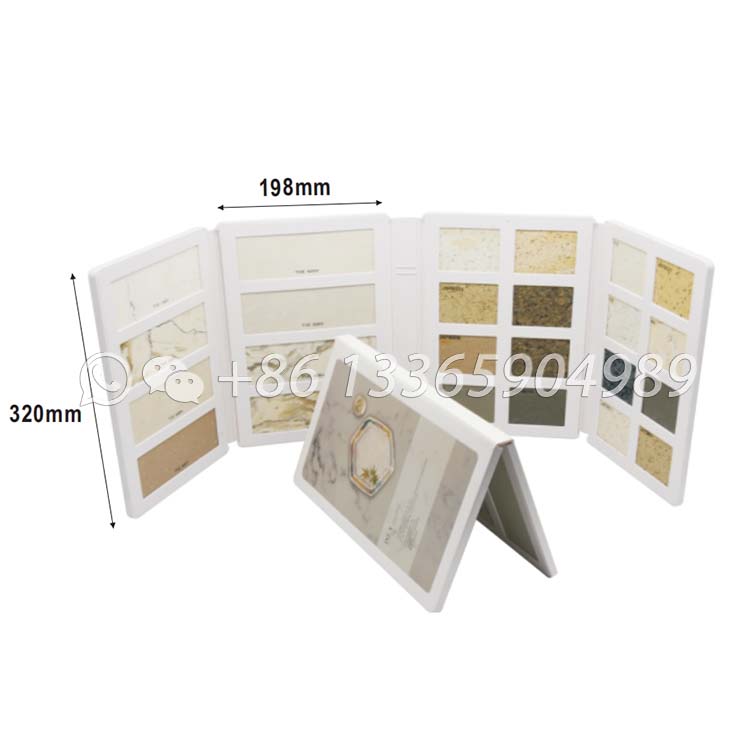
Marble showrooms need display fixtures that match the elegance of the stone. The BOOK matte black finish with clean geometric lines complements rather than competes with premium natural stone.
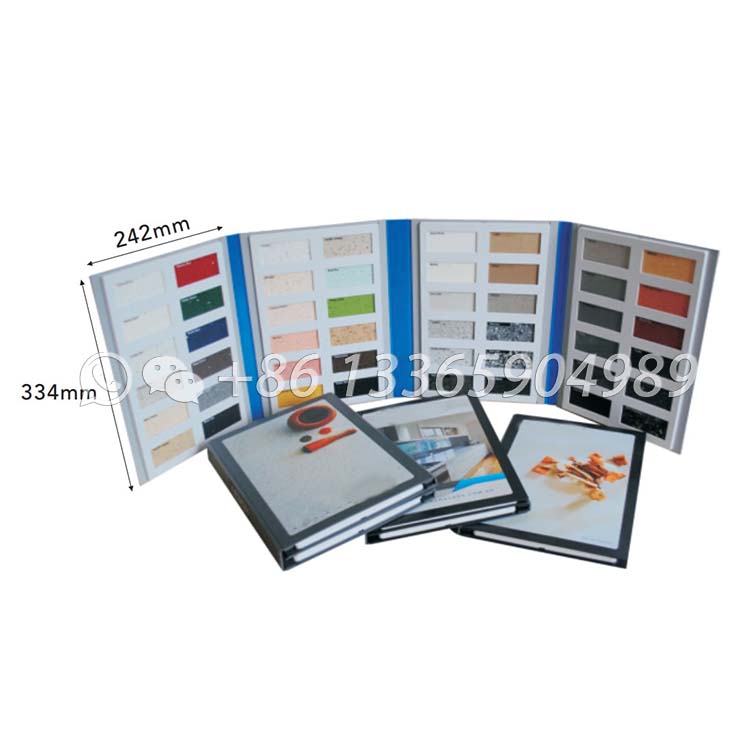
We engineered the 12 center of gravity 40% below the frame midpoint after studying how customers interact with stone displays. They lean slabs forward to see the polished face, and the rack must not m
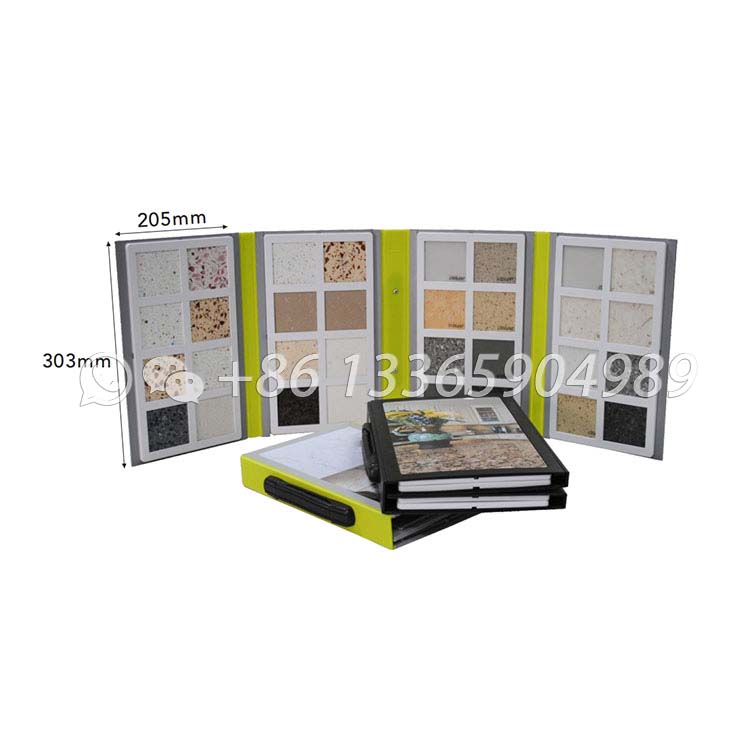
We manufacture the BOOK with frame tolerances borrowed from industrial pallet racking. Not because display stands belong in warehouses, but because wobbling is unacceptable when presenting a $3,000 ma
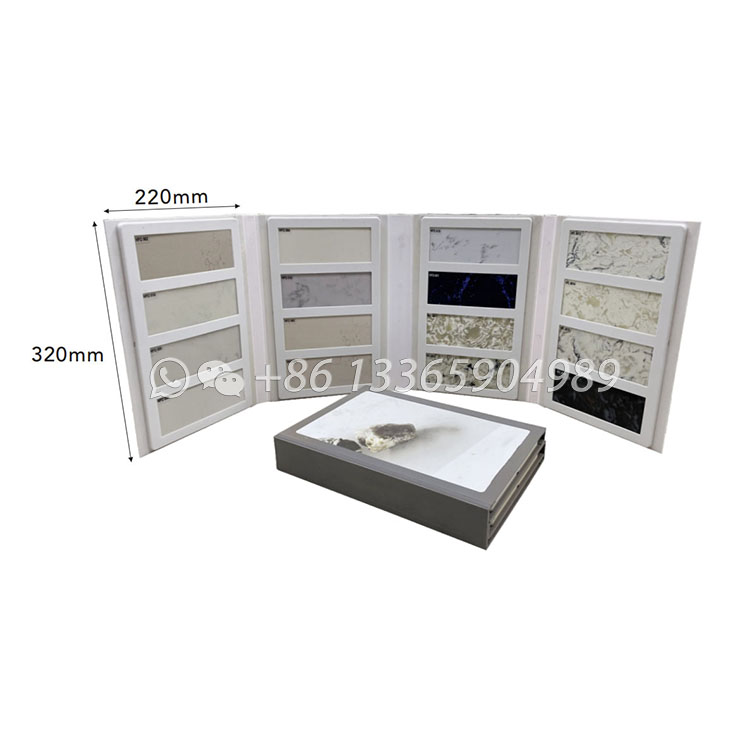
Custom tile sample book manufacturer offering customized sample books for ceramic, porcelain, stone, and other tile collections.

Wholesale custom sample folders and binders for stone, tile, and flooring manufacturers. High load-capacity design built for thick slabs and trade show portability. Contact us for custom OEM/ODM solutions.
Customizable in layout, size, and branding to create a professional, lasting impression.
The biggest complaint we heard from distributors was display racks that developed a ‘lean’ after 6 months. The BOARDS has gusseted corner plates and cross-braced rear panels that eliminate frame racki
The SUITCASE frame is engineered with a center of gravity 40% below the midpoint. Even with all sample panels pulled out simultaneously, the rack stays planted.
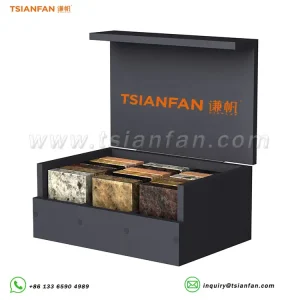
We manufacture the PRODUCT in the same facility where we build industrial storage systems, which is why the load ratings on our display racks are conservative rather than aspirational.
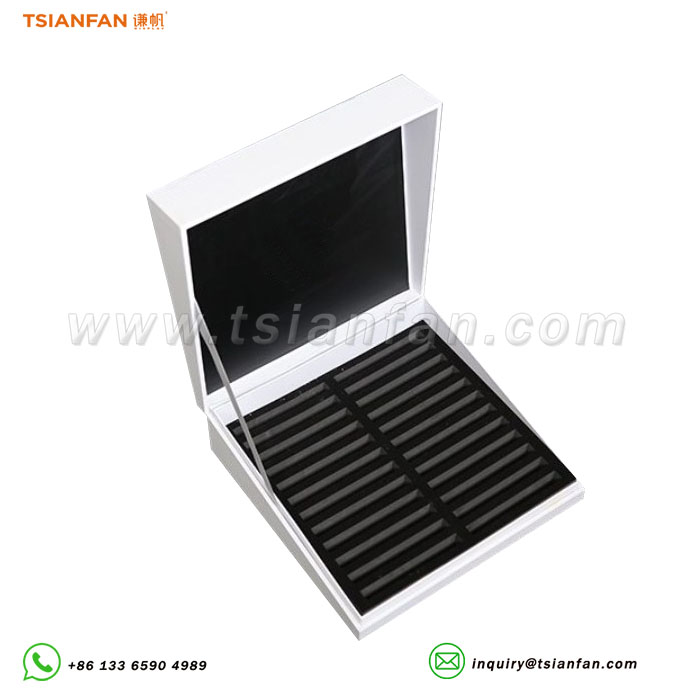
The BOX uses a modular rail system that accepts eight different sample holder types. Swap from tile brackets to plank shelves in about 15 minutes with nothing more than the included hex key.
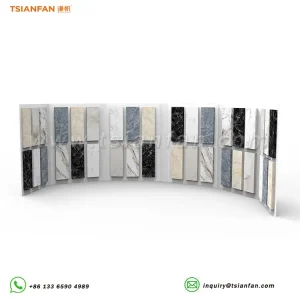
The C frame uses CNC-welded joints throughout — every structural connection is a continuous weld bead, not a bolt and washer. This doubles the load rating compared to bolt-together designs.
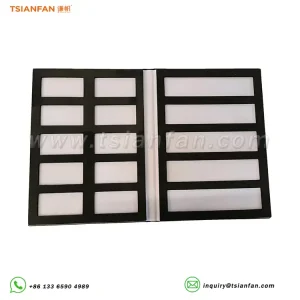
Natural stone slabs are heavy, irregular, and expensive to replace. The CATALOG was engineered around those realities — load-tested to 120kg per slot with a safety factor of 2.5.