
inter-wash sample display,high-end showrooms-sy2016
The SY2016 uses a modular rail system that accepts eight different sample holder types. Swap from tile brackets to plank shelves in about 15 minutes with nothing more than the included hex key.
Showing 661–680 of 2776 resultsSorted by latest
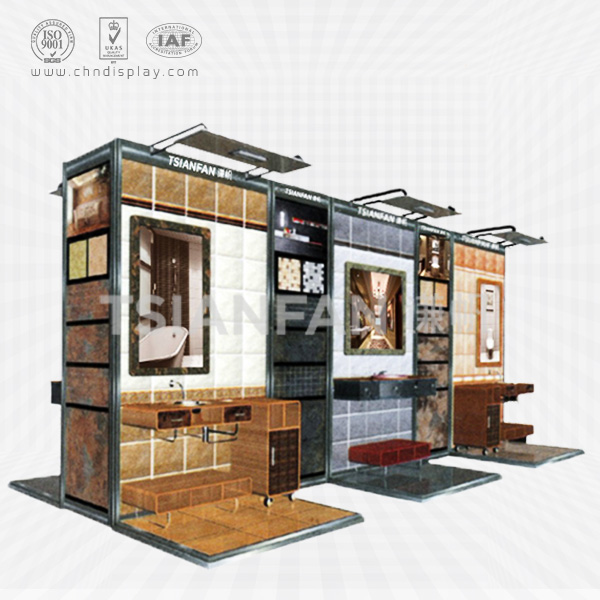
The SY2016 uses a modular rail system that accepts eight different sample holder types. Swap from tile brackets to plank shelves in about 15 minutes with nothing more than the included hex key.
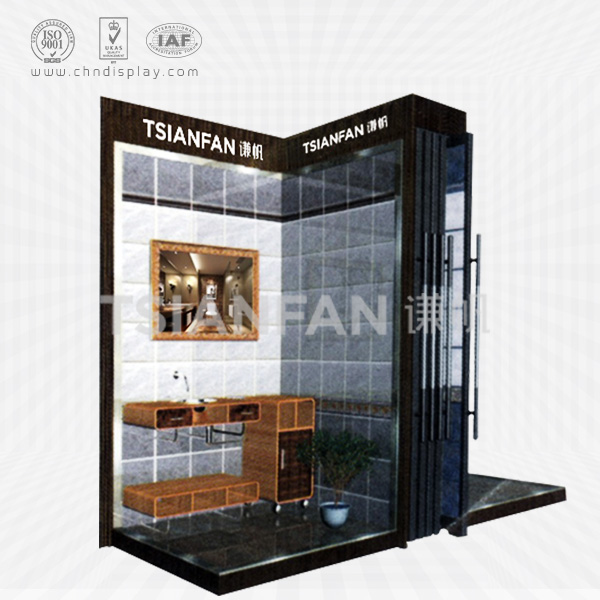
We build the SY2015 from cold-rolled steel with the same cross-section specifications used in structural scaffolding. It is over-engineered for display, which means it handles years of reconfiguration
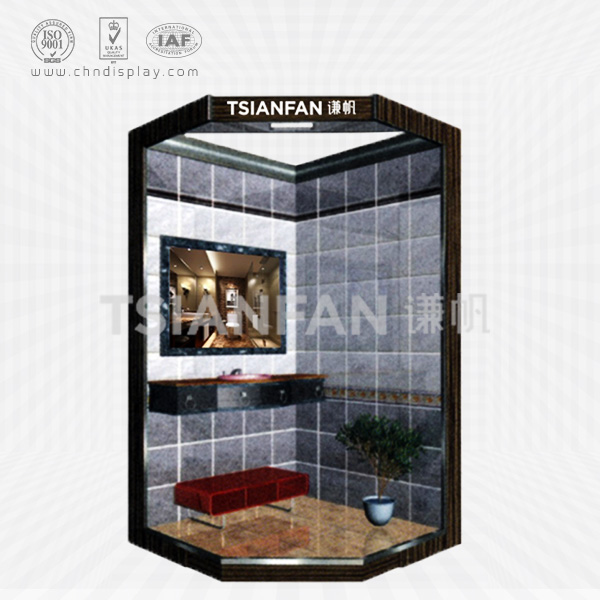
Multi-category building material distributors face a constant challenge: how to display diverse products without buying separate display systems for each. The SY2014 solves that with modular, reconfig
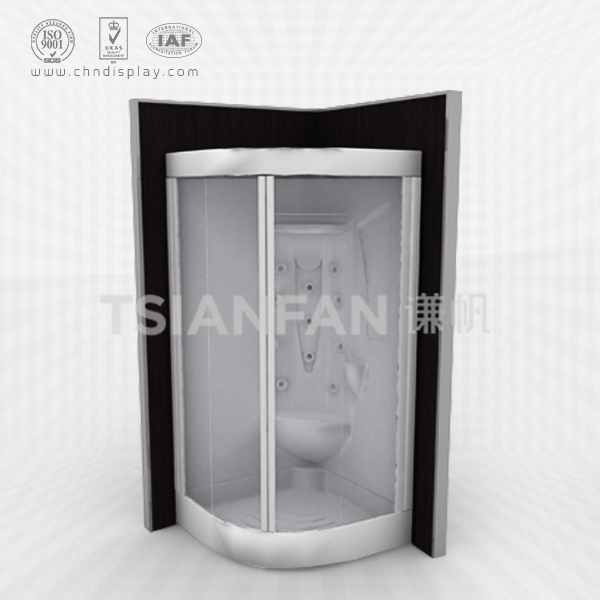
The SY2034 locking casters are TK-200 series — the same specification used in hospital equipment. Silent rolling, full-lock at pedal press, and rated for years of daily repositioning across hard floor
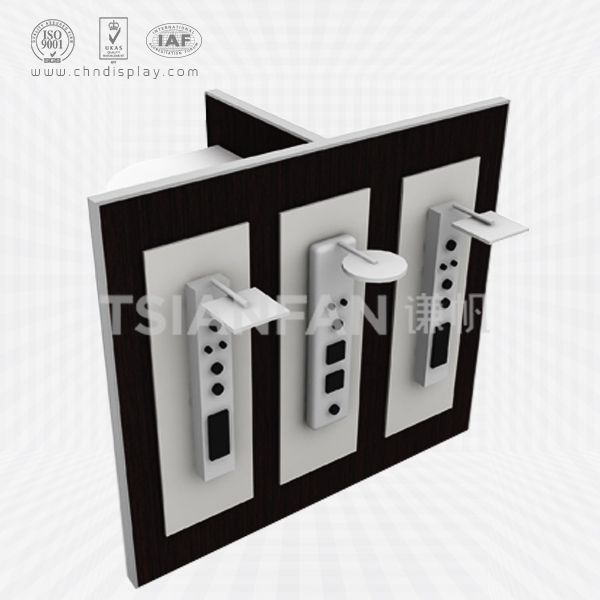
We build the SY2031 from cold-rolled steel with the same cross-section specifications used in structural scaffolding. It is over-engineered for display, which means it handles years of reconfiguration
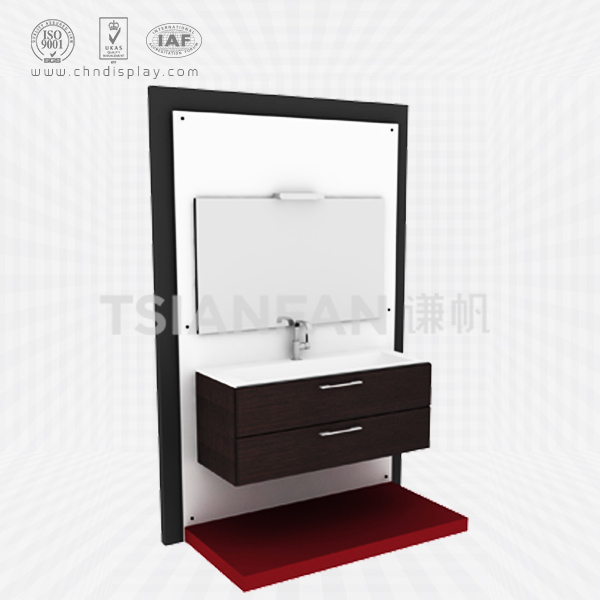
We originally built the SY2030 for a multi-brand distributor who needed one rack system that could adapt as their product mix changed. It is now our most popular platform because showrooms evolve fast
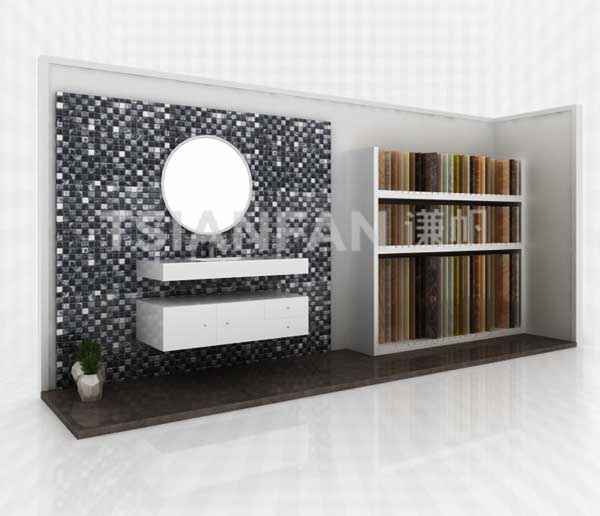
We originally built the SY2029 for a multi-brand distributor who needed one rack system that could adapt as their product mix changed. It is now our most popular platform because showrooms evolve fast
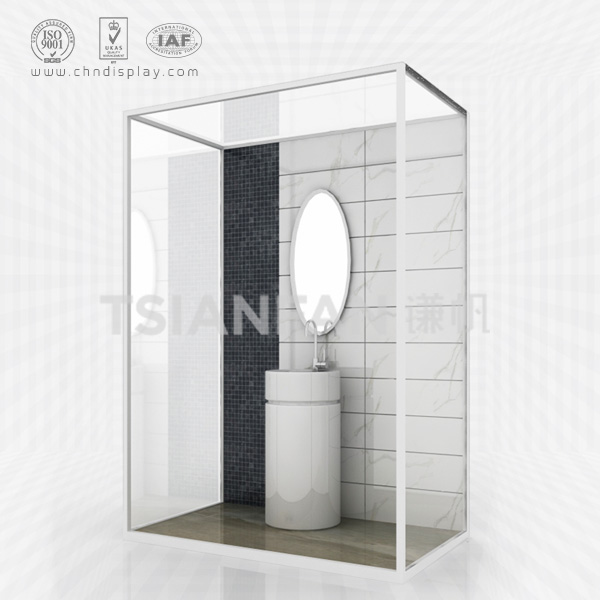
We build the SY2026 from cold-rolled steel with the same cross-section specifications used in structural scaffolding. It is over-engineered for display, which means it handles years of reconfiguration
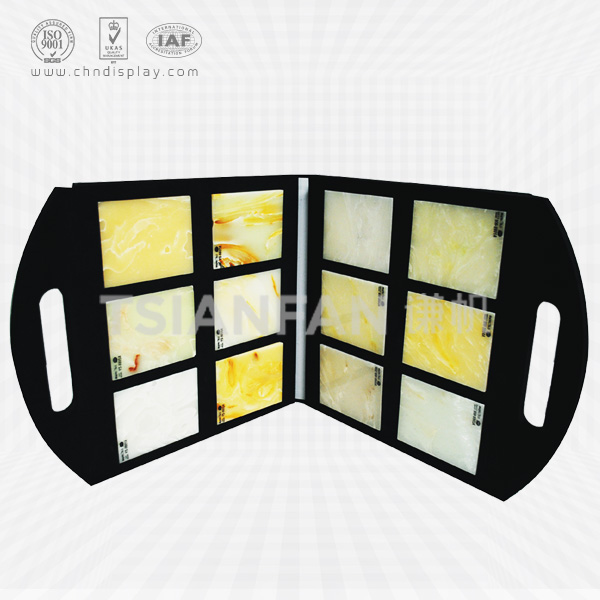
The 2002 was first prototyped for a Dubai-based stone importer who needed display racks that could survive in 45°C warehouse heat without the powder coat peeling. That prototype is still in service 4
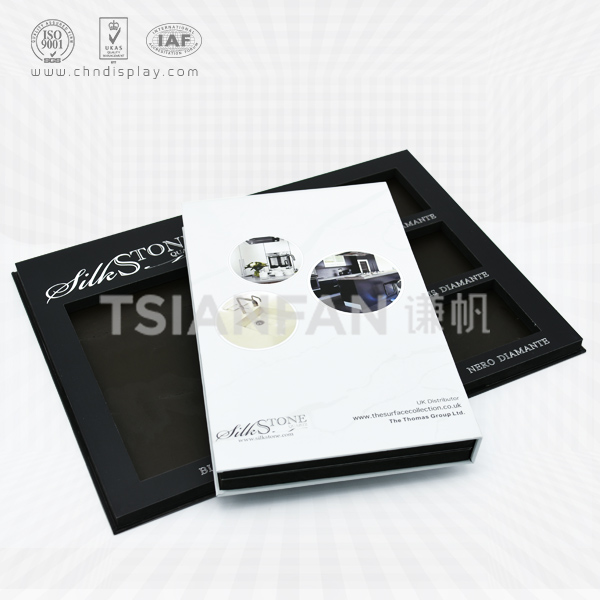
Stone showrooms face constant tension: display more products to sell more, but do not overcrowd the space. The 2001 uses a staggered front-to-back layout that shows every slab face from a single aisle
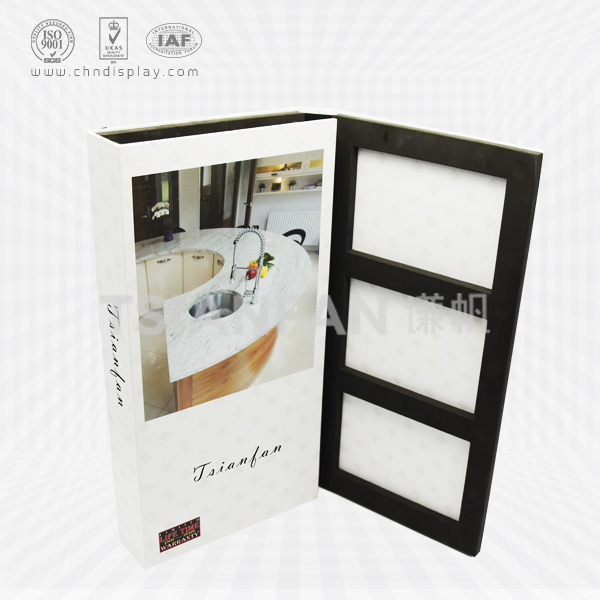
We manufacture the 2075 with frame tolerances borrowed from industrial pallet racking. Not because display stands belong in warehouses, but because wobbling is unacceptable when presenting a $3,000 ma
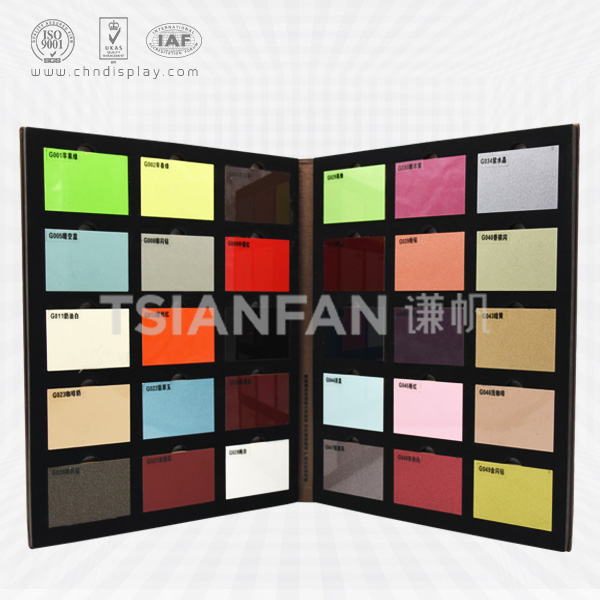
Natural stone slabs are heavy, irregular, and expensive to replace. The 2017 was engineered around those realities — load-tested to 120kg per slot with a safety factor of 2.5.
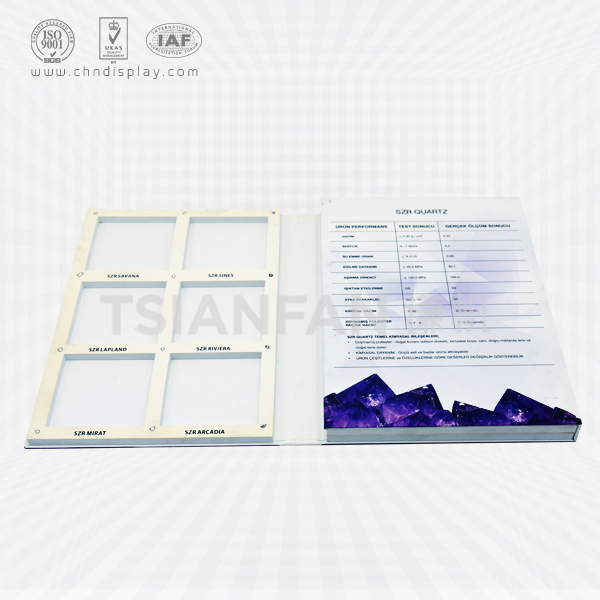
Natural stone slabs are heavy, irregular, and expensive to replace. The 2016 was engineered around those realities — load-tested to 120kg per slot with a safety factor of 2.5.
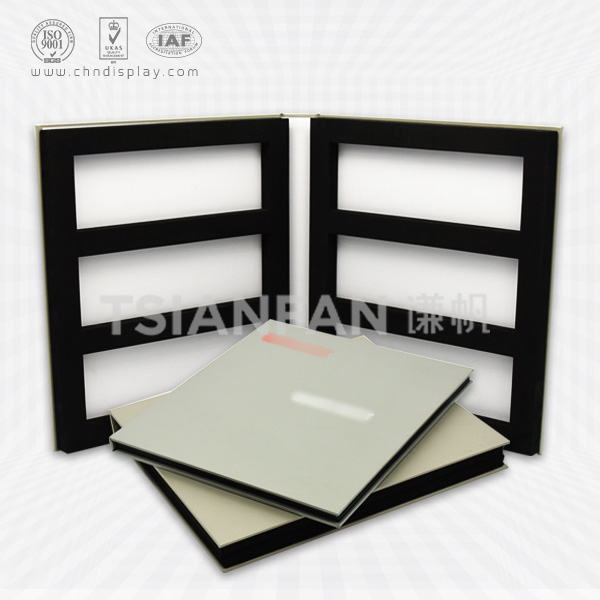
We manufacture the 2012 in the same facility where we build industrial storage systems, which is why the load ratings on our display racks are conservative rather than aspirational.
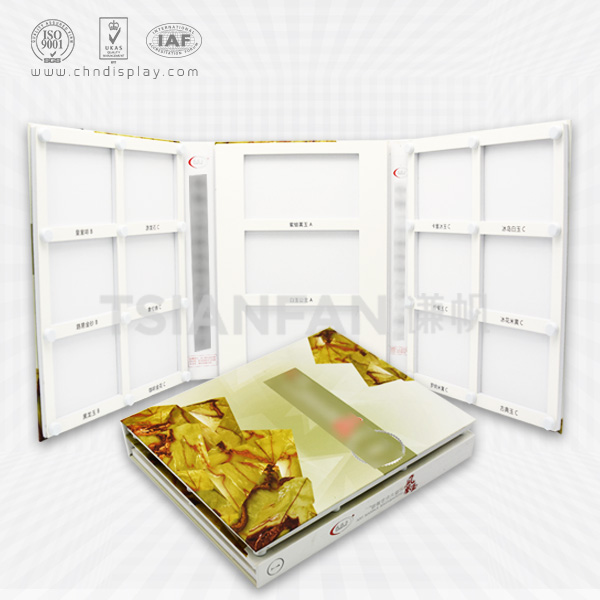
When an architect visits your showroom to specify stone for a project, they need to see full slabs on display. The 2011 presents each slab at a 7° tilt-back angle that keeps it stable without clamping
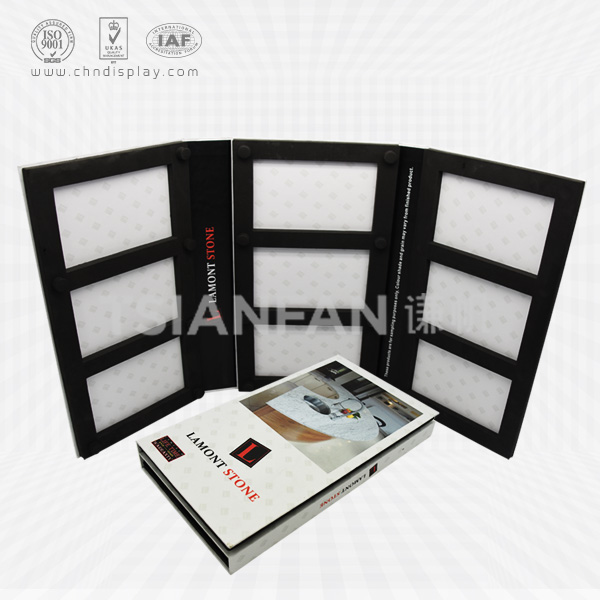
Natural stone slabs are heavy, irregular, and expensive to replace. The 2009 was engineered around those realities — load-tested to 120kg per slot with a safety factor of 2.5.
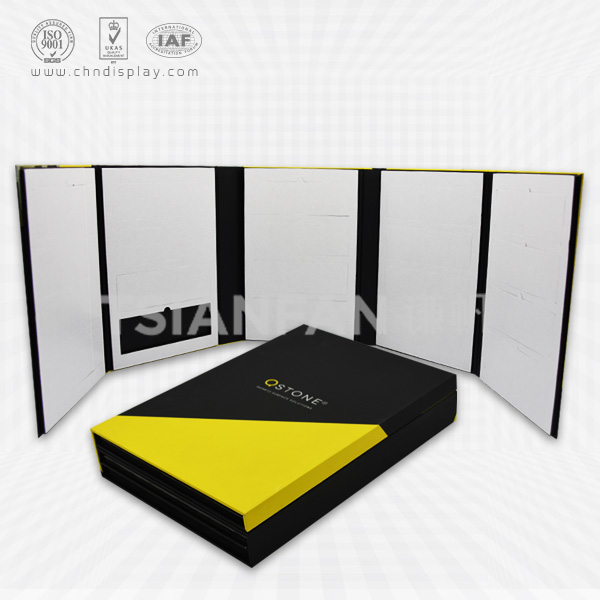
Marble showrooms need display fixtures that match the elegance of the stone. The 2008 matte black finish with clean geometric lines complements rather than competes with premium natural stone.

Engineered wood and laminate samples are lighter than solid hardwood, but they still need secure display. The 2007 tier spacing accommodates the full range of modern flooring thicknesses.
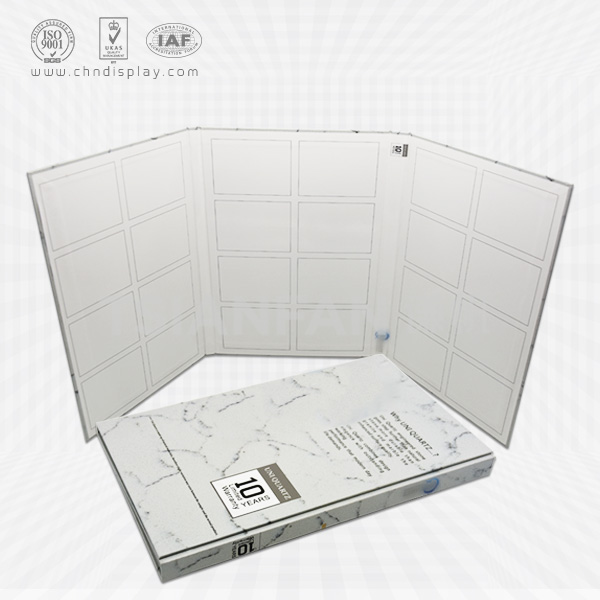
Quartz, granite, and marble each have different weight characteristics. The 2006 slot geometry was optimized for the average density range of natural and engineered stone, with extra reinforcement at
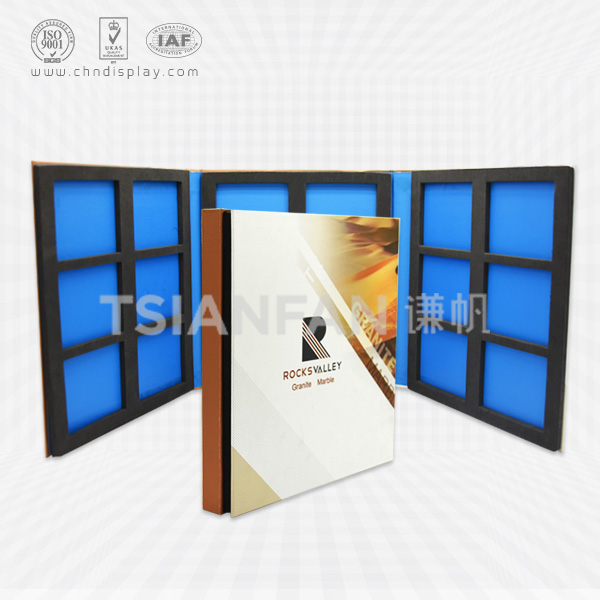
We manufacture the 2005 in the same facility where we build industrial storage systems, which is why the load ratings on our display racks are conservative rather than aspirational.