Showing 2301–2320 of 2776 resultsSorted by latest
-

Every CT2130 ships with a printed assembly guide that uses only pictures — no English required. We have shipped to 50+ countries and the feedback on our instructions has been universally positive.
-

We keep the CT2163 in stock across 3 standard widths and 5 slot configurations. Most orders ship within 7 business days because we build frames ahead of demand.
-

Unlike welded display fixtures that ship in bulky crates, the CT2215 packs flat to roughly 12% of its assembled volume. This cuts your freight cost and simplifies receiving.
-

Showroom layouts change, product lines rotate, and display fixtures need to keep up. The E2163 is designed for disassembly and reassembly — every connection is a bolt, not a weld, so you can reconfigu
-
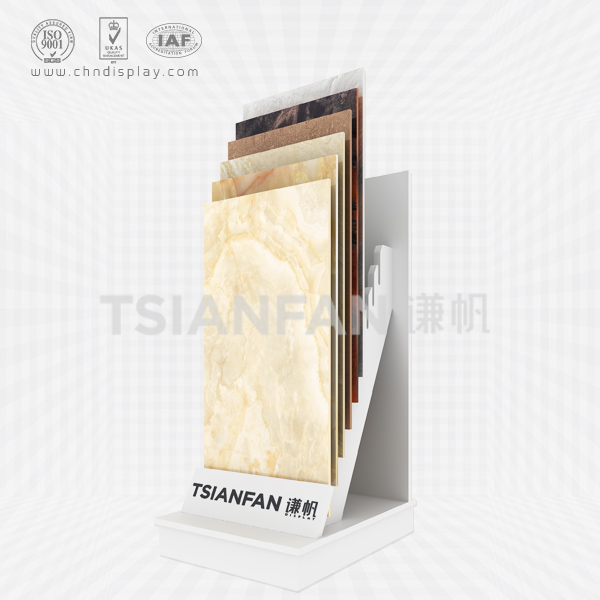
The E2136 was field-tested for 18 months in a high-traffic Dubai showroom before we released the design. Every improvement between prototype and production came from watching real customers interact w
-

We manufacture the E2073 in our Xiamen facility where we control every step from steel procurement to final assembly. No subcontractors, no quality gaps.
-

If your sales team spends more time fetching samples from the back than talking to customers, the E2116 puts your entire collection at their fingertips — literally within arm’s reach of the consultati
-
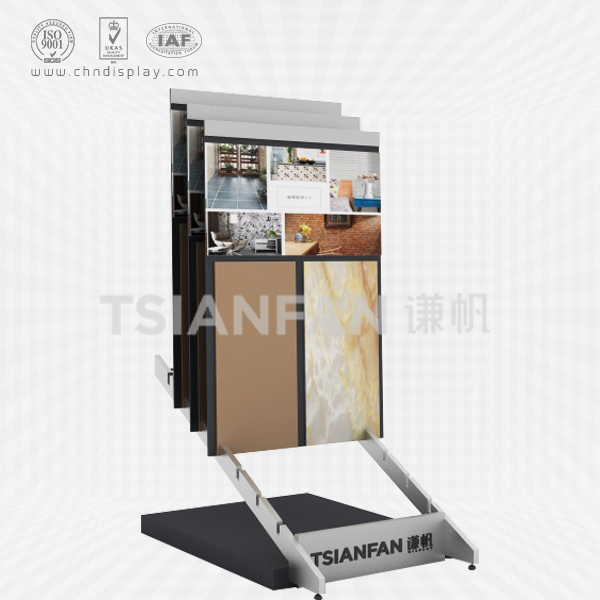
Every E2115 ships with a printed assembly guide that uses only pictures — no English required. We have shipped to 50+ countries and the feedback on our instructions has been universally positive.
-

Mosaic displays need to show pattern and color simultaneously — two things that require different viewing distances. The PZ2036 forward tilt lets customers see the full sheet from 2 meters and individ
-
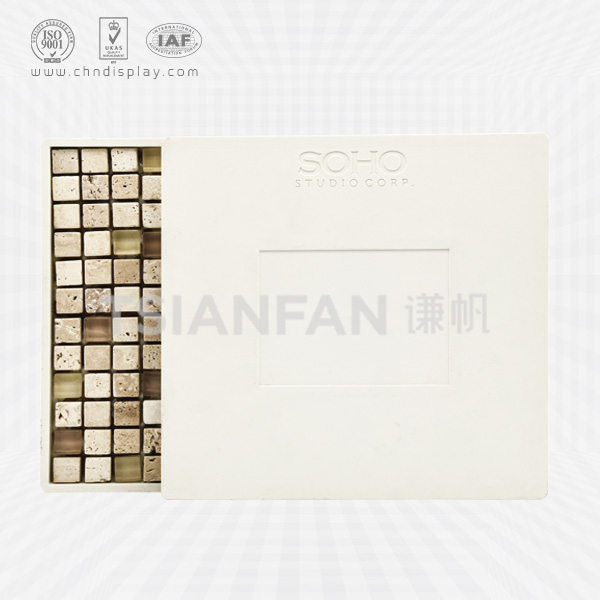
Natural stone varies in thickness from 10mm to 30mm, and your display rack must handle that range. The PZ2035 slots accept the full thickness spectrum without adapter plates or shims.
-
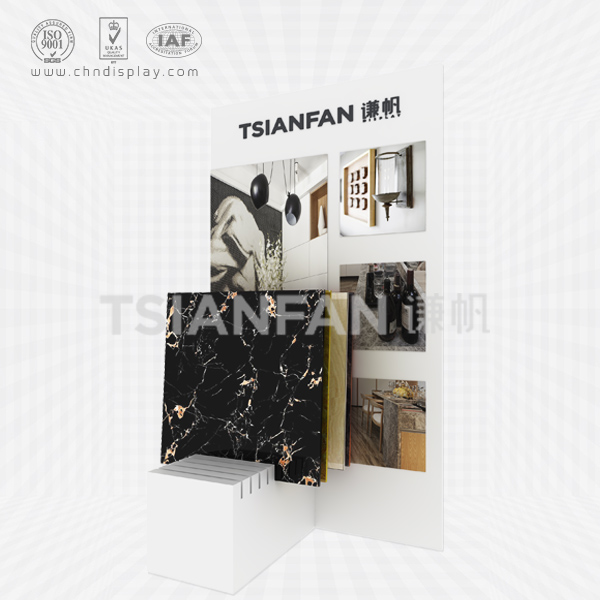
We designed the E2144 after visiting 30+ tile showrooms and noticing the same bottleneck: staff wasting time lifting heavy sample boards. This rack lets one person reorganize an entire display wall in
-

We pre-drill and tap every threaded insert on the E2133 before finishing, so the powder coat never fills the threads. Your assembly bolts go in clean every time.
-
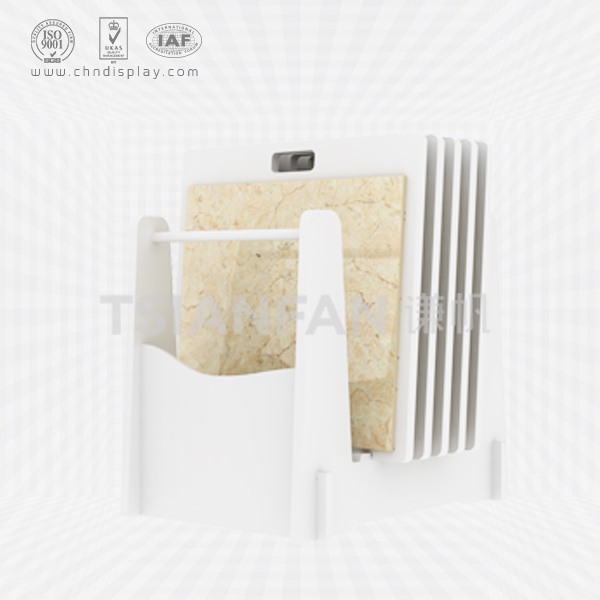
Showrooms in coastal cities face salt-air corrosion that eats standard powder coat in under a year. The E2132 undergoes a 72-hour salt spray test before it leaves our facility.
-
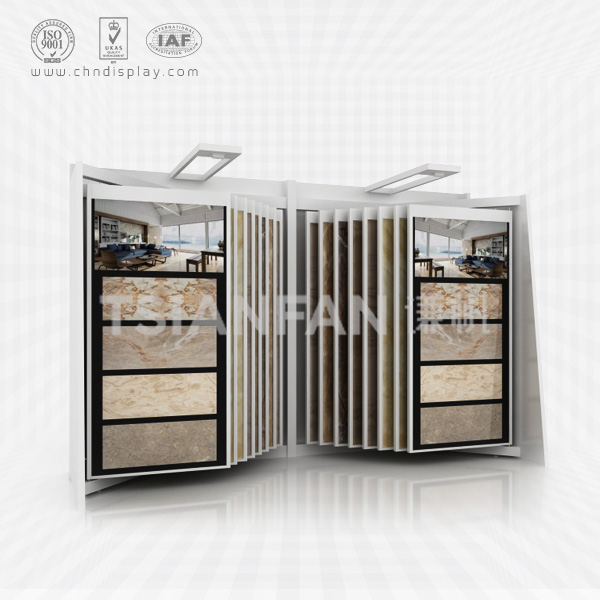
We keep the CF2006 in stock across 3 standard widths and 5 slot configurations. Most orders ship within 7 business days because we build frames ahead of demand.
-
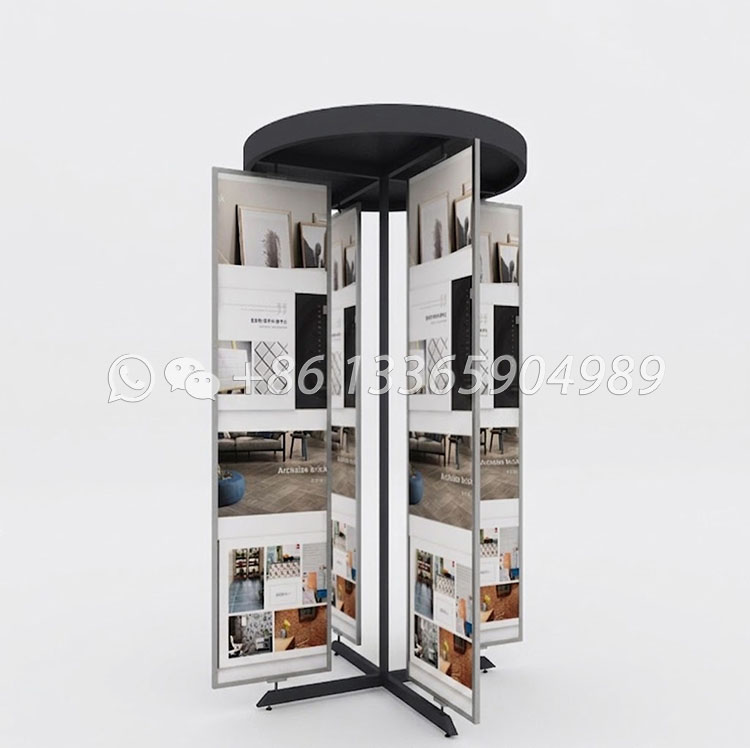
Showrooms in coastal cities face salt-air corrosion that eats standard powder coat in under a year. The CF2050 undergoes a 72-hour salt spray test before it leaves our facility.
-
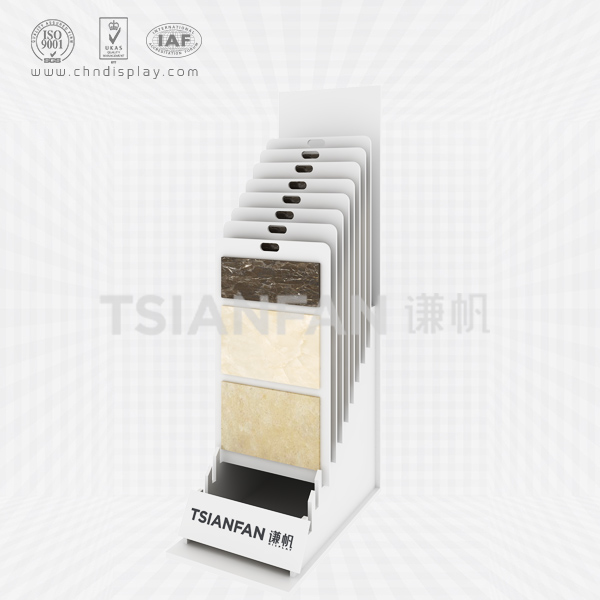
The E2146 frame is engineered with a center of gravity 40% below the midpoint. Even with all sample panels pulled out simultaneously, the rack stays planted.
-

Showroom managers love the E2137 because samples stay clean longer — the angled display means less dust settles on the tile faces, reducing daily cleaning time.
-

When your tile collection changes seasonally, your display system should keep up. The E2138 uses adjustable slot brackets that reposition without tools — lift, slide, lock.
-

Showroom managers love the E213 because samples stay clean longer — the angled display means less dust settles on the tile faces, reducing daily cleaning time.
-

The E2140 uprights are 45×45mm square tube with 2.5mm wall thickness. We publish the cross-section spec because we want you to compare it against anything else on the market.