Showing 161–180 of 2886 resultsSorted by latest
-
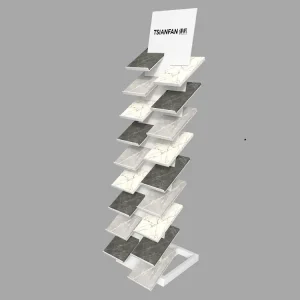
Window display requires transparency — the rack should be as invisible as possible. The DISPLAY uses minimalist clamping hardware and a dark matte finish that visually recedes behind glass and frame s
-

The SRT010 frame uses CNC-welded joints throughout — every structural connection is a continuous weld bead, not a bolt and washer. This doubles the load rating compared to bolt-together designs.
-
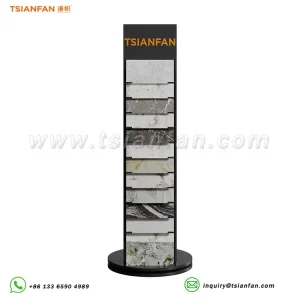
Natural stone varies in thickness from 10mm to 30mm, and your display rack must handle that range. The CZ015 slots accept the full thickness spectrum without adapter plates or shims.
-
Showroom managers love the DISPLAY because samples stay clean longer — the angled display means less dust settles on the tile faces, reducing daily cleaning time.
-
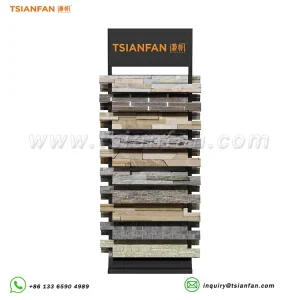
Door displays need to communicate weight, swing, and finish simultaneously — a difficult brief for static display fixtures. The SW114 presents doors at a slight open angle so customers see both face a
-
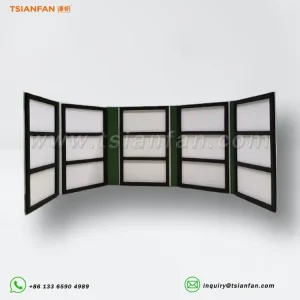
The CATALOGUE uprights are 45×45mm square tube with 2.5mm wall thickness. We publish the cross-section spec because we want you to compare it against anything else on the market.
-
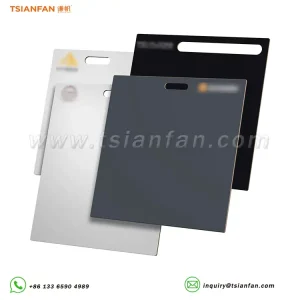
Multi-category building material distributors face a constant challenge: how to display diverse products without buying separate display systems for each. The BOARD solves that with modular, reconfigu
-
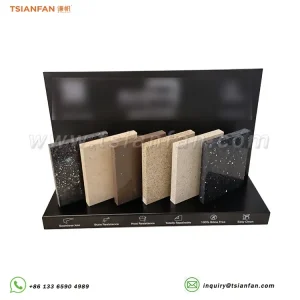
Natural stone slabs are heavy, irregular, and expensive to replace. The MODEL was engineered around those realities — load-tested to 120kg per slot with a safety factor of 2.5.
-
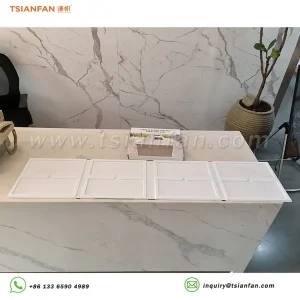
The FOLDING frame uses CNC-welded joints throughout — every structural connection is a continuous weld bead, not a bolt and washer. This doubles the load rating compared to bolt-together designs.
-
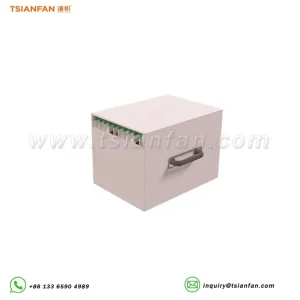
Stone showrooms face constant tension: display more products to sell more, but do not overcrowd the space. The BOX uses a staggered front-to-back layout that shows every slab face from a single aisle.
-
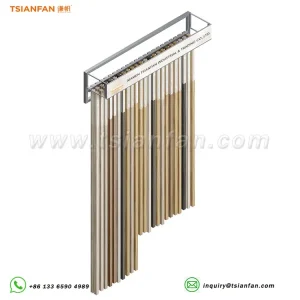
Door and window showrooms are high-traffic environments where display fixtures take daily abuse. The ZST004 frame uses reinforced pivot points and dampened swing stops rated for thousands of open-clos
-
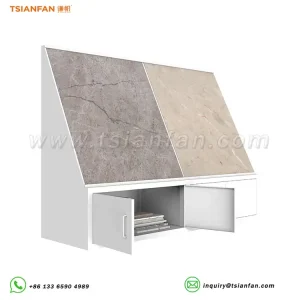
When an architect visits your showroom to specify stone for a project, they need to see full slabs on display. The SOLUTION presents each slab at a 7° tilt-back angle that keeps it stable without clam
-
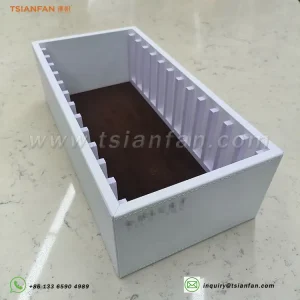
The TABLETOP contact pads are made from EPDM rubber — the same material used in permanent outdoor gaskets. They won’t degrade, stain, or transfer color to light-colored stone surfaces.
-
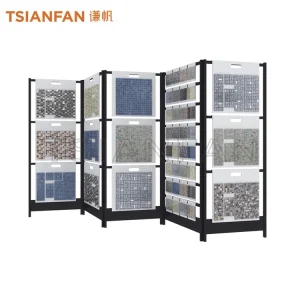
Glass mosaic has a completely different visual profile from stone mosaic, and your display rack must work for both. The MM2013 EVA foam backing in neutral grey won’t tint or discolor even the lightest
-
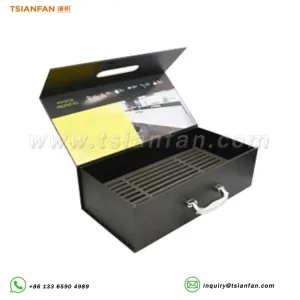
We engineered the BOXES center of gravity 40% below the frame midpoint after studying how customers interact with stone displays. They lean slabs forward to see the polished face, and the rack must no
-
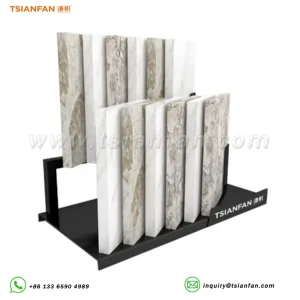
When an architect visits your showroom to specify stone for a project, they need to see full slabs on display. The SRT202 presents each slab at a 7° tilt-back angle that keeps it stable without clampi
-
The CATALOGUE contact pads are made from EPDM rubber — the same material used in permanent outdoor gaskets. They won’t degrade, stain, or transfer color to light-colored stone surfaces.
-
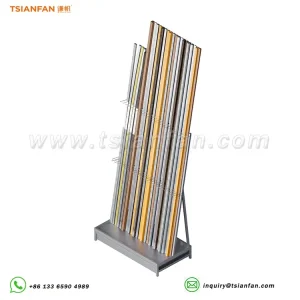
Natural stone slabs are heavy, irregular, and expensive to replace. The ZST006 was engineered around those realities — load-tested to 120kg per slot with a safety factor of 2.5.
-
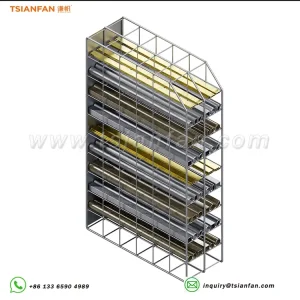
Stone showrooms face constant tension: display more products to sell more, but do not overcrowd the space. The ZST005 uses a staggered front-to-back layout that shows every slab face from a single ais
-
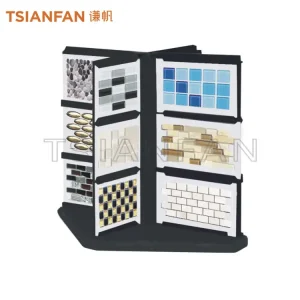
We manufacture the 71 with frame tolerances borrowed from industrial pallet racking. Not because display stands belong in warehouses, but because wobbling is unacceptable when presenting a $3,000 marb