Showing 61–80 of 2886 resultsSorted by latest
-
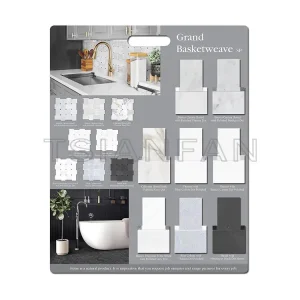
Tile samples look their best when customers can see the full face without bending or reaching. The 55 angles every panel slightly toward the viewer, reducing glare from overhead showroom lighting.
-
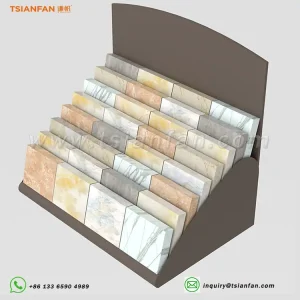
The 45 was first prototyped for a Dubai-based stone importer who needed display racks that could survive in 45°C warehouse heat without the powder coat peeling. That prototype is still in service 4 ye
-
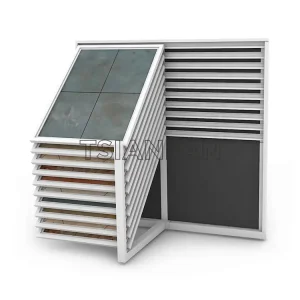
When your tile collection changes seasonally, your display system should keep up. The 43 uses adjustable slot brackets that reposition without tools — lift, slide, lock.
-
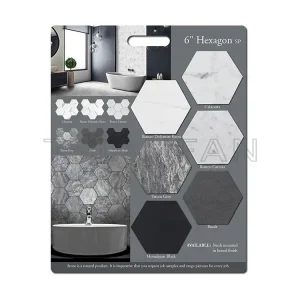
The biggest complaint we heard from distributors was display racks that developed a ‘lean’ after 6 months. The 54 has gusseted corner plates and cross-braced rear panels that eliminate frame racking.
-
Showrooms in coastal cities face salt-air corrosion that eats standard powder coat in under a year. The 55 undergoes a 72-hour salt spray test before it leaves our facility.
-
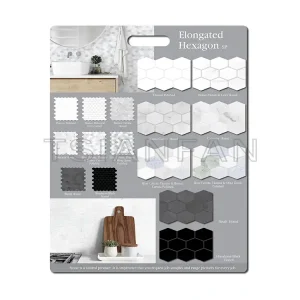
Tile samples look their best when customers can see the full face without bending or reaching. The 56 angles every panel slightly toward the viewer, reducing glare from overhead showroom lighting.
-
When your tile collection changes seasonally, your display system should keep up. The 54 uses adjustable slot brackets that reposition without tools — lift, slide, lock.
-
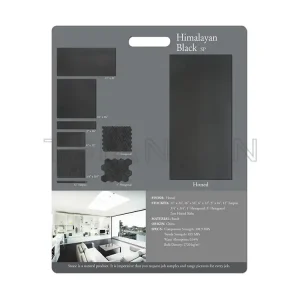
Natural stone slabs are heavy, irregular, and expensive to replace. The 53 was engineered around those realities — load-tested to 120kg per slot with a safety factor of 2.5.
-
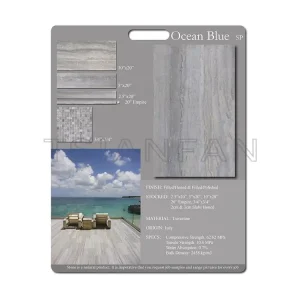
Stone importers tell us their biggest display headache is racks that develop a permanent lean toward the front. The 51 has full-frame gusset plates at all four corners specifically to prevent this.
-
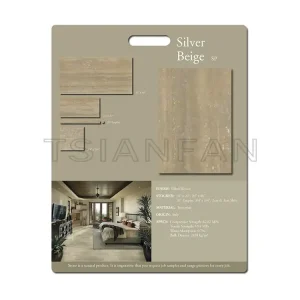
Unlike welded display fixtures that ship in bulky crates, the 50 packs flat to roughly 12% of its assembled volume. This cuts your freight cost and simplifies receiving.
-
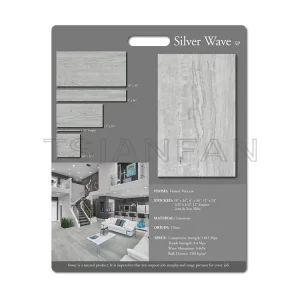
Stone importers tell us their biggest display headache is racks that develop a permanent lean toward the front. The 48 has full-frame gusset plates at all four corners specifically to prevent this.
-
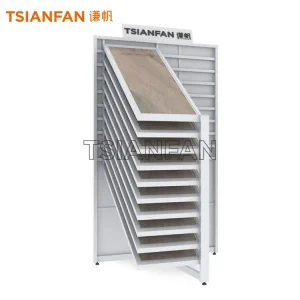
Tile retailers tell us their customers make faster decisions when they can compare 6-8 slabs side by side. The CX2006 enables that comparison shopping experience without requiring a warehouse-sized sh
-
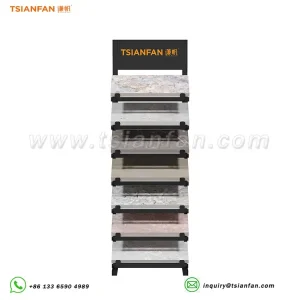
The 30 frame uses CNC-welded joints throughout — every structural connection is a continuous weld bead, not a bolt and washer. This doubles the load rating compared to bolt-together designs.
-
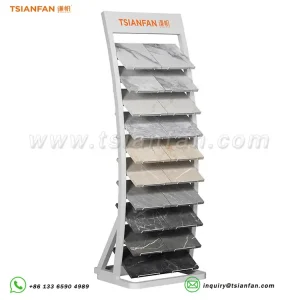
Designers and architects are the primary mosaic customer, and they make decisions based on subtle color differences. The 1 positions samples at eye height with uniform lighting exposure.
-
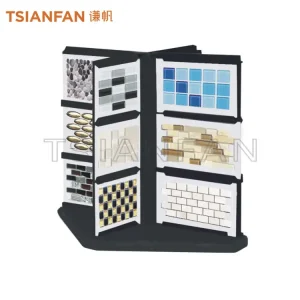
The biggest complaint we heard from distributors was display racks that developed a ‘lean’ after 6 months. The 71 has gusseted corner plates and cross-braced rear panels that eliminate frame racking.
-
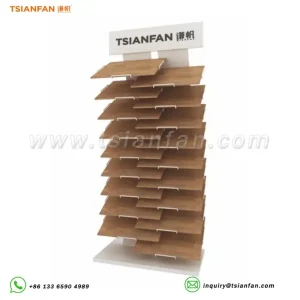
The WL607 is one of our most popular platforms because it solves the #1 flooring showroom problem: how to show 30 SKUs without making the space feel like a lumber yard.
-
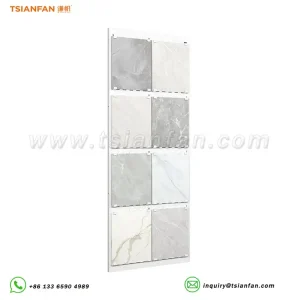
We engineered the SG022 center of gravity 40% below the frame midpoint after studying how customers interact with stone displays. They lean slabs forward to see the polished face, and the rack must no
-
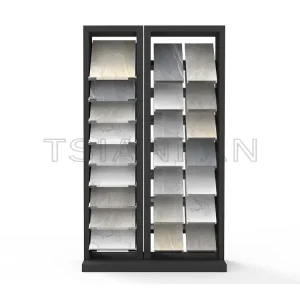
Humidity in stone warehouses can be extreme. The SG806 powder coat is applied at 90-110μm thickness — more than triple the industry minimum — with a zinc phosphate undercoat for corrosion resistance.
-
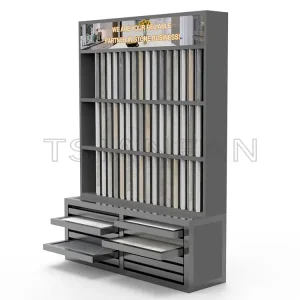
Marble showrooms need display fixtures that match the elegance of the stone. The SG004 matte black finish with clean geometric lines complements rather than competes with premium natural stone.
-
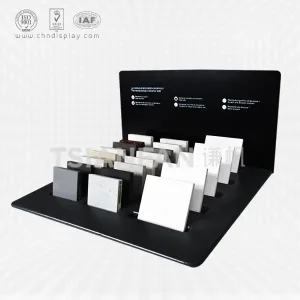
Natural stone slabs are heavy, irregular, and expensive to replace. The STAND was engineered around those realities — load-tested to 120kg per slot with a safety factor of 2.5.