Showing 81–100 of 127 resultsSorted by latest
-
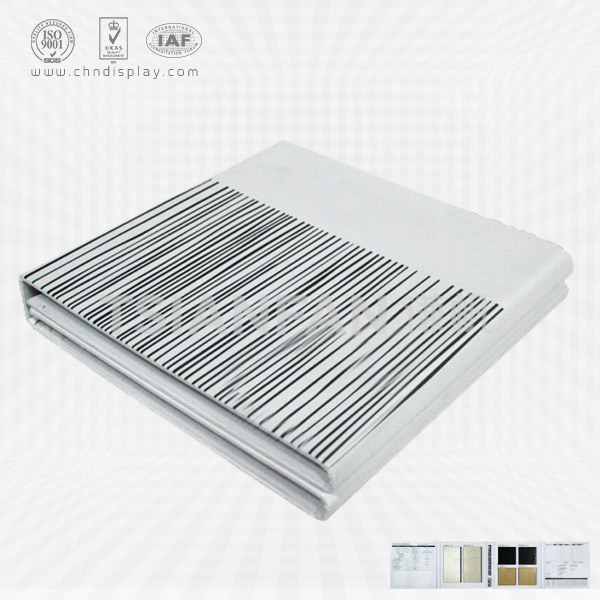
When an architect visits your showroom to specify stone for a project, they need to see full slabs on display. The 2035 presents each slab at a 7° tilt-back angle that keeps it stable without clamping
-
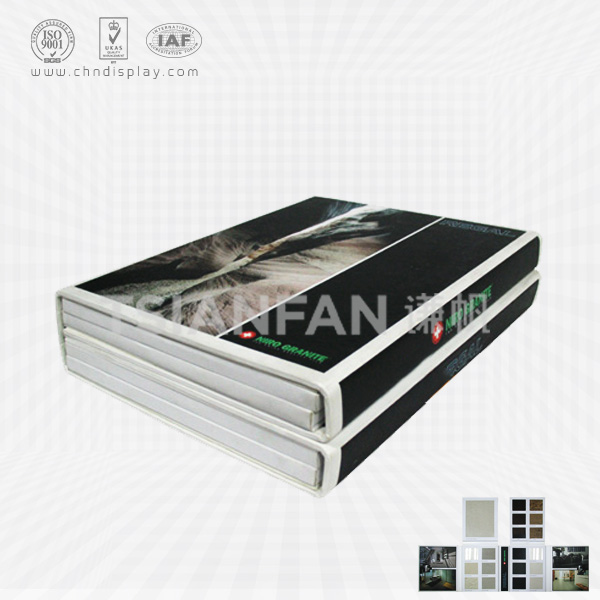
Natural stone varies in thickness from 10mm to 30mm, and your display rack must handle that range. The 2033 slots accept the full thickness spectrum without adapter plates or shims.
-
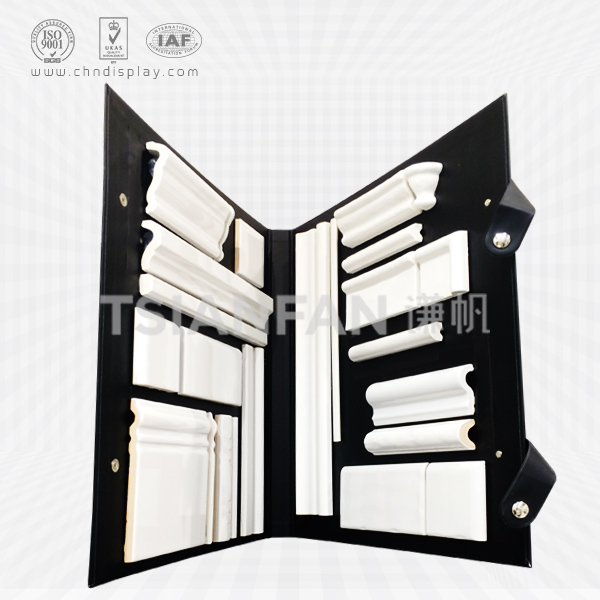
Stone importers tell us their biggest display headache is racks that develop a permanent lean toward the front. The 2060 has full-frame gusset plates at all four corners specifically to prevent this.
-
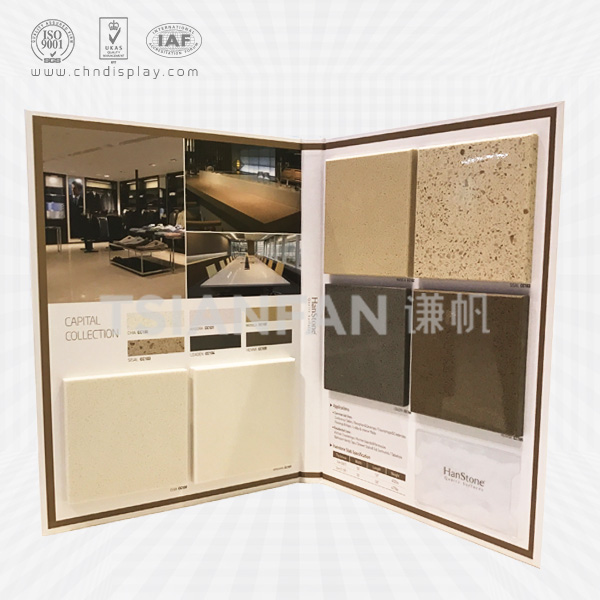
We engineered the 2058 center of gravity 40% below the frame midpoint after studying how customers interact with stone displays. They lean slabs forward to see the polished face, and the rack must not
-
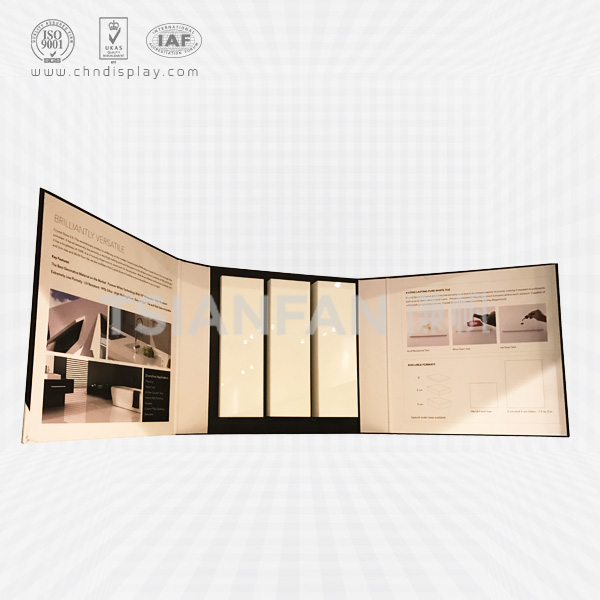
Natural stone slabs are heavy, irregular, and expensive to replace. The 2057 was engineered around those realities — load-tested to 120kg per slot with a safety factor of 2.5.
-
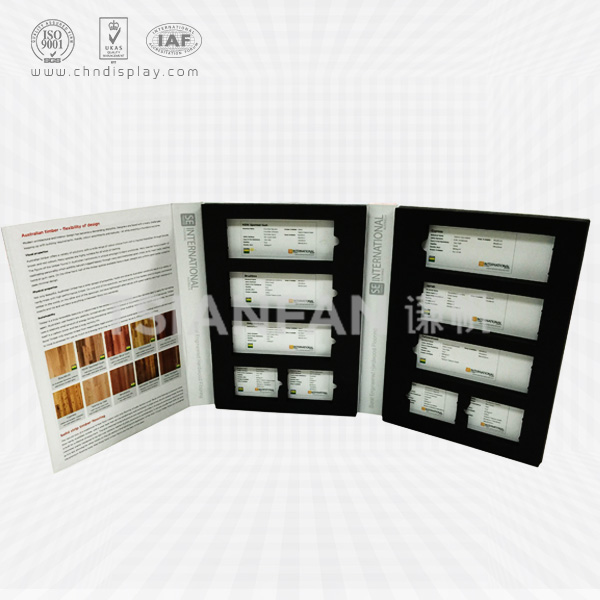
The 2056 frame uses CNC-welded joints throughout — every structural connection is a continuous weld bead, not a bolt and washer. This doubles the load rating compared to bolt-together designs.
-
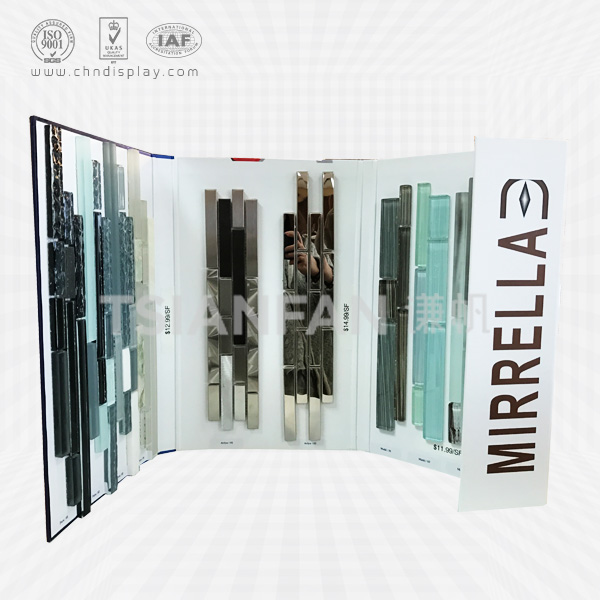
When a designer is specifying mosaic for a hotel lobby or spa, they need to see how colors read under showroom lighting. The 2055 angled presentation minimizes glare while keeping every sheet clearly
-
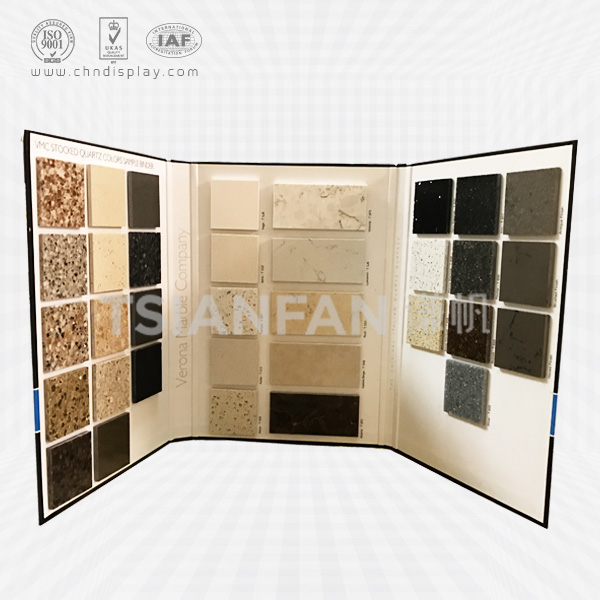
Quartz, granite, and marble each have different weight characteristics. The 2054 slot geometry was optimized for the average density range of natural and engineered stone, with extra reinforcement at
-
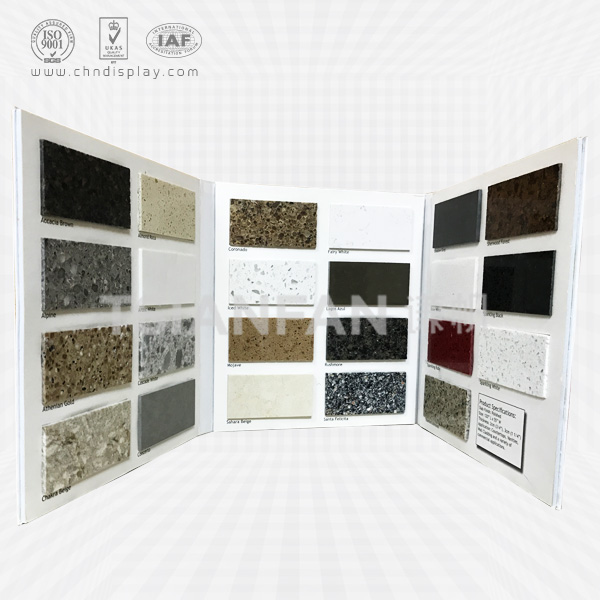
Quartz, granite, and marble each have different weight characteristics. The 2053 slot geometry was optimized for the average density range of natural and engineered stone, with extra reinforcement at
-
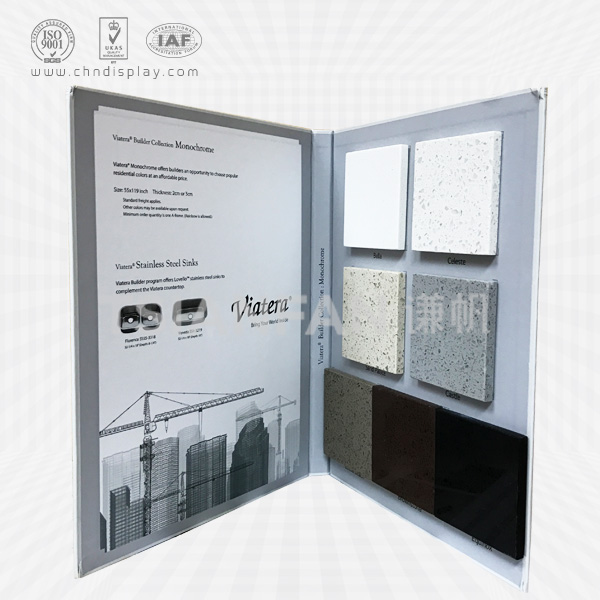
Natural stone slabs are heavy, irregular, and expensive to replace. The 2052 was engineered around those realities — load-tested to 120kg per slot with a safety factor of 2.5.
-
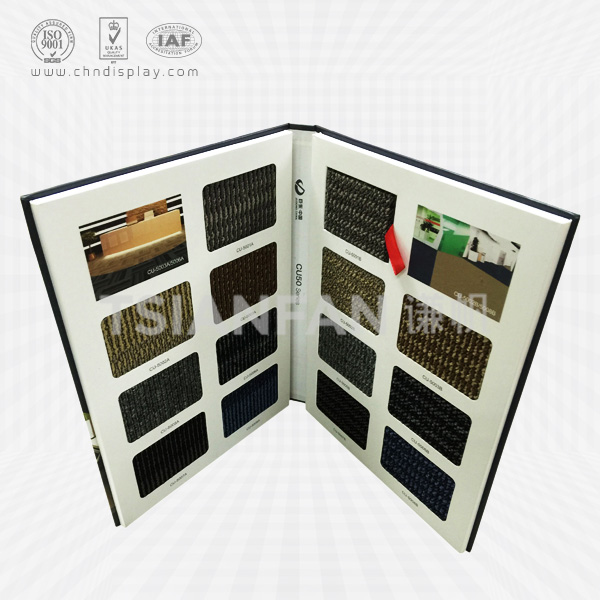
Carpet sample books and loose swatches create visual clutter quickly. The 2051 organizes everything into defined slots with clear labeling space above each sample position.
-
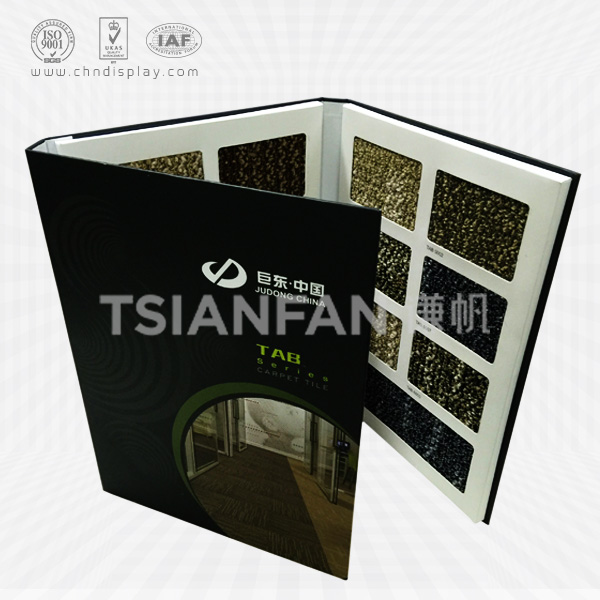
Homeowners shopping for carpet want to see large samples — not tiny swatches. The 2049 accepts full-width carpet rolls up to 60cm, giving customers a realistic view of pattern and texture.
-
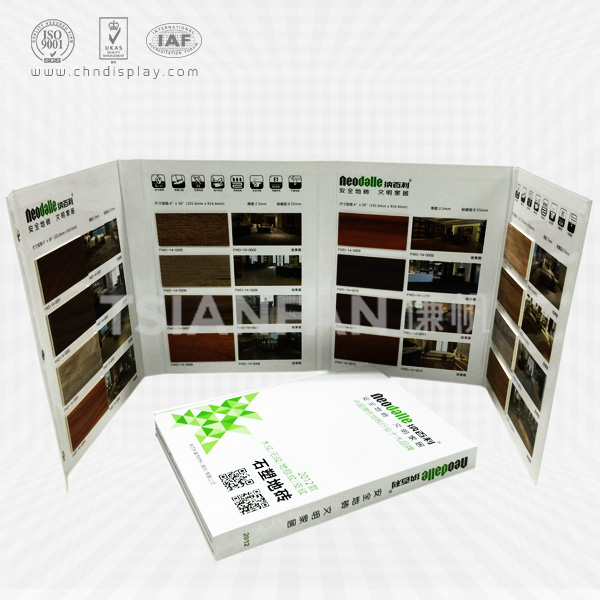
Floor space in a retail showroom runs $20-50 per square foot. The 2048 holds up to 18 full-size tile samples in roughly 4 square feet — less than a standard pallet.
-
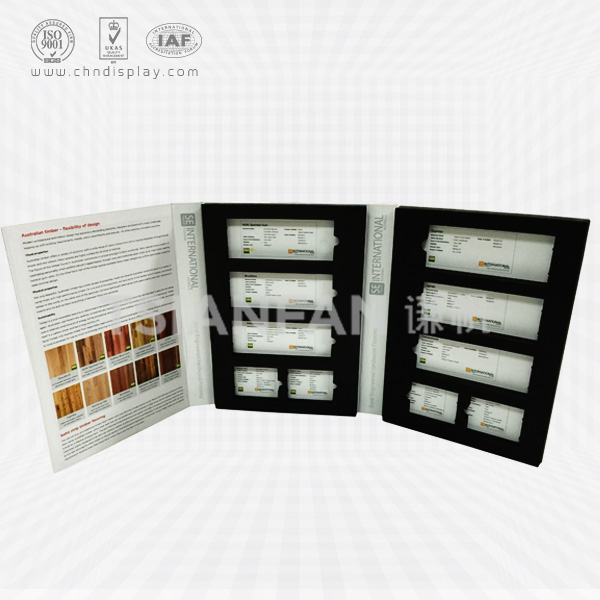
The difference between a good sample presentation and a great one is how the pages turn. The 2046 uses a ring mechanism rated for 50,000 open-close cycles — years of daily client meetings without a lo
-
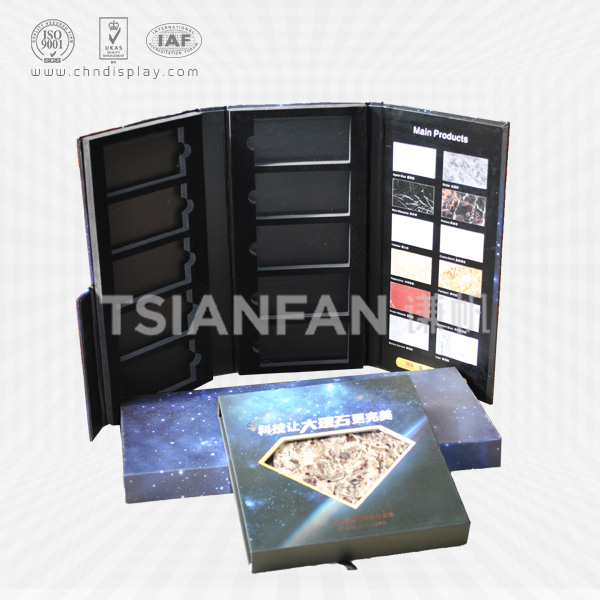
We manufacture the 2078 with frame tolerances borrowed from industrial pallet racking. Not because display stands belong in warehouses, but because wobbling is unacceptable when presenting a $3,000 ma
-
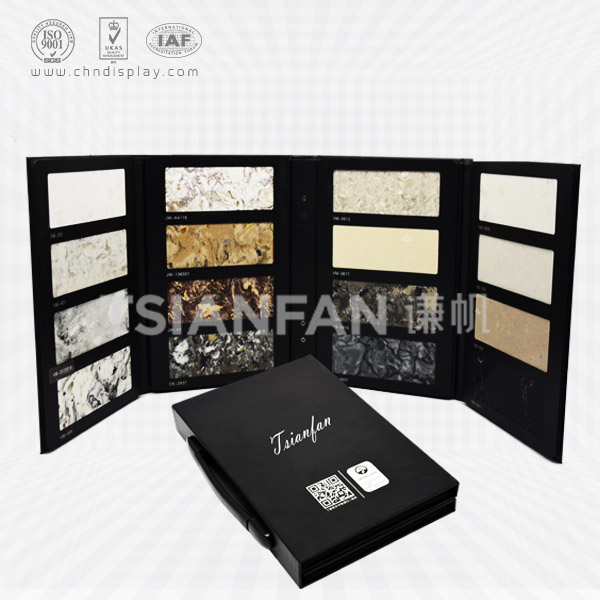
The 2073 frame uses CNC-welded joints throughout — every structural connection is a continuous weld bead, not a bolt and washer. This doubles the load rating compared to bolt-together designs.
-
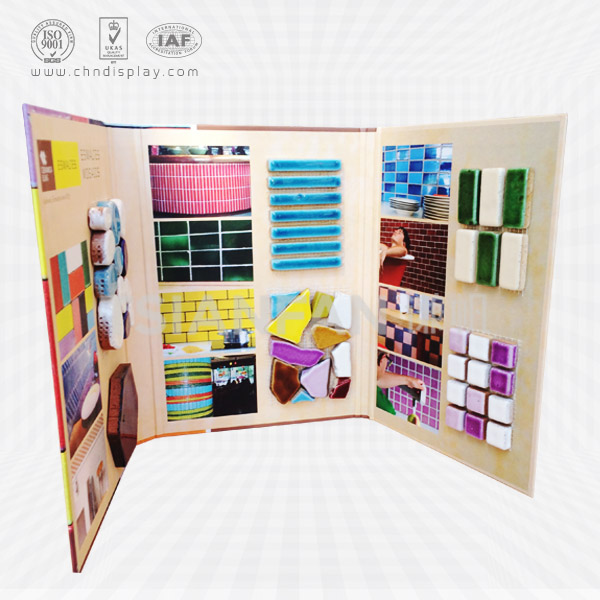
The 2071 individual slot access design means you can change one mosaic sheet in seconds without touching adjacent samples. Seasonal collection updates become a 5-minute task instead of a major reorgan
-
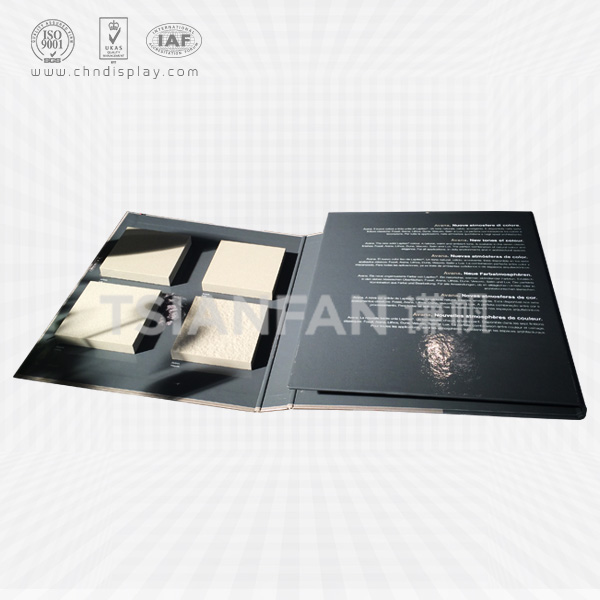
Natural stone varies in thickness from 10mm to 30mm, and your display rack must handle that range. The 2070 slots accept the full thickness spectrum without adapter plates or shims.
-
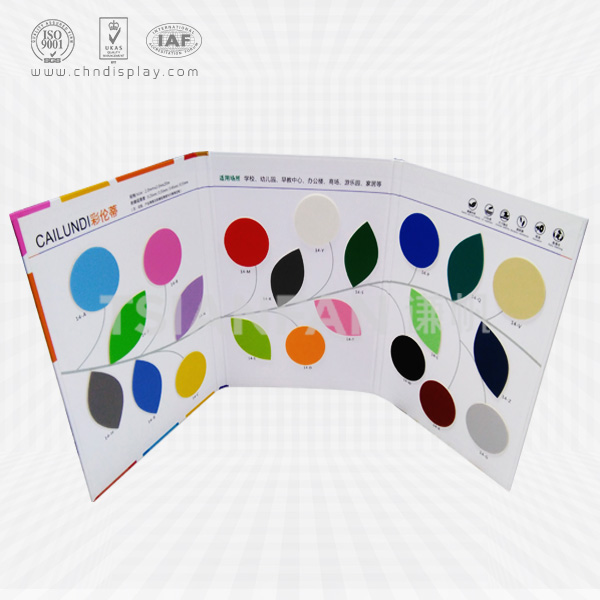
Quartz, granite, and marble each have different weight characteristics. The 2069 slot geometry was optimized for the average density range of natural and engineered stone, with extra reinforcement at
-
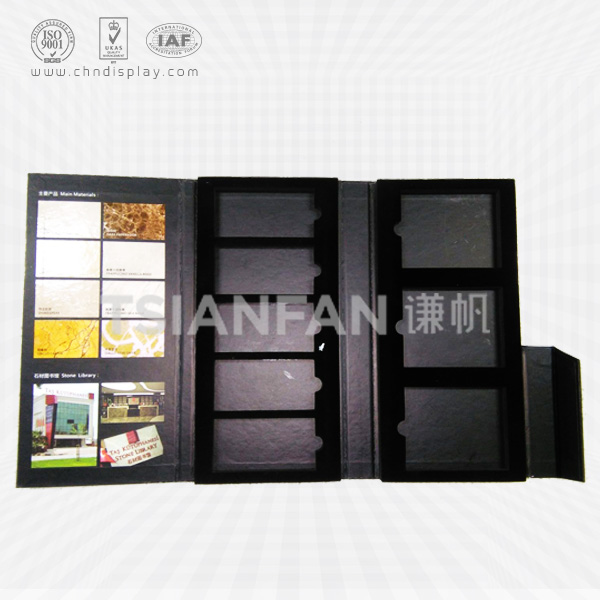
Stone showrooms face constant tension: display more products to sell more, but do not overcrowd the space. The 2068 uses a staggered front-to-back layout that shows every slab face from a single aisle