Showing 81–100 of 257 resultsSorted by latest
-

Humidity in stone warehouses can be extreme. The PY2018 powder coat is applied at 90-110μm thickness — more than triple the industry minimum — with a zinc phosphate undercoat for corrosion resistance.
-
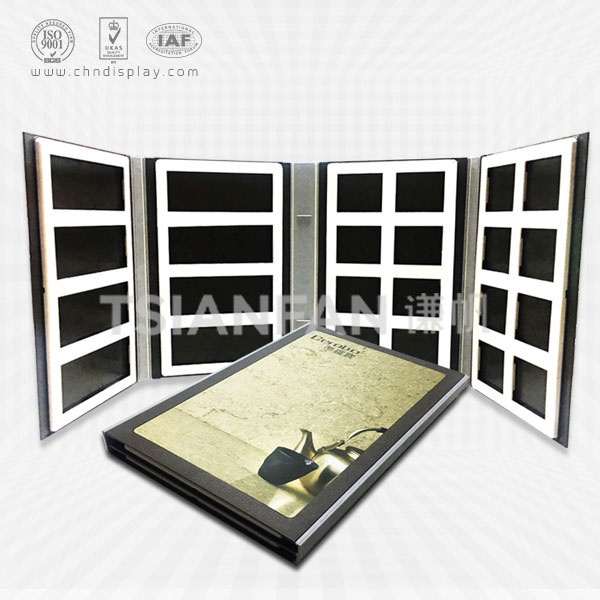
The PY2014 contact pads are made from EPDM rubber — the same material used in permanent outdoor gaskets. They won’t degrade, stain, or transfer color to light-colored stone surfaces.
-
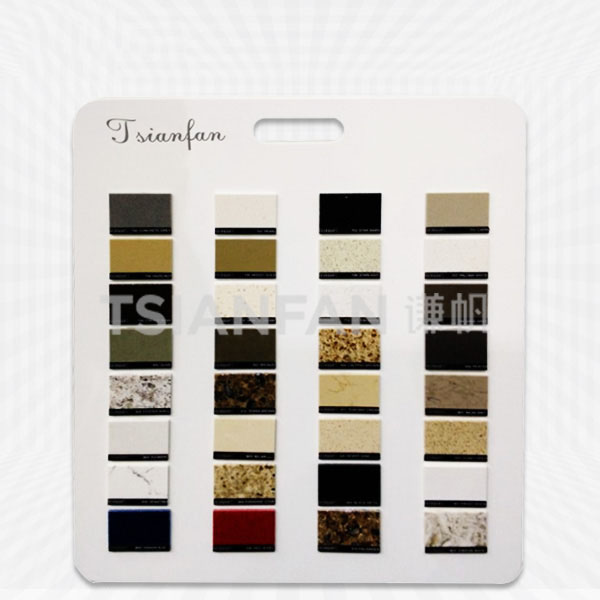
Every PS2024 ships with a printed assembly guide that uses only pictures — no English required. We have shipped to 50+ countries and the feedback on our instructions has been universally positive.
-
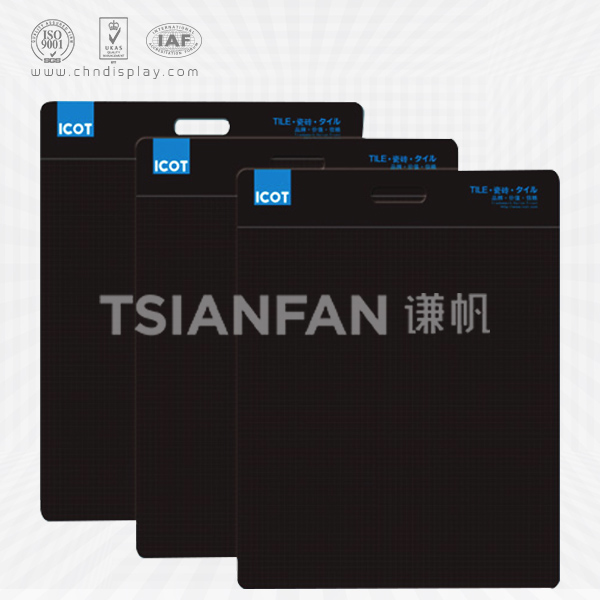
The PS2008 contact pads are made from EPDM rubber — the same material used in permanent outdoor gaskets. They won’t degrade, stain, or transfer color to light-colored stone surfaces.
-
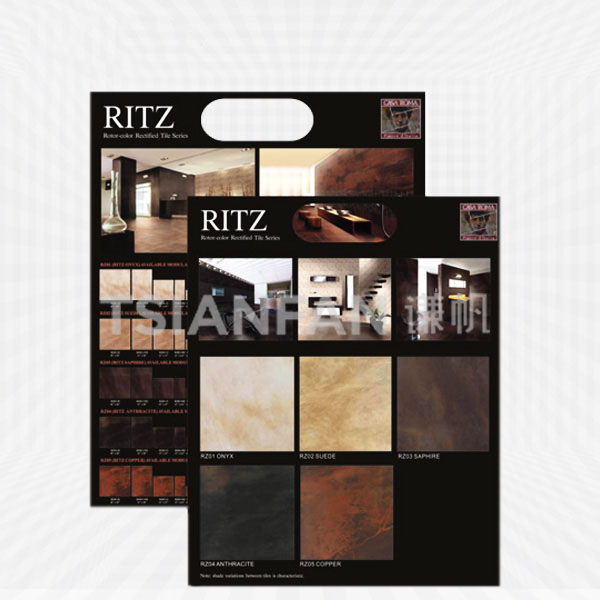
Stone importers tell us their biggest display headache is racks that develop a permanent lean toward the front. The PS2007 has full-frame gusset plates at all four corners specifically to prevent this
-
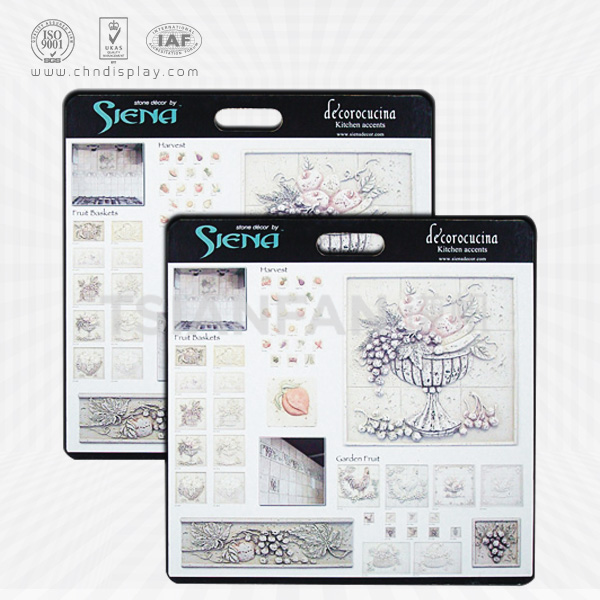
Floor space in a retail showroom runs $20-50 per square foot. The PS2006 holds up to 18 full-size tile samples in roughly 4 square feet — less than a standard pallet.
-
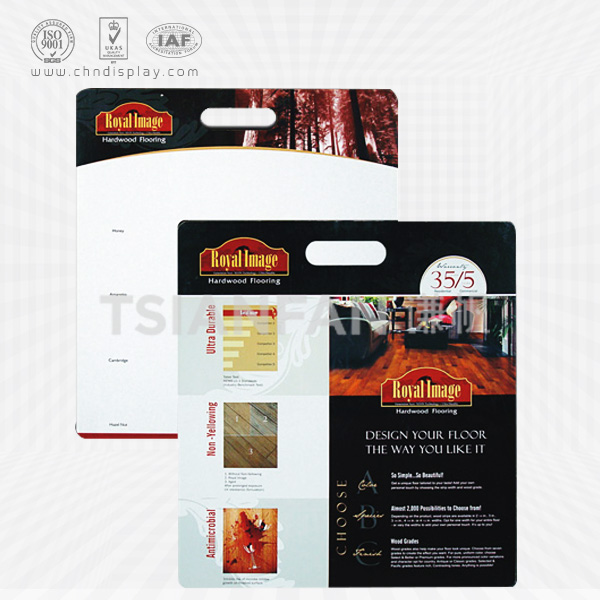
Flooring showrooms have a unique display challenge: planks look completely different horizontal versus vertical. The PS2005 presents samples at a 12° angle — close enough to flat for accurate color pe
-
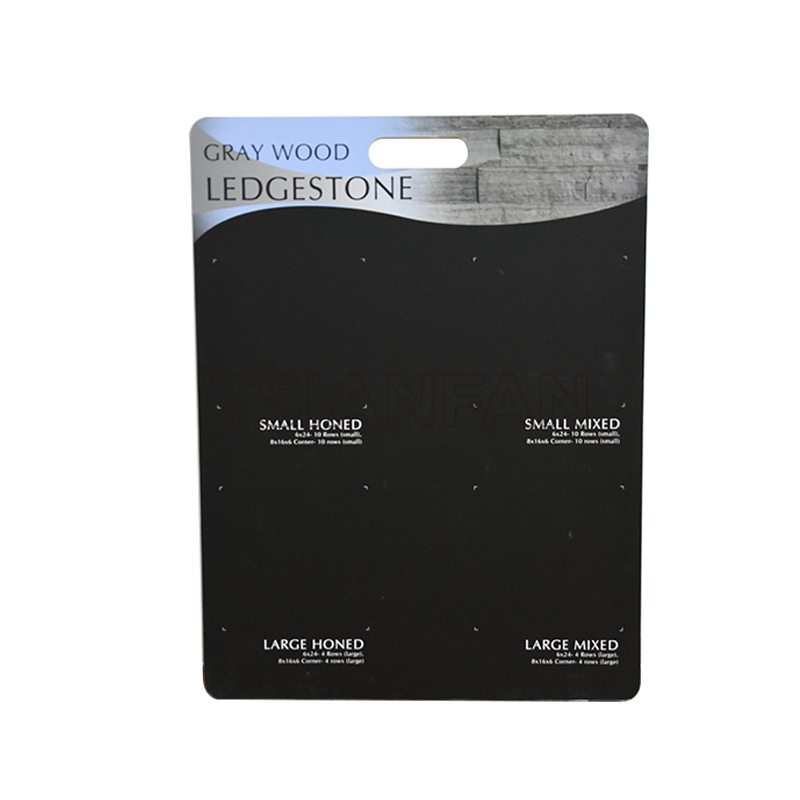
The PS2004 uprights are 45×45mm square tube with 2.5mm wall thickness. We publish the cross-section spec because we want you to compare it against anything else on the market.
-
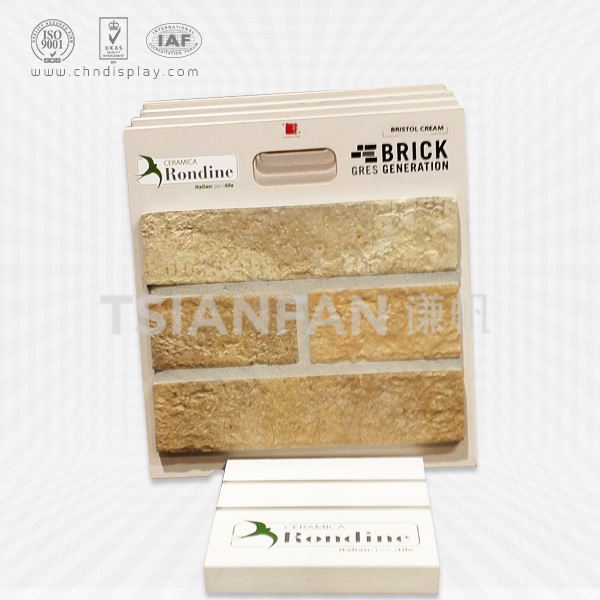
Showroom managers love the PS2048 because samples stay clean longer — the angled display means less dust settles on the tile faces, reducing daily cleaning time.
-
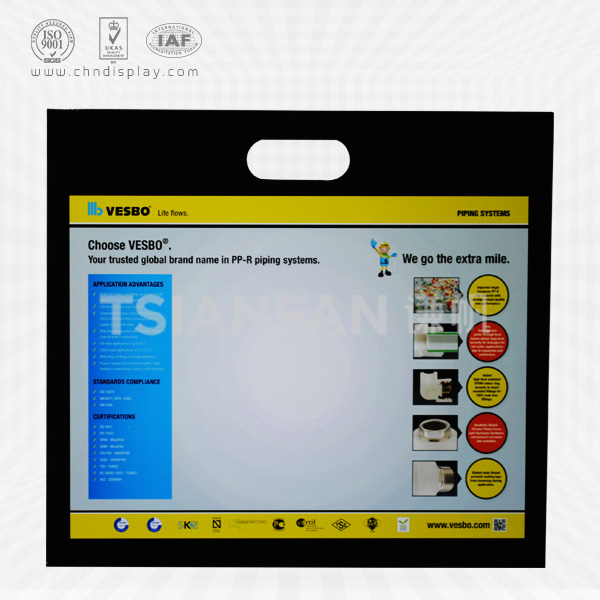
We build the PS2049 from cold-rolled steel with the same cross-section specifications used in structural scaffolding. It is over-engineered for display, which means it handles years of reconfiguration
-
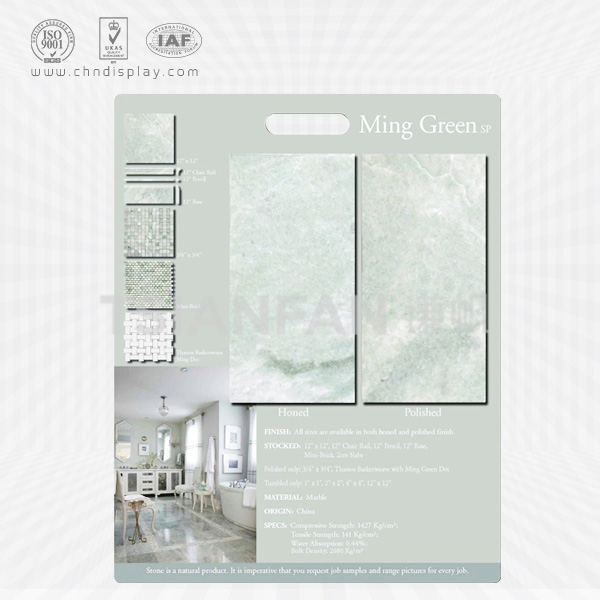
Stone showrooms face constant tension: display more products to sell more, but do not overcrowd the space. The PS2025 uses a staggered front-to-back layout that shows every slab face from a single ais
-
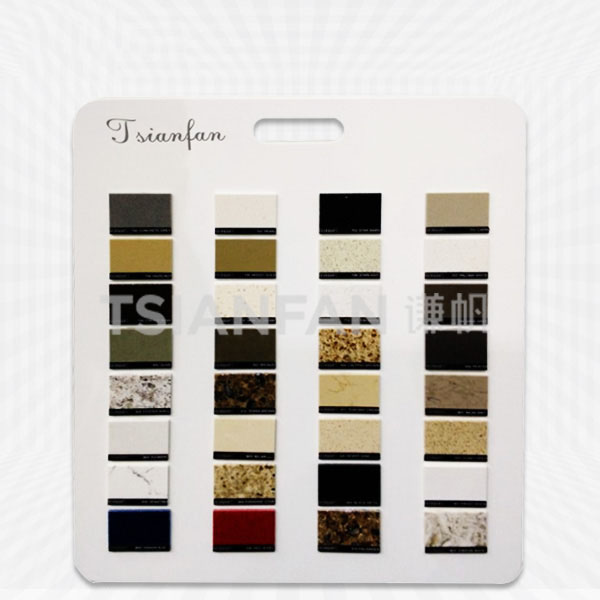
The PS2024 was first prototyped for a Dubai-based stone importer who needed display racks that could survive in 45°C warehouse heat without the powder coat peeling. That prototype is still in service
-
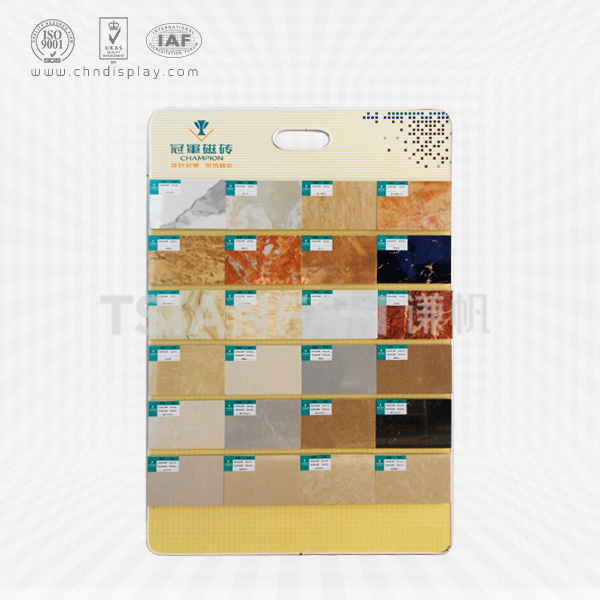
Natural stone varies in thickness from 10mm to 30mm, and your display rack must handle that range. The PS2023 slots accept the full thickness spectrum without adapter plates or shims.
-
The PS2019 is built for showrooms that handle large-format porcelain slabs daily. Its frame geometry distributes weight evenly across the rail system so panels glide without binding, even when loaded
-
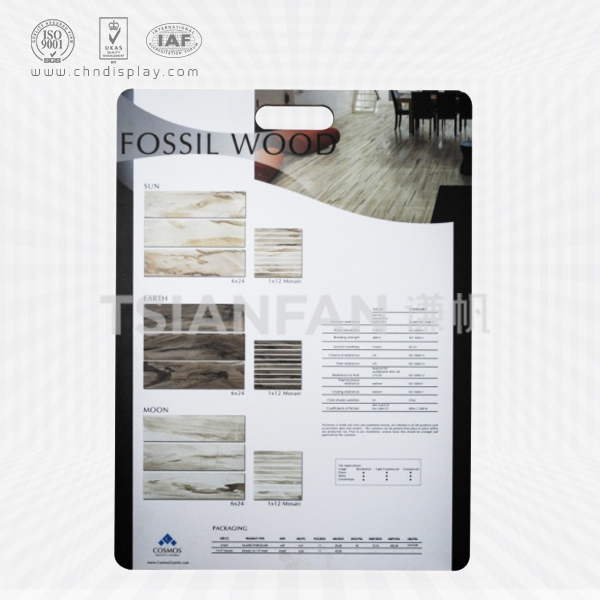
Stone importers tell us their biggest display headache is racks that develop a permanent lean toward the front. The PS2017 has full-frame gusset plates at all four corners specifically to prevent this
-
The PS2016 locking casters are TK-200 series — the same specification used in hospital equipment. Silent rolling, full-lock at pedal press, and rated for years of daily repositioning across hard floor
-
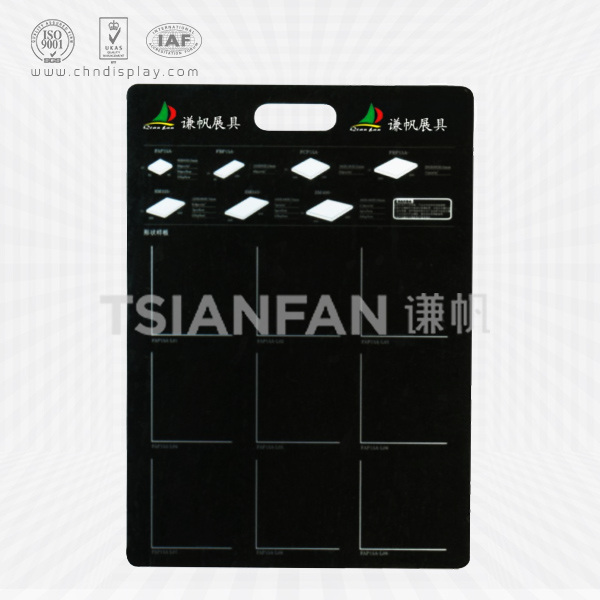
When your tile collection changes seasonally, your display system should keep up. The PS2015 uses adjustable slot brackets that reposition without tools — lift, slide, lock.
-
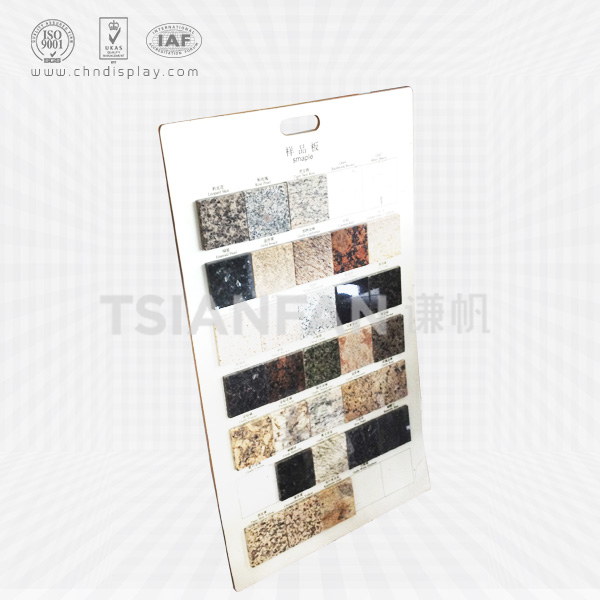
The PS2014 uprights are 45×45mm square tube with 2.5mm wall thickness. We publish the cross-section spec because we want you to compare it against anything else on the market.
-
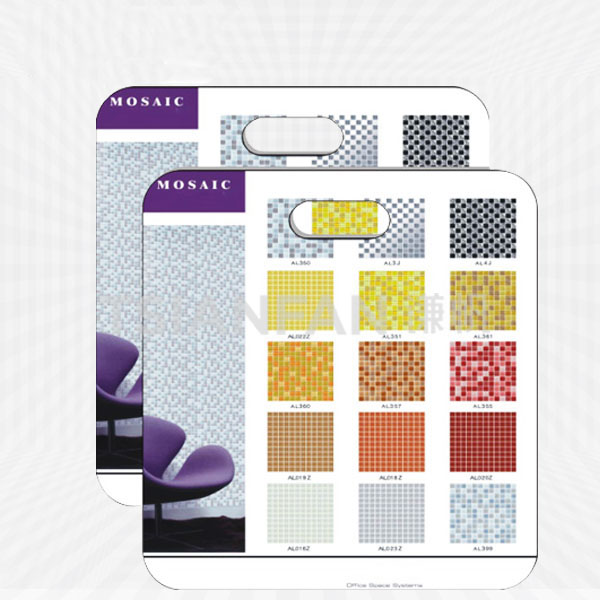
Aluminum construction makes the PS2013 roughly 60% lighter than equivalent steel display stands. Trade show teams can move and set up an entire mosaic display wall with two people.
-
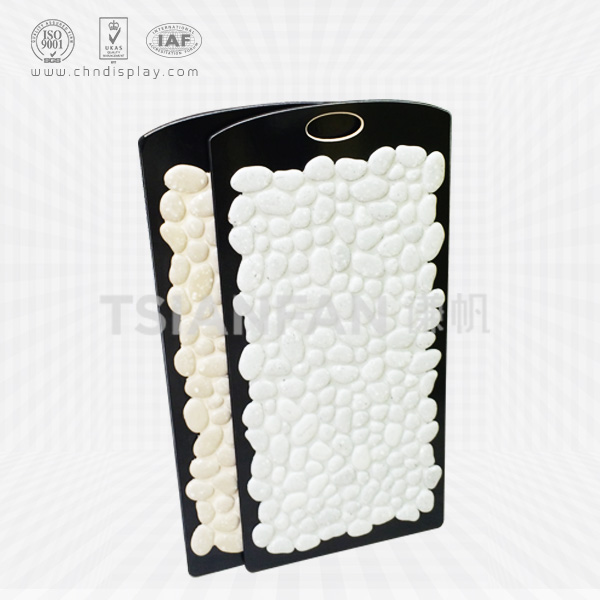
Natural stone slabs are heavy, irregular, and expensive to replace. The PS2042 was engineered around those realities — load-tested to 120kg per slot with a safety factor of 2.5.