
marble sample rack, mdf material-sg2020
We engineered the SG2020 center of gravity 40% below the frame midpoint after studying how customers interact with stone displays. They lean slabs forward to see the polished face, and the rack must n
Showing 141–158 of 158 resultsSorted by latest
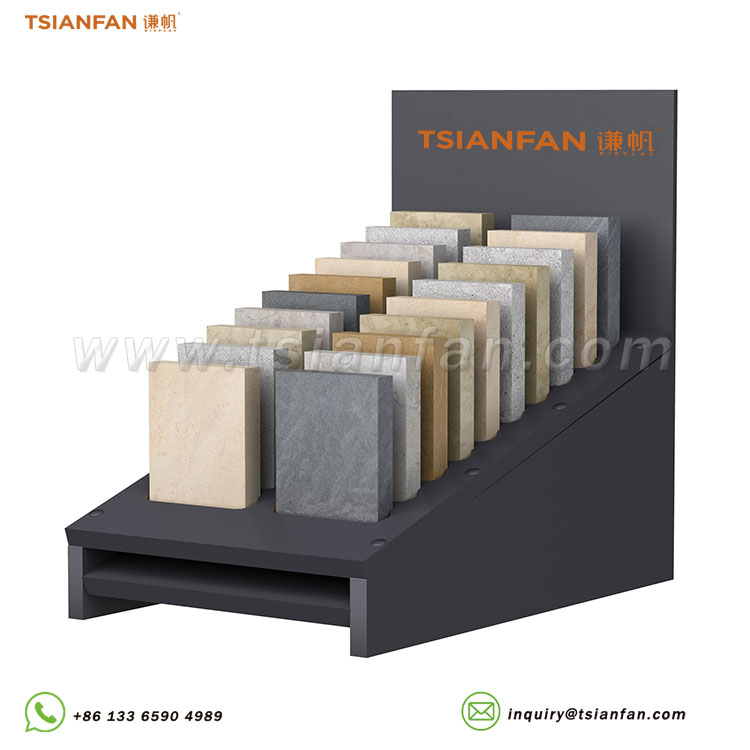
We engineered the SG2020 center of gravity 40% below the frame midpoint after studying how customers interact with stone displays. They lean slabs forward to see the polished face, and the rack must n
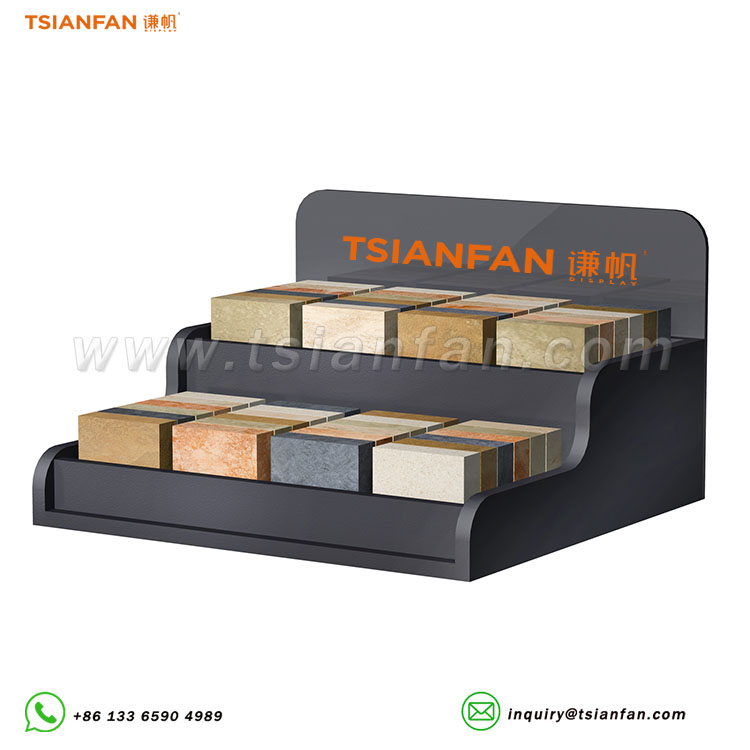
Stone showrooms face constant tension: display more products to sell more, but do not overcrowd the space. The SG2070 uses a staggered front-to-back layout that shows every slab face from a single ais
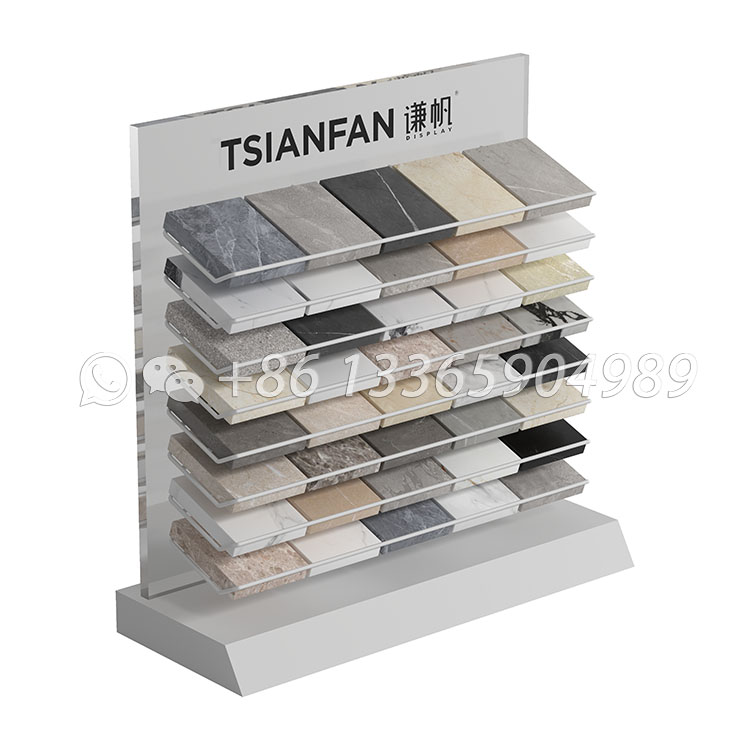
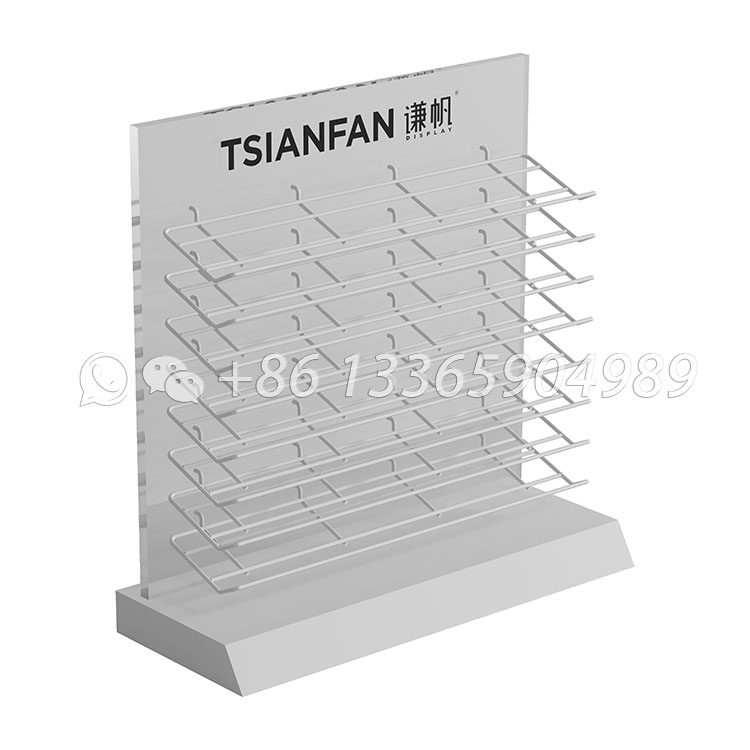
Custom sizes, materials, colors, and configurations are available to meet different showroom and branding requirements.


The SALE frame is engineered with a center of gravity 40% below the midpoint. Even with all sample panels pulled out simultaneously, the rack stays planted.
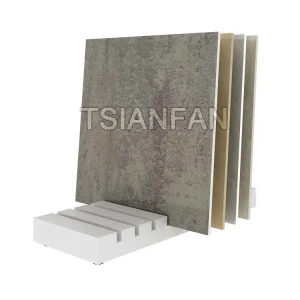
We manufacture the ST028 in the same facility where we build industrial storage systems, which is why the load ratings on our display racks are conservative rather than aspirational.
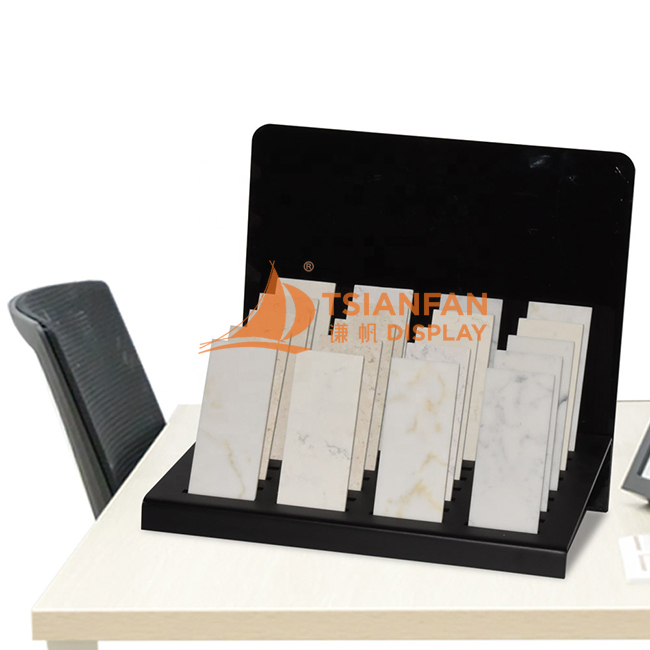
If your sales team spends more time fetching samples from the back than talking to customers, the CRT002 puts your entire collection at their fingertips — literally within arm’s reach of the consultat
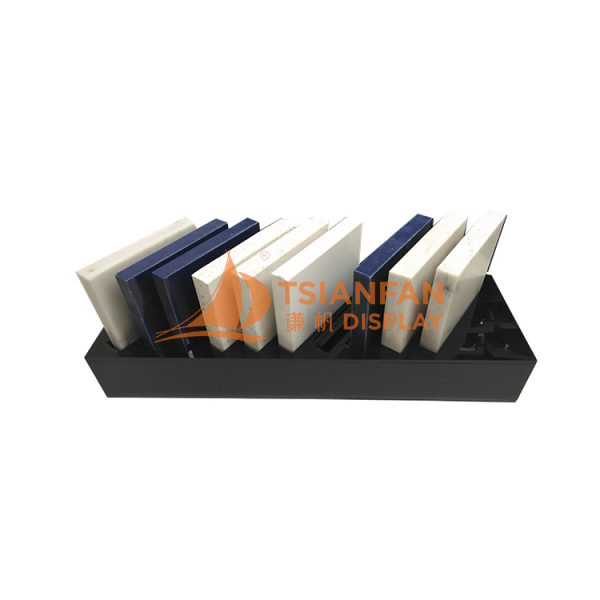
We manufacture the CRT001 in the same facility where we build industrial storage systems, which is why the load ratings on our display racks are conservative rather than aspirational.
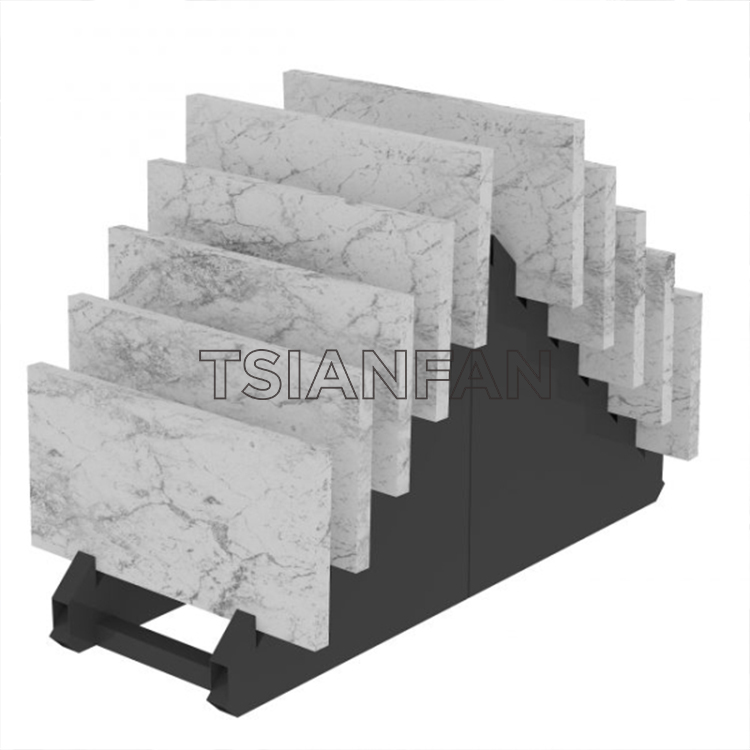
Floor space in a retail showroom runs $20-50 per square foot. The SRL224 holds up to 18 full-size tile samples in roughly 4 square feet — less than a standard pallet.

Quartz, granite, and marble each have different weight characteristics. The E2032 slot geometry was optimized for the average density range of natural and engineered stone, with extra reinforcement at
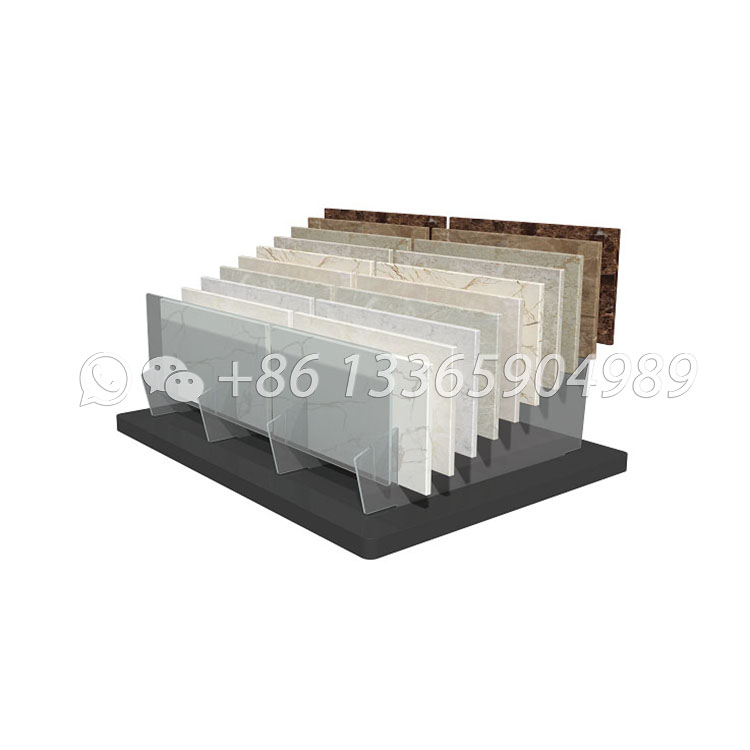
We manufacture the STAND in our Xiamen facility where we control every step from steel procurement to final assembly. No subcontractors, no quality gaps.
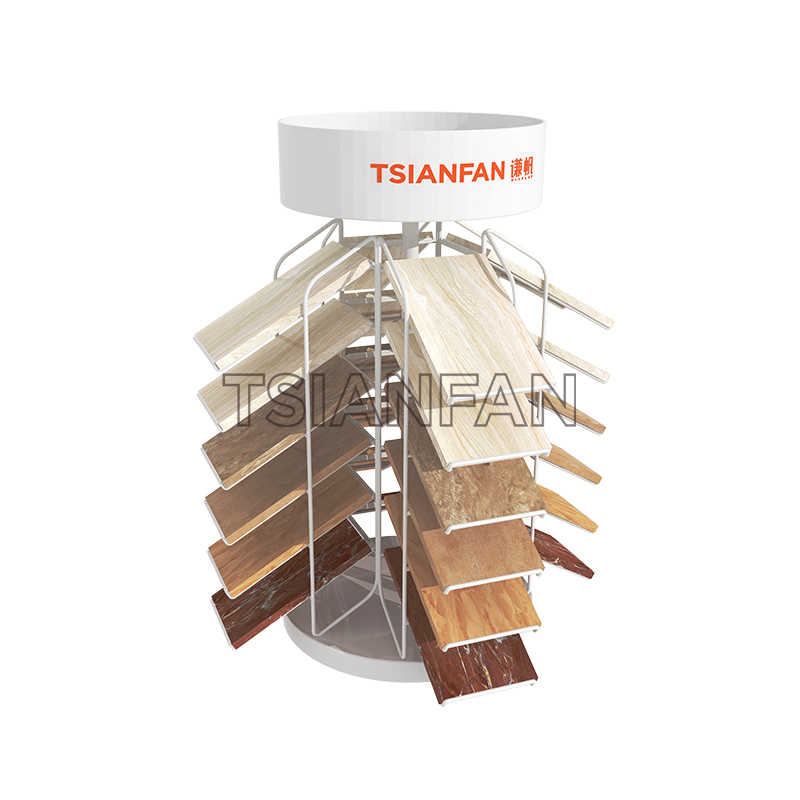
Natural stone varies in thickness from 10mm to 30mm, and your display rack must handle that range. The SRT325 slots accept the full thickness spectrum without adapter plates or shims.

The SRT2026 contact pads are made from EPDM rubber — the same material used in permanent outdoor gaskets. They won’t degrade, stain, or transfer color to light-colored stone surfaces.
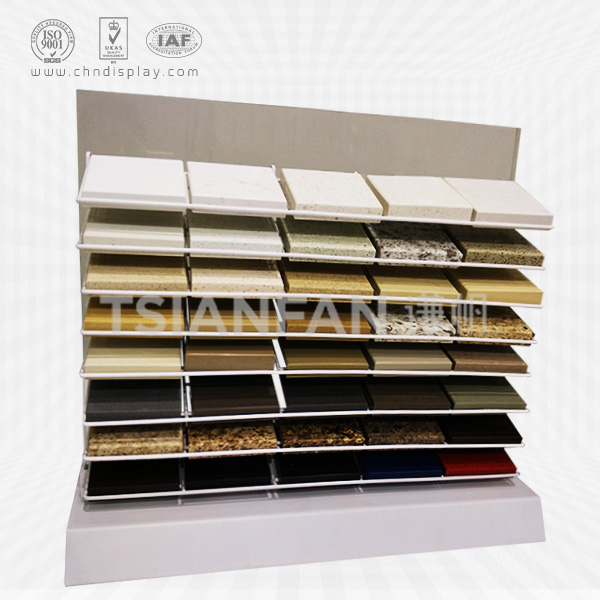
Granite distributors appreciate that the SRT2028 frame is built from the same grade of steel used in structural scaffolding. It is overbuilt for display, which is exactly how it should be.

Stone showrooms face constant tension: display more products to sell more, but do not overcrowd the space. The SRT2013 uses a staggered front-to-back layout that shows every slab face from a single ai

Quartz, granite, and marble each have different weight characteristics. The SRT2016 slot geometry was optimized for the average density range of natural and engineered stone, with extra reinforcement
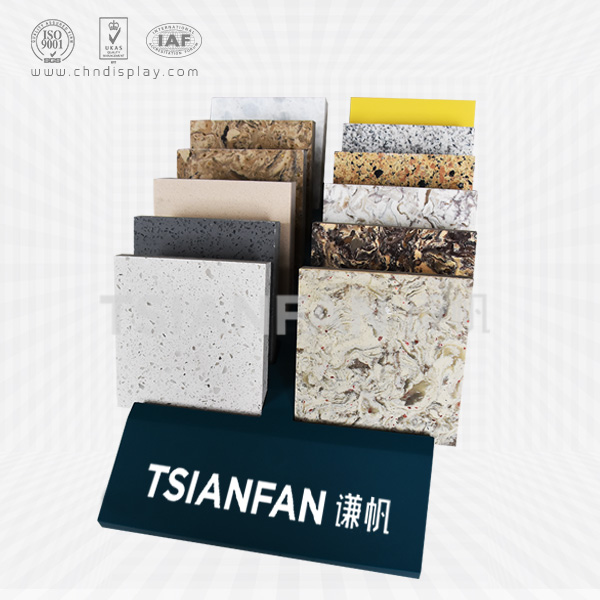
Natural stone varies in thickness from 10mm to 30mm, and your display rack must handle that range. The SRT2003 slots accept the full thickness spectrum without adapter plates or shims.

Marble showrooms need display fixtures that match the elegance of the stone. The SRT2006 matte black finish with clean geometric lines complements rather than competes with premium natural stone.

Stone showrooms face constant tension: display more products to sell more, but do not overcrowd the space. The SRT2009 uses a staggered front-to-back layout that shows every slab face from a single ai