Showing 981–1000 of 2795 resultsSorted by latest
-

Stone showrooms face constant tension: display more products to sell more, but do not overcrowd the space. The 761 uses a staggered front-to-back layout that shows every slab face from a single aisle.
-

Showroom layouts change, product lines rotate, and display fixtures need to keep up. The 516 is designed for disassembly and reassembly — every connection is a bolt, not a weld, so you can reconfigure
-

Not every showroom sells a single product category. The 346 was designed for versatility — it handles tile, stone, wood, and laminate samples with equal reliability using interchangeable holder types.
-

If your sales team spends more time fetching samples from the back than talking to customers, the 779 puts your entire collection at their fingertips — literally within arm’s reach of the consultation
-

The 793 locking casters are TK-200 series — the same specification used in hospital equipment. Silent rolling, full-lock at pedal press, and rated for years of daily repositioning across hard floors.
-

Contractors and homeowners make up most flooring showroom traffic. Neither group wants to dig through stacks. The 693 puts 20+ planks in a single sightline so customers scan your entire range without
-

We finish the 553 in matte black as standard because it does not compete visually with tile colors. Custom RAL color matching is available for branded showroom environments.
-

Floor space in a retail showroom runs $20-50 per square foot. The 380 holds up to 18 full-size tile samples in roughly 4 square feet — less than a standard pallet.
-

Every CZ2033 ships with a printed assembly guide that uses only pictures — no English required. We have shipped to 50+ countries and the feedback on our instructions has been universally positive.
-

When your tile collection changes seasonally, your display system should keep up. The SHOWROOM uses adjustable slot brackets that reposition without tools — lift, slide, lock.
-

We spent 8 months prototyping the 854 before releasing it. The breakthrough was the tier-adjustment mechanism — no bolts, no loose parts, just lift and click into one of 15 preset heights.
-

Engineered wood and laminate samples are lighter than solid hardwood, but they still need secure display. The 74 tier spacing accommodates the full range of modern flooring thicknesses.
-

Designers and architects are the primary mosaic customer, and they make decisions based on subtle color differences. The MM2008 positions samples at eye height with uniform lighting exposure.
-

Glass mosaic has a completely different visual profile from stone mosaic, and your display rack must work for both. The MM2010 EVA foam backing in neutral grey won’t tint or discolor even the lightest
-
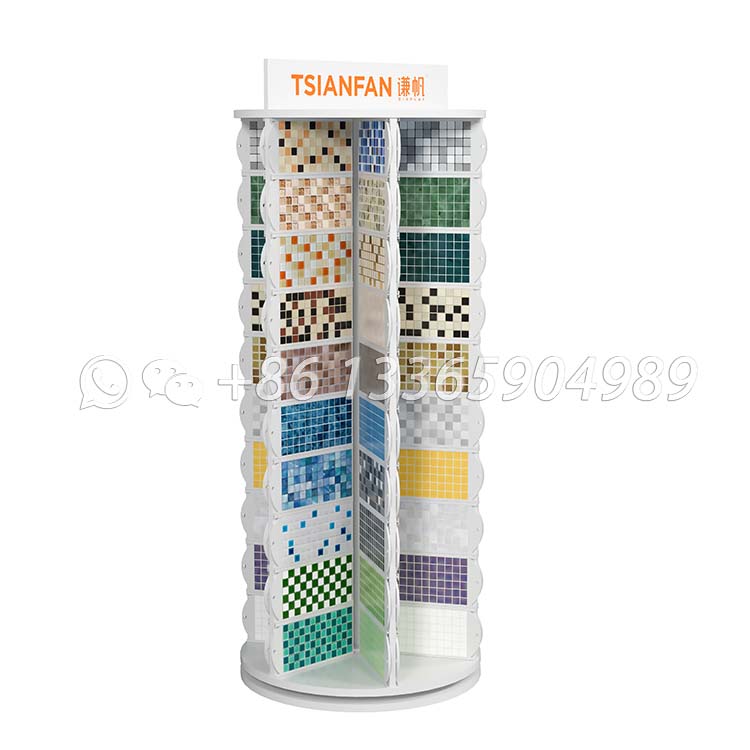
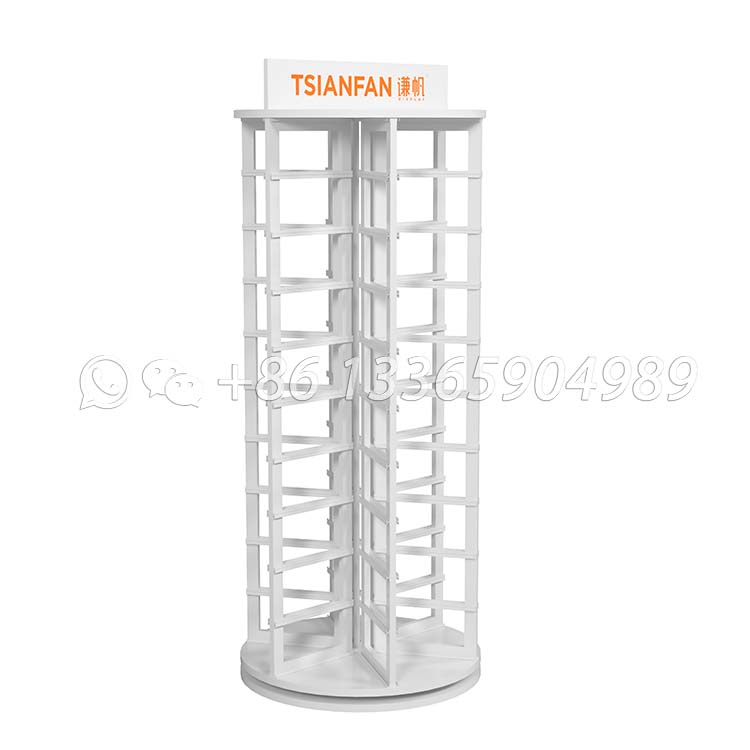
Unlike welded display fixtures that ship in bulky crates, the MM017 packs flat to roughly 12% of its assembled volume. This cuts your freight cost and simplifies receiving.
-

Door and window showrooms are high-traffic environments where display fixtures take daily abuse. The SHELF frame uses reinforced pivot points and dampened swing stops rated for thousands of open-close
-
Natural stone varies in thickness from 10mm to 30mm, and your display rack must handle that range. The CZ015 slots accept the full thickness spectrum without adapter plates or shims.
-
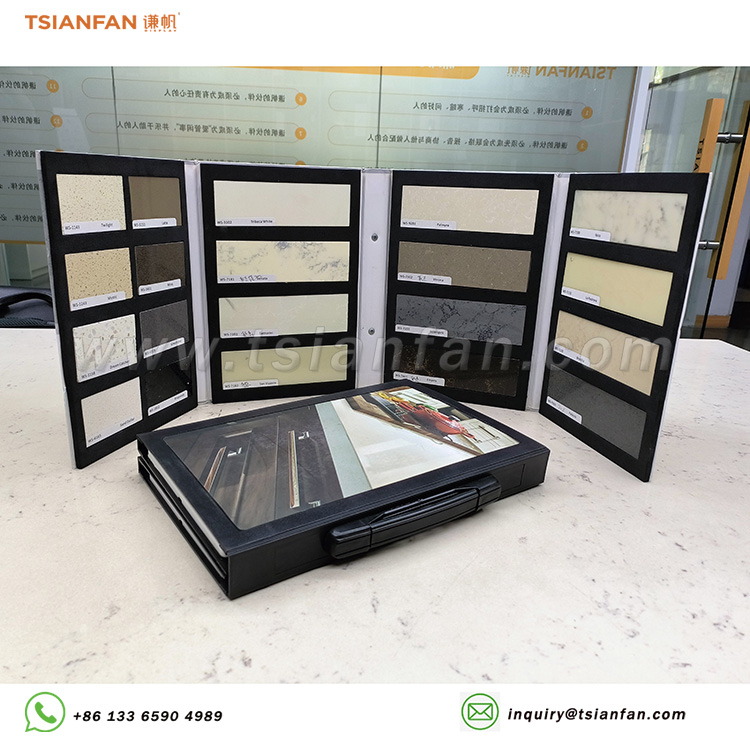
Showroom managers love the DISPLAY because samples stay clean longer — the angled display means less dust settles on the tile faces, reducing daily cleaning time.
-

Door displays need to communicate weight, swing, and finish simultaneously — a difficult brief for static display fixtures. The SW114 presents doors at a slight open angle so customers see both face a
-
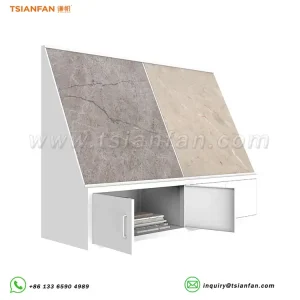
When an architect visits your showroom to specify stone for a project, they need to see full slabs on display. The SOLUTION presents each slab at a 7° tilt-back angle that keeps it stable without clam