Showing 541–560 of 2795 resultsSorted by latest
-
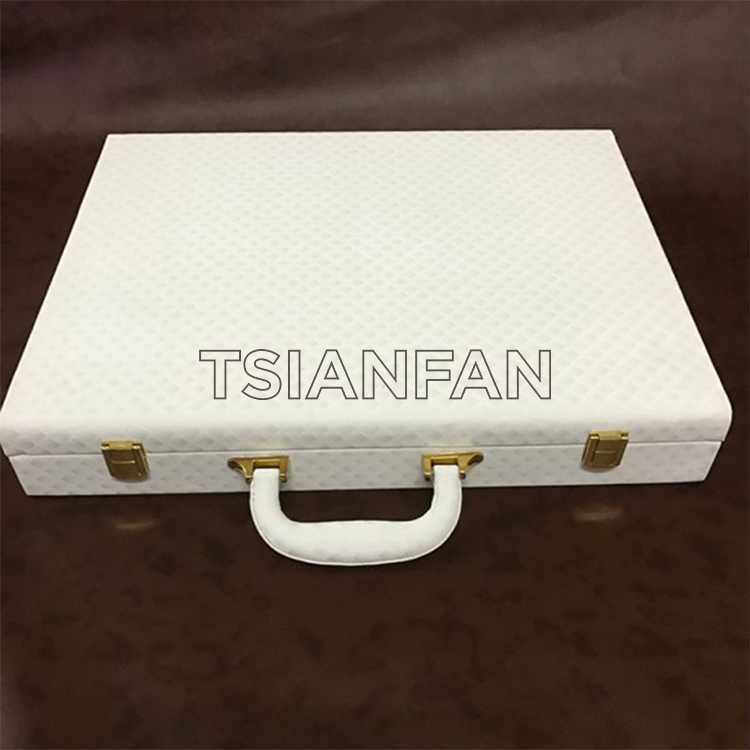
Tile retailers tell us their customers make faster decisions when they can compare 6-8 slabs side by side. The PX2046 enables that comparison shopping experience without requiring a warehouse-sized sh
-

Quartz, granite, and marble each have different weight characteristics. The PB2010 slot geometry was optimized for the average density range of natural and engineered stone, with extra reinforcement a
-
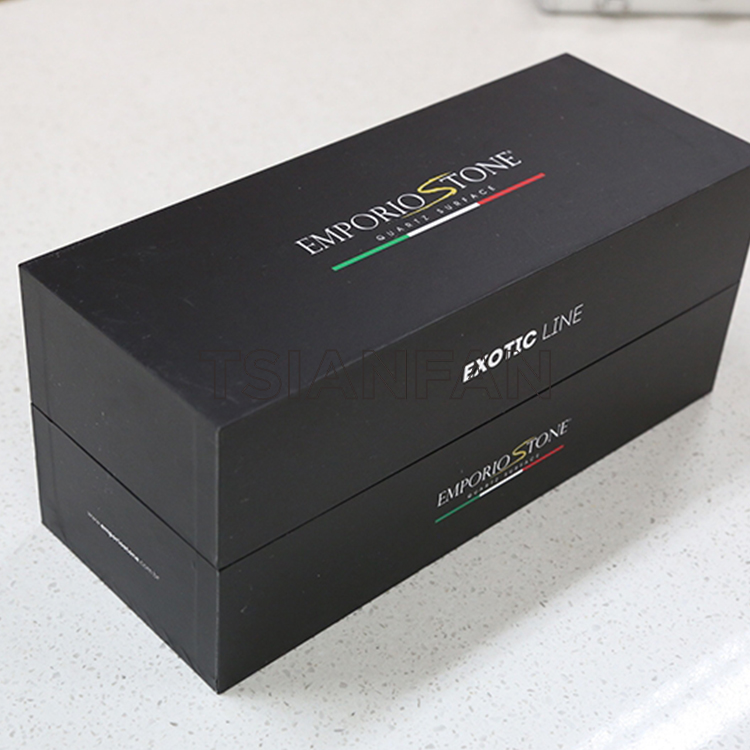
Natural stone varies in thickness from 10mm to 30mm, and your display rack must handle that range. The PB2009 slots accept the full thickness spectrum without adapter plates or shims.
-

Stone importers tell us their biggest display headache is racks that develop a permanent lean toward the front. The 2 has full-frame gusset plates at all four corners specifically to prevent this.
-

Quartz, granite, and marble each have different weight characteristics. The PB2007 slot geometry was optimized for the average density range of natural and engineered stone, with extra reinforcement a
-

Each PB2006 leaves our factory with a QR-coded inspection report showing the batch number, welder ID, coating thickness measurements, and the name of the QC inspector who signed off.
-
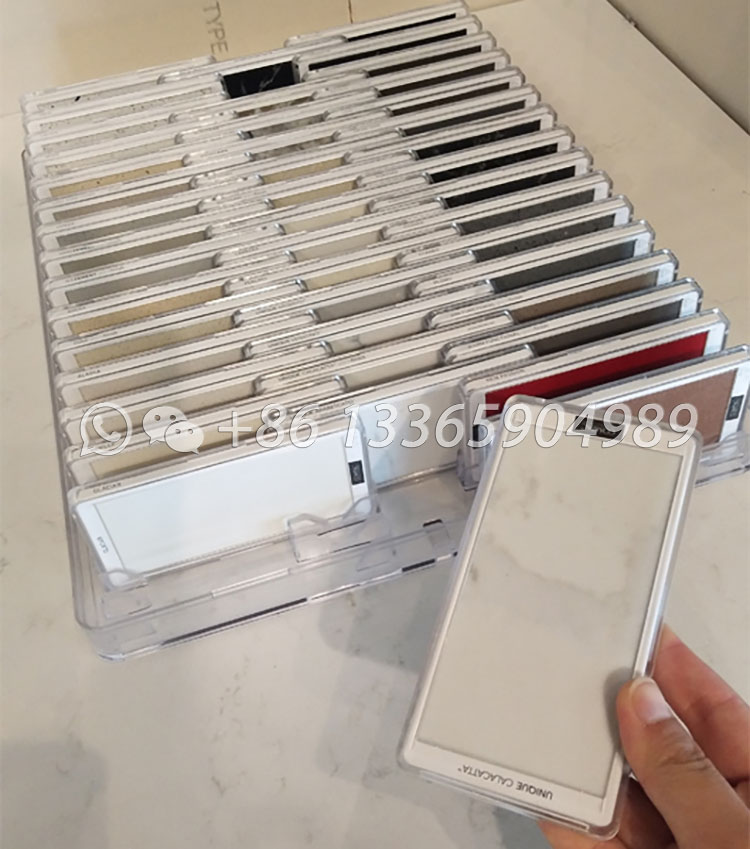
The SRT111 was first prototyped for a Dubai-based stone importer who needed display racks that could survive in 45°C warehouse heat without the powder coat peeling. That prototype is still in service
-

Tile samples look their best when customers can see the full face without bending or reaching. The PY2019 angles every panel slightly toward the viewer, reducing glare from overhead showroom lighting.
-

Humidity in stone warehouses can be extreme. The PY2018 powder coat is applied at 90-110μm thickness — more than triple the industry minimum — with a zinc phosphate undercoat for corrosion resistance.
-
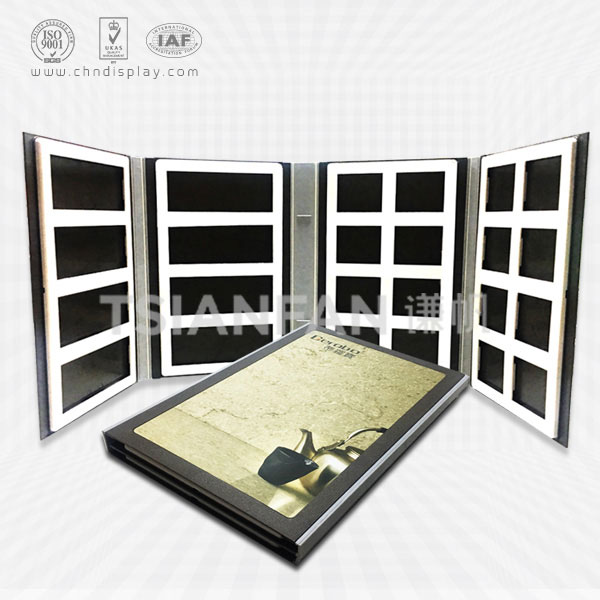
The PY2014 contact pads are made from EPDM rubber — the same material used in permanent outdoor gaskets. They won’t degrade, stain, or transfer color to light-colored stone surfaces.
-

The slot liners on the SY2029 are made from EPDM rubber, the same material used in automotive weather seals. They do not harden, crack, or leave marks on your tile edges.
-
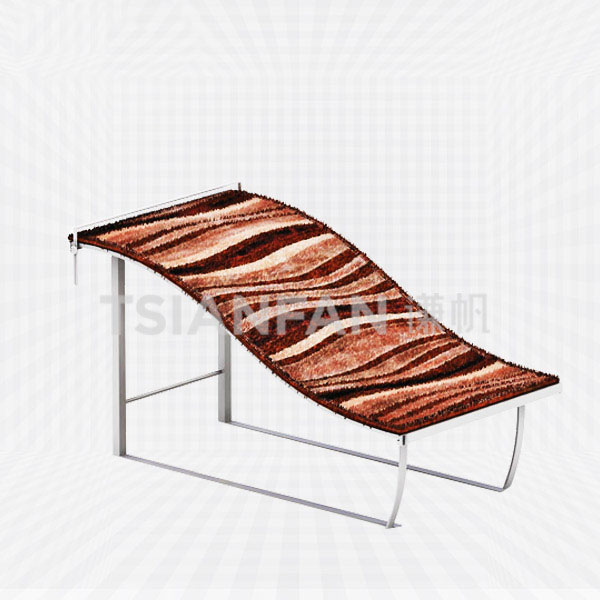
Flooring retailers who stock both hard surface and soft surface products need display systems that handle the difference. The CE2031 accommodates carpet rolls, hanging samples, and bound area rugs in
-

Carpet samples are bulky, flexible, and easily damaged if stored improperly. The CE2008 was designed specifically for rolled and hanging carpet presentation — not adapted from a general-purpose rack.
-
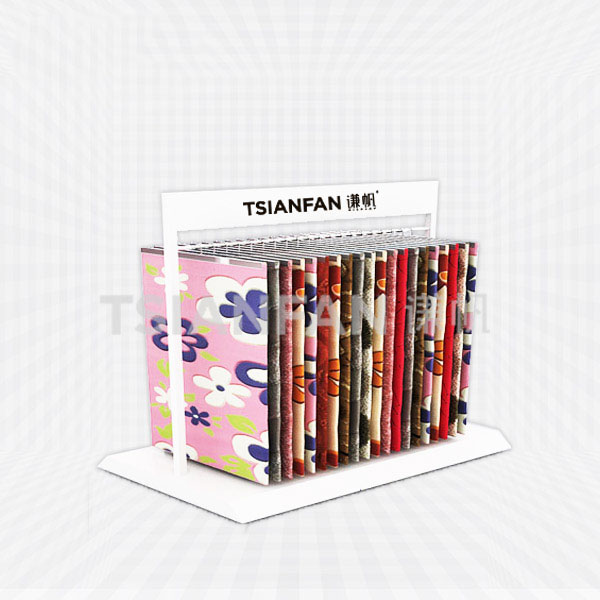
The DE011 frame uses thick-gauge steel tube because carpet rolls are heavier than they look. A full rack of densely woven commercial carpet samples can weigh over 200kg.
-
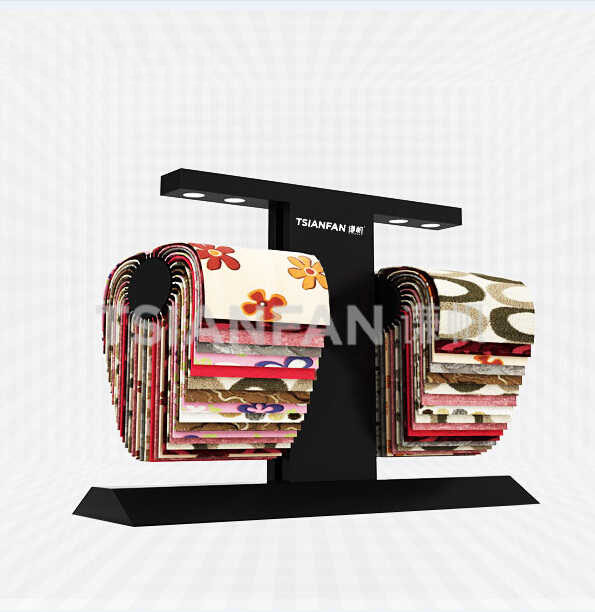
Carpet showrooms face a unique issue: samples need to be touched. The CE2028 presents samples at hand height with enough clearance for customers to feel the pile, check the backing, and return the sam
-

Carpet samples are bulky, flexible, and easily damaged if stored improperly. The CE2012 was designed specifically for rolled and hanging carpet presentation — not adapted from a general-purpose rack.
-

Showrooms with mixed door types — interior, exterior, sliding, bi-fold — need display that works for all configurations. The D2010 adjustable mounting points accept any standard door hinge pattern.
-

Door displays need to communicate weight, swing, and finish simultaneously — a difficult brief for static display fixtures. The D2007 presents doors at a slight open angle so customers see both face a
-

When your tile collection changes seasonally, your display system should keep up. The PS2026 uses adjustable slot brackets that reposition without tools — lift, slide, lock.
-
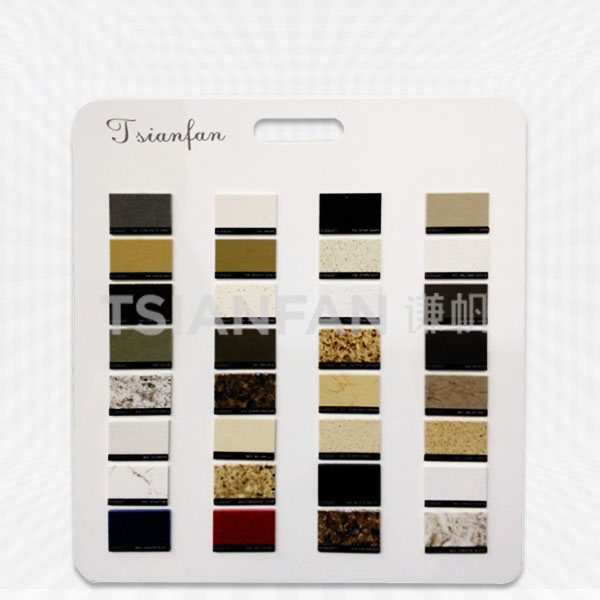
Every PS2024 ships with a printed assembly guide that uses only pictures — no English required. We have shipped to 50+ countries and the feedback on our instructions has been universally positive.