
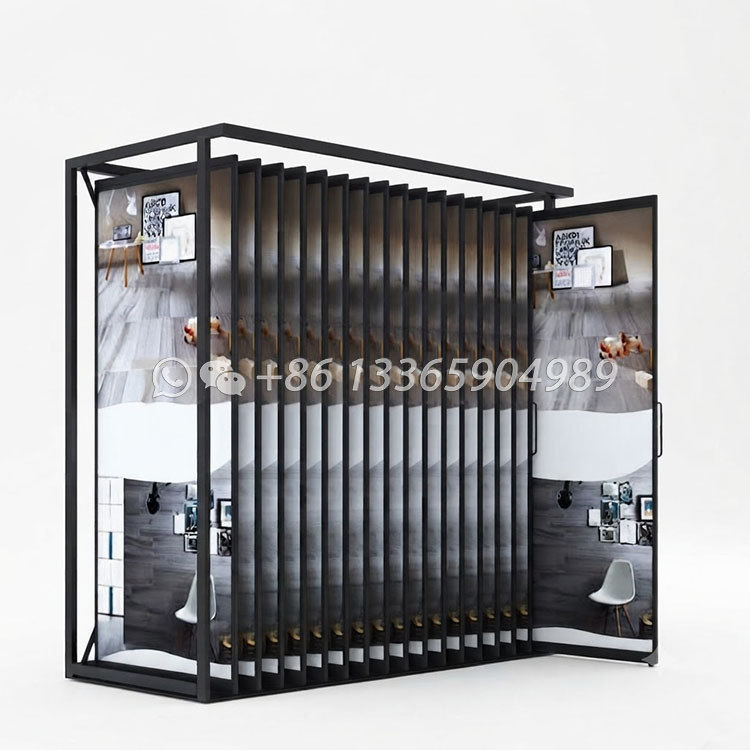
ceramic tile drawer display cabinet-cc2009
We manufacture the CC2009 in our Xiamen facility where we control every step from steel procurement to final assembly. No subcontractors, no quality gaps.
Showing 101–120 of 184 resultsSorted by latest

We manufacture the CC2009 in our Xiamen facility where we control every step from steel procurement to final assembly. No subcontractors, no quality gaps.
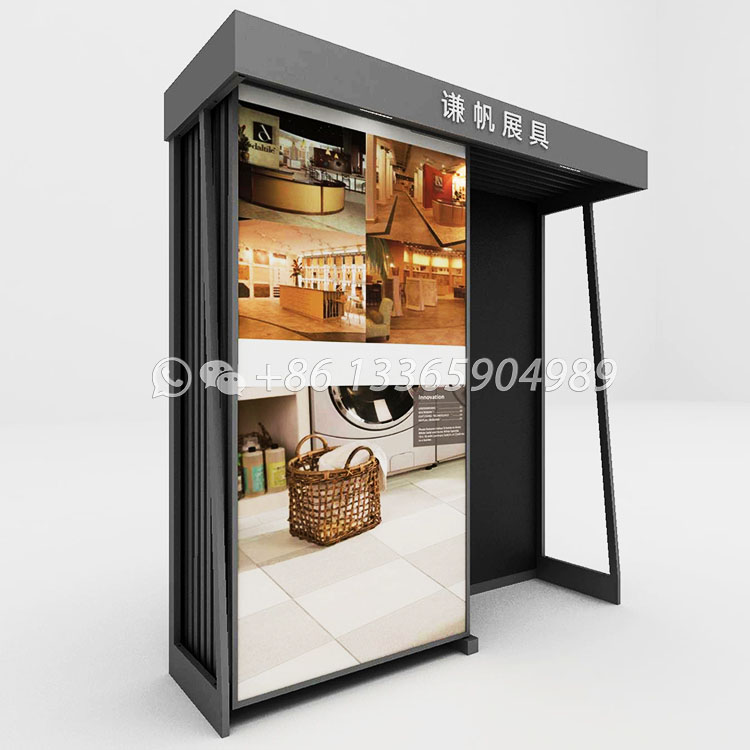
Each CD2001 leaves our factory with a QR-coded inspection report showing the batch number, welder ID, coating thickness measurements, and the name of the QC inspector who signed off.

The CD2002 frame starts as cold-rolled steel tube, cut and welded on CNC jigs to maintain consistent slot spacing across every unit. No shims, no field adjustments needed.

The CD2003 uprights are 45×45mm square tube with 2.5mm wall thickness. We publish the cross-section spec because we want you to compare it against anything else on the market.
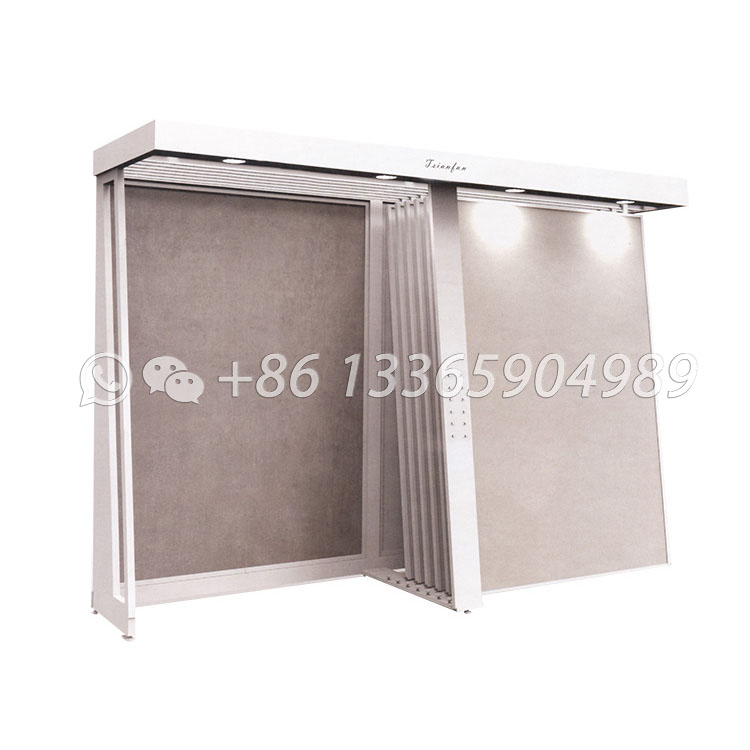
We designed the CD2025 after visiting 30+ tile showrooms and noticing the same bottleneck: staff wasting time lifting heavy sample boards. This rack lets one person reorganize an entire display wall i

We designed the CD2007 after visiting 30+ tile showrooms and noticing the same bottleneck: staff wasting time lifting heavy sample boards. This rack lets one person reorganize an entire display wall i
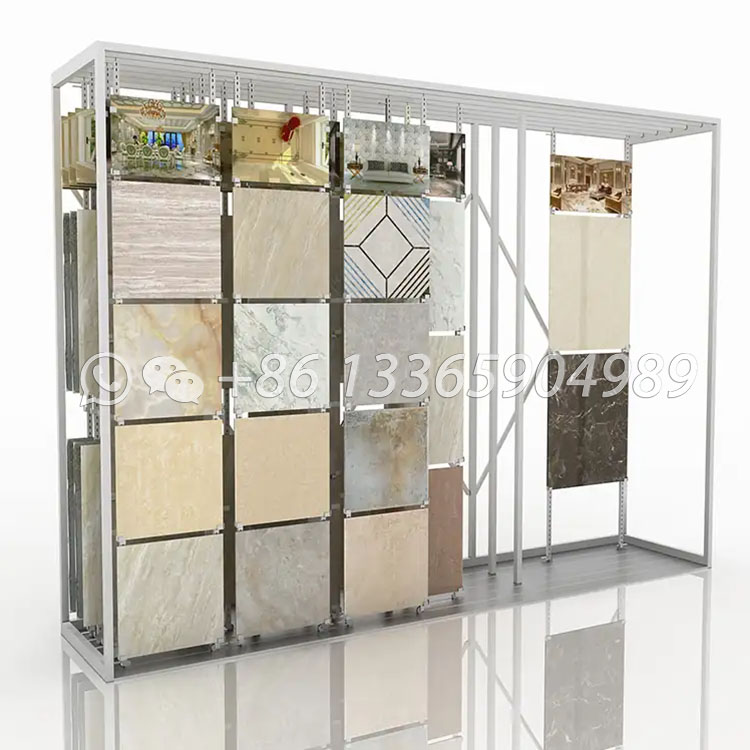
The biggest complaint we heard from distributors was display racks that developed a ‘lean’ after 6 months. The CT2195 has gusseted corner plates and cross-braced rear panels that eliminate frame racki
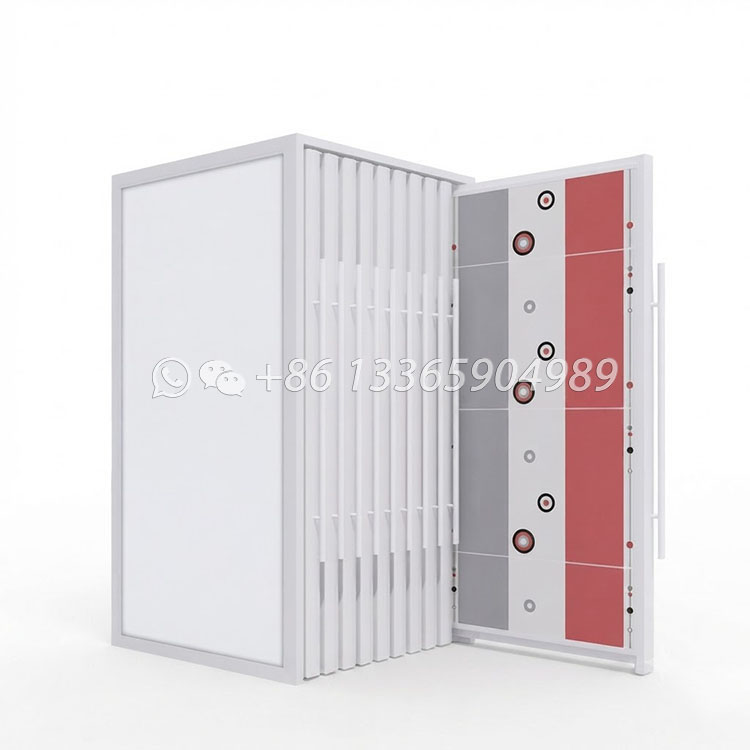
When your tile collection changes seasonally, your display system should keep up. The CT2012 uses adjustable slot brackets that reposition without tools — lift, slide, lock.

The biggest complaint we heard from distributors was display racks that developed a ‘lean’ after 6 months. The CT2010 has gusseted corner plates and cross-braced rear panels that eliminate frame racki
Showroom managers love the CT2136 because samples stay clean longer — the angled display means less dust settles on the tile faces, reducing daily cleaning time.

We plate the CT2134 with a zinc-phosphate corrosion barrier before powder coating. It is the same three-stage finishing process used on outdoor architectural steel, because showroom humidity is just a

Showroom managers love the CT2004 because samples stay clean longer — the angled display means less dust settles on the tile faces, reducing daily cleaning time.

The rail system on the CT2031 uses ball-bearing sliders rated at 10,000+ cycles. That is roughly 5 years of daily use in a busy showroom before any maintenance is needed.

Showrooms in coastal cities face salt-air corrosion that eats standard powder coat in under a year. The CT2028 undergoes a 72-hour salt spray test before it leaves our facility.

The slot liners on the CT2019 are made from EPDM rubber, the same material used in automotive weather seals. They do not harden, crack, or leave marks on your tile edges.

The CT2014 was field-tested for 18 months in a high-traffic Dubai showroom before we released the design. Every improvement between prototype and production came from watching real customers interact

We designed the CT2078 after visiting 30+ tile showrooms and noticing the same bottleneck: staff wasting time lifting heavy sample boards. This rack lets one person reorganize an entire display wall i

We plate the CT2063 with a zinc-phosphate corrosion barrier before powder coating. It is the same three-stage finishing process used on outdoor architectural steel, because showroom humidity is just a

The slot liners on the CT2062 are made from EPDM rubber, the same material used in automotive weather seals. They do not harden, crack, or leave marks on your tile edges.

The CT2042 was field-tested for 18 months in a high-traffic Dubai showroom before we released the design. Every improvement between prototype and production came from watching real customers interact