
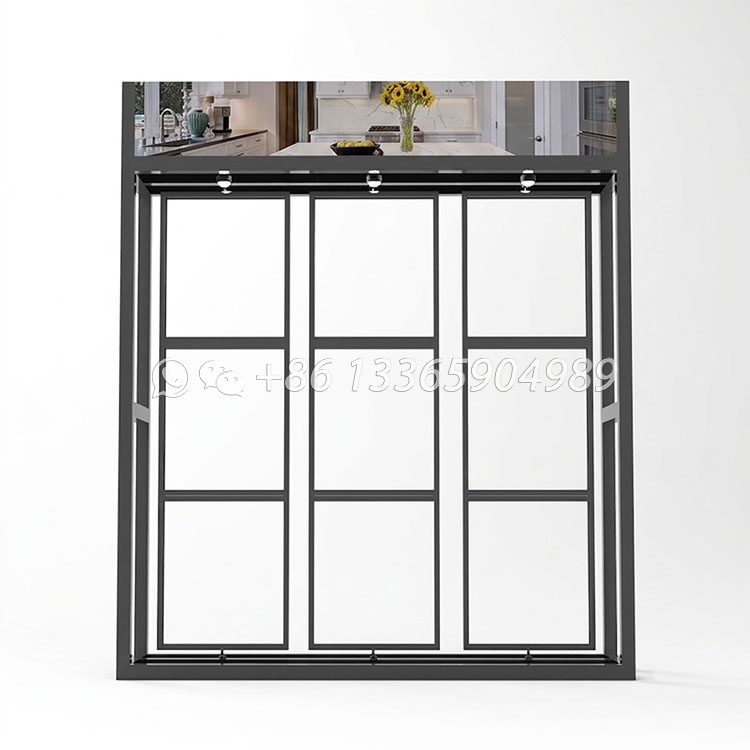
granite samples page turn display rack
Granite distributors appreciate that the SG2057 frame is built from the same grade of steel used in structural scaffolding. It is overbuilt for display, which is exactly how it should be.
Showing 581–600 of 633 resultsSorted by latest

Granite distributors appreciate that the SG2057 frame is built from the same grade of steel used in structural scaffolding. It is overbuilt for display, which is exactly how it should be.
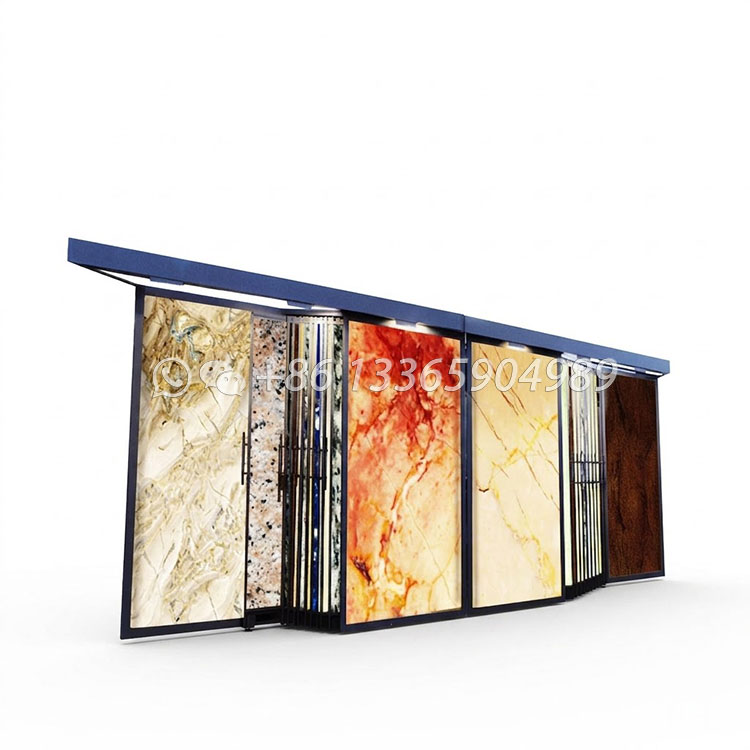
Marble showrooms need display fixtures that match the elegance of the stone. The SD2030 matte black finish with clean geometric lines complements rather than competes with premium natural stone.
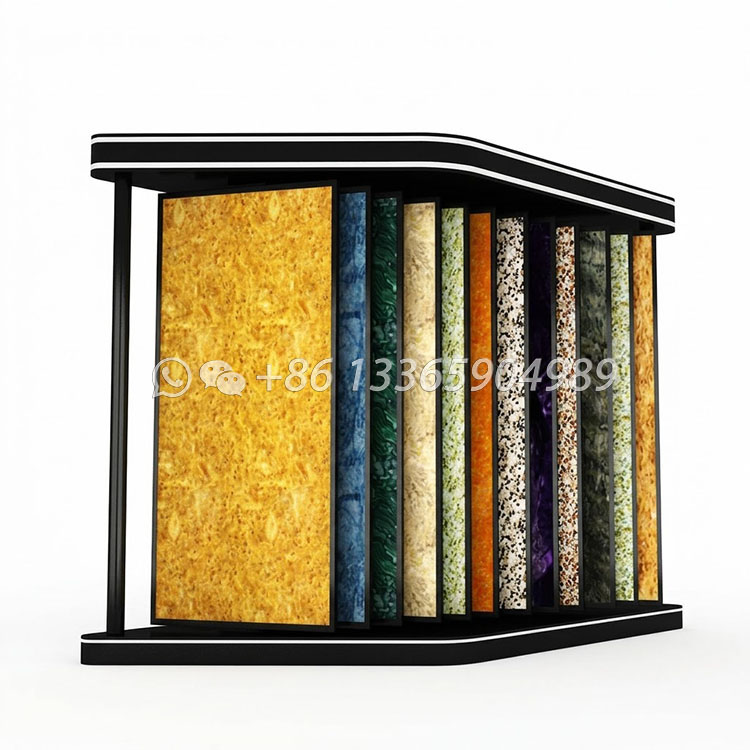
The SD2007 was first prototyped for a Dubai-based stone importer who needed display racks that could survive in 45°C warehouse heat without the powder coat peeling. That prototype is still in service
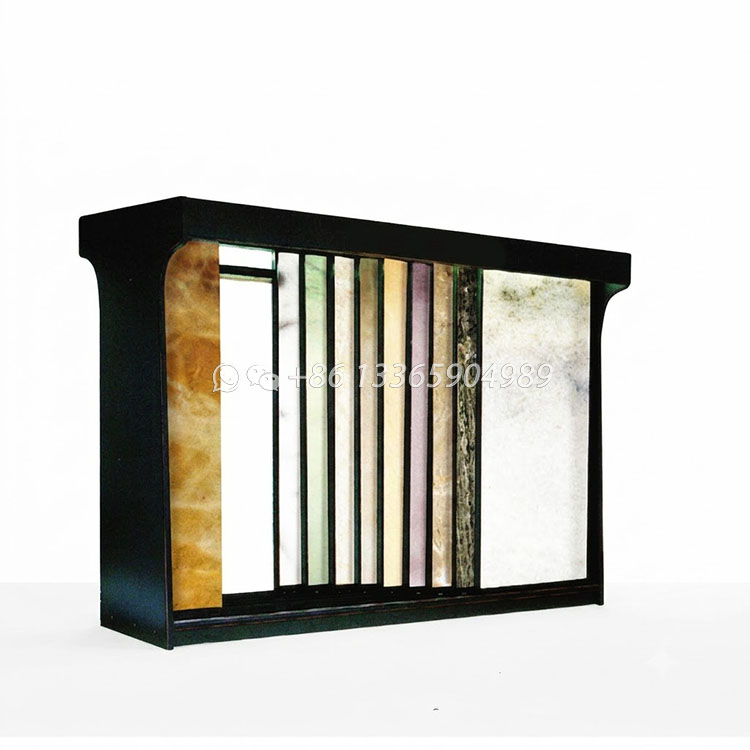
Quartz, granite, and marble each have different weight characteristics. The SD2008 slot geometry was optimized for the average density range of natural and engineered stone, with extra reinforcement a
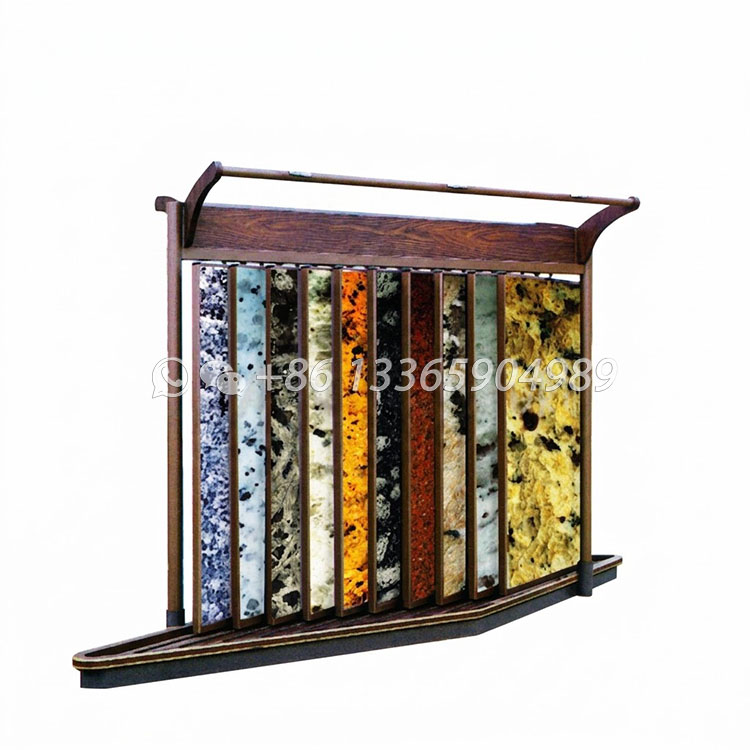
Granite distributors appreciate that the SD2010 frame is built from the same grade of steel used in structural scaffolding. It is overbuilt for display, which is exactly how it should be.
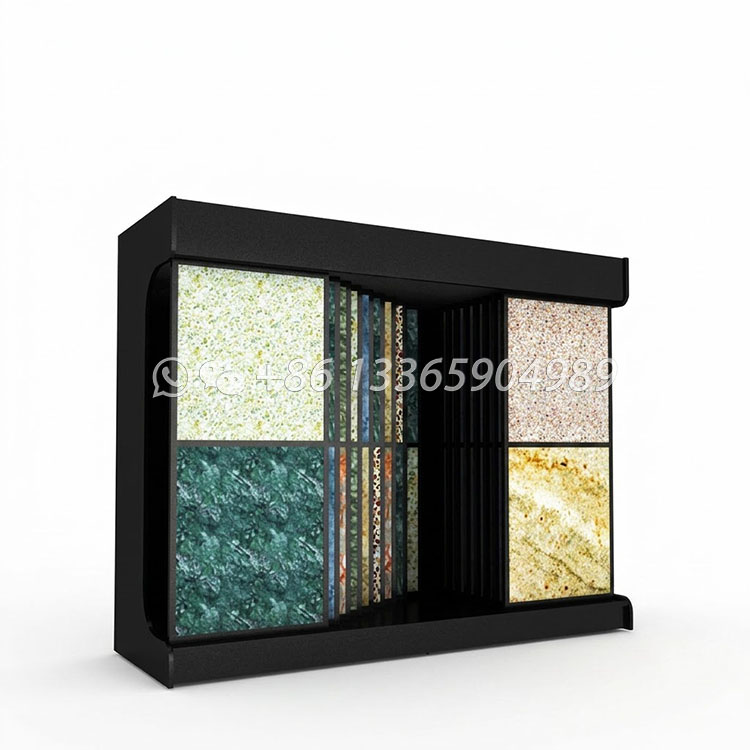
When an architect visits your showroom to specify stone for a project, they need to see full slabs on display. The SD2012 presents each slab at a 7° tilt-back angle that keeps it stable without clampi
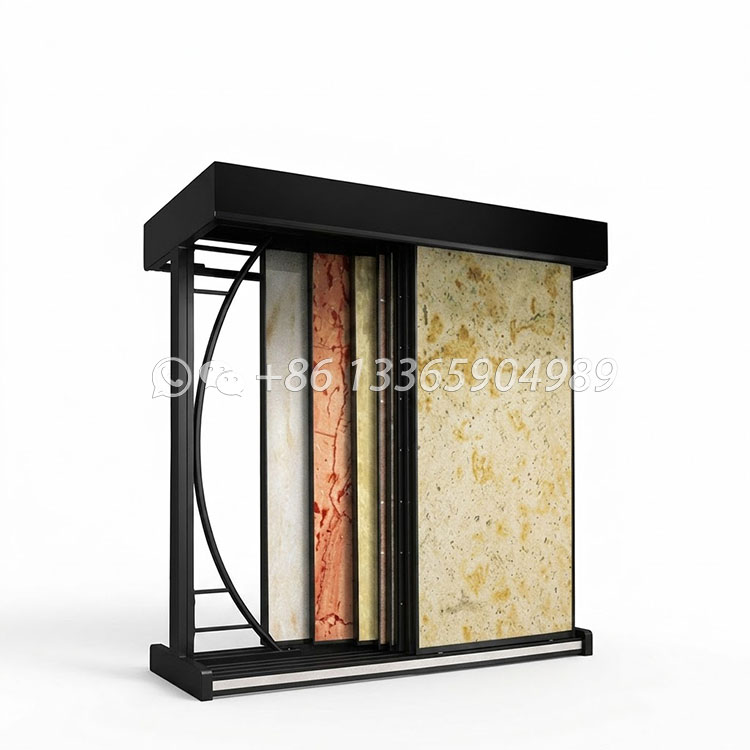
Humidity in stone warehouses can be extreme. The SD2014 powder coat is applied at 90-110μm thickness — more than triple the industry minimum — with a zinc phosphate undercoat for corrosion resistance.
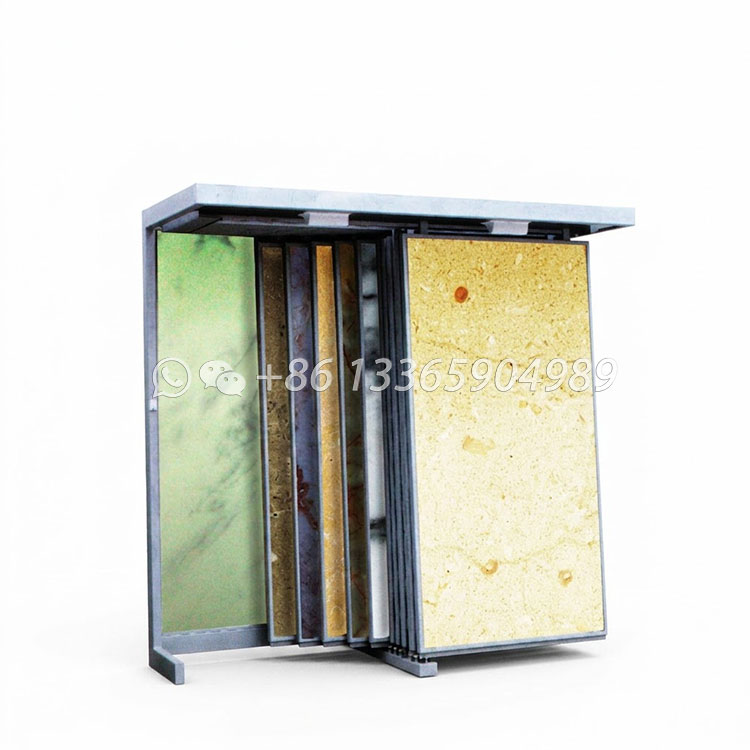
The SD2017 was first prototyped for a Dubai-based stone importer who needed display racks that could survive in 45°C warehouse heat without the powder coat peeling. That prototype is still in service
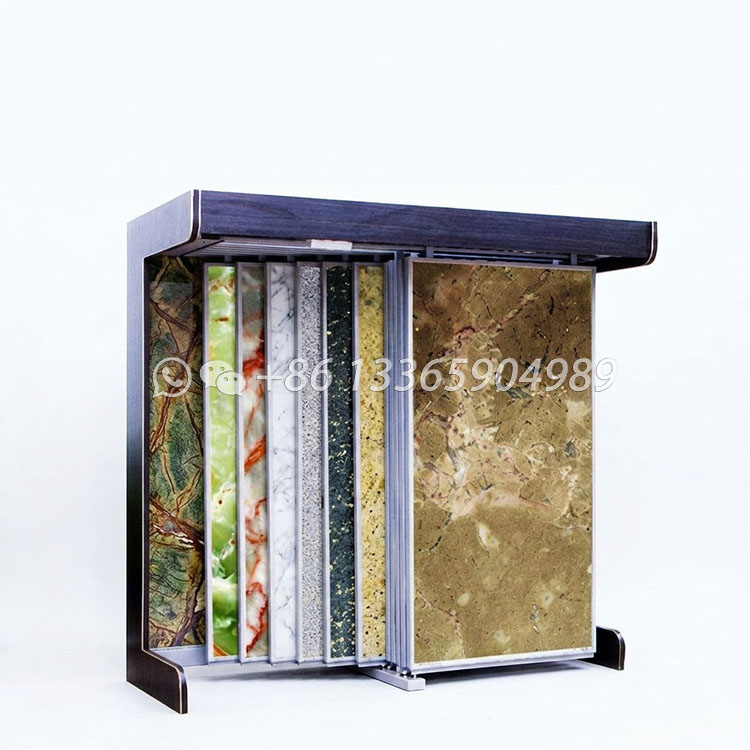
We manufacture the SD2018 in the same facility where we build industrial storage systems, which is why the load ratings on our display racks are conservative rather than aspirational.
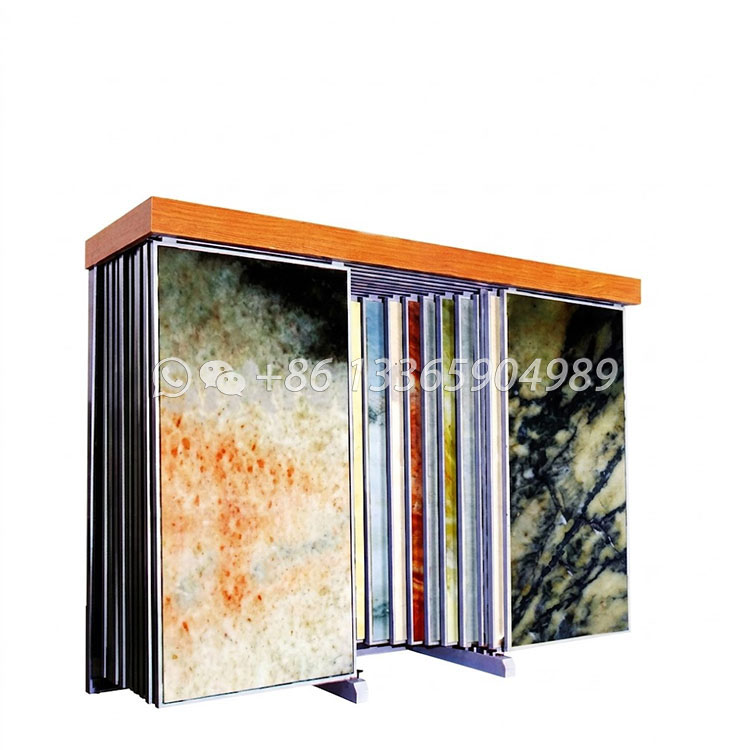
Stone showrooms face constant tension: display more products to sell more, but do not overcrowd the space. The SD2019 uses a staggered front-to-back layout that shows every slab face from a single ais
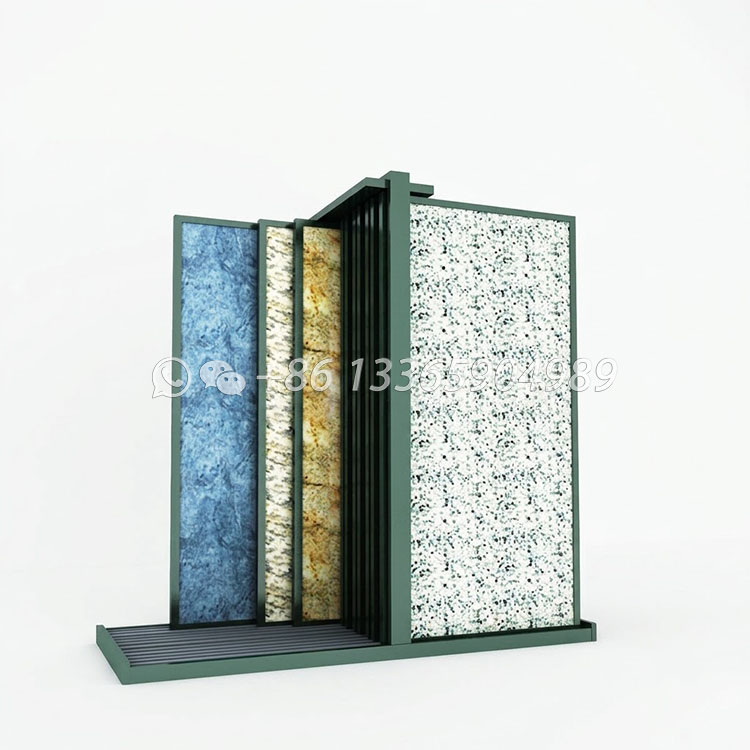
When an architect visits your showroom to specify stone for a project, they need to see full slabs on display. The SD2021 presents each slab at a 7° tilt-back angle that keeps it stable without clampi
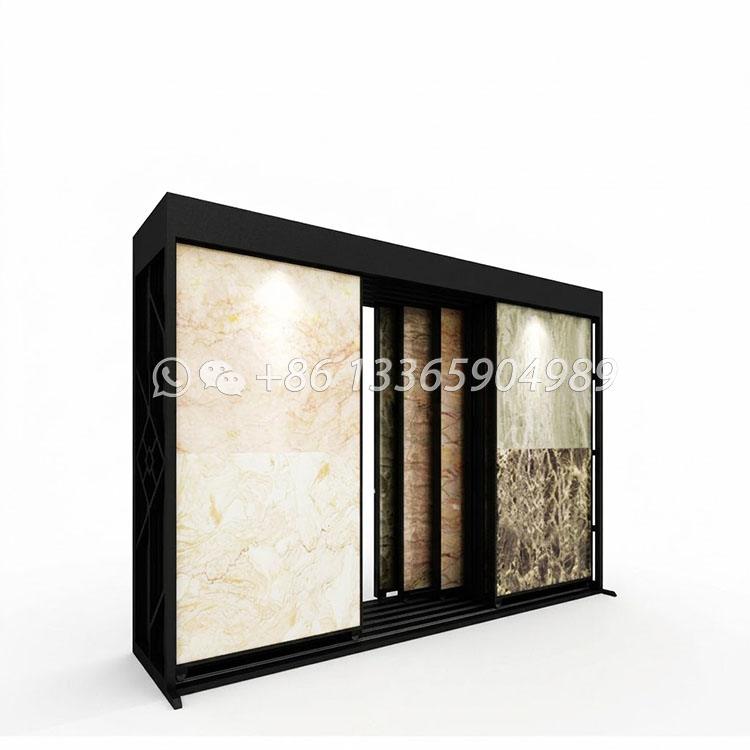
When your tile collection changes seasonally, your display system should keep up. The SD2054 uses adjustable slot brackets that reposition without tools — lift, slide, lock.
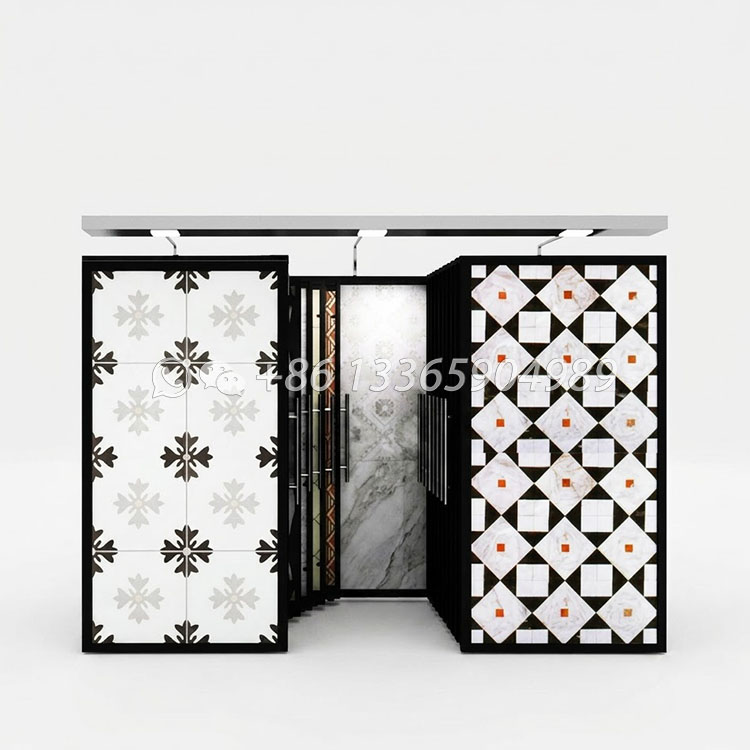
Unlike welded display fixtures that ship in bulky crates, the SD2055 packs flat to roughly 12% of its assembled volume. This cuts your freight cost and simplifies receiving.

We plate the 871 with a zinc-phosphate corrosion barrier before powder coating. It is the same three-stage finishing process used on outdoor architectural steel, because showroom humidity is just as u


We manufacture the STAND in our Xiamen facility where we control every step from steel procurement to final assembly. No subcontractors, no quality gaps.
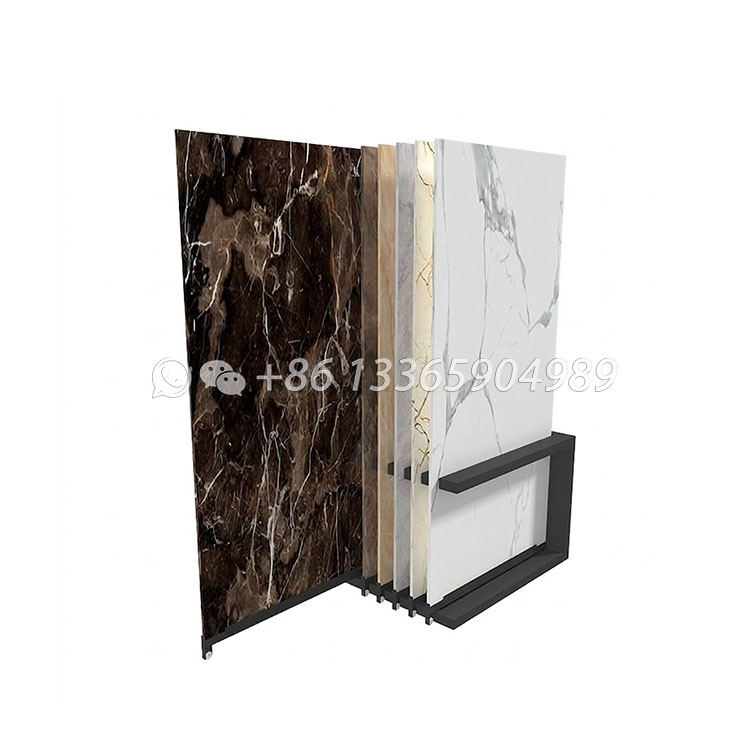
Stone showrooms face constant tension: display more products to sell more, but do not overcrowd the space. The SG2061 uses a staggered front-to-back layout that shows every slab face from a single ais
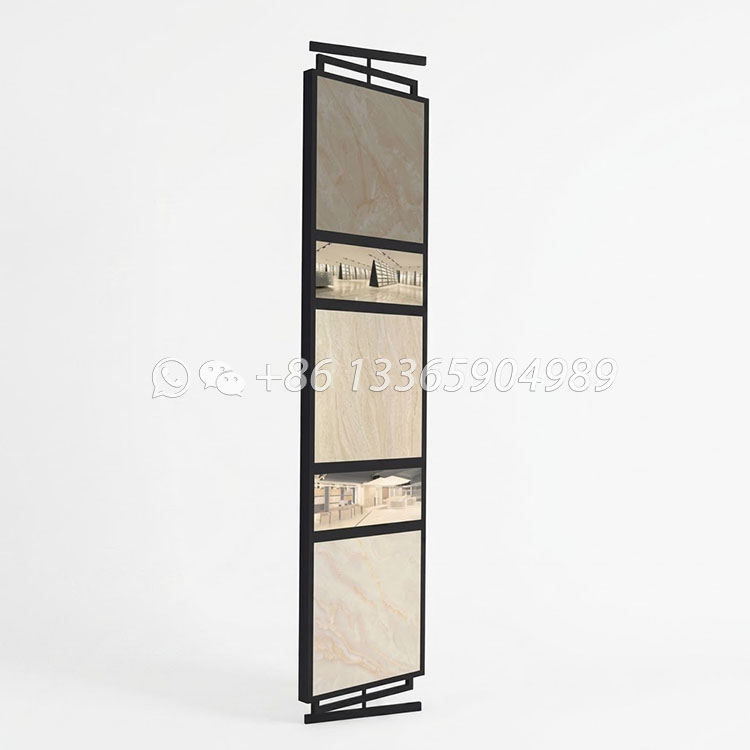
We engineered the SG2009 center of gravity 40% below the frame midpoint after studying how customers interact with stone displays. They lean slabs forward to see the polished face, and the rack must n
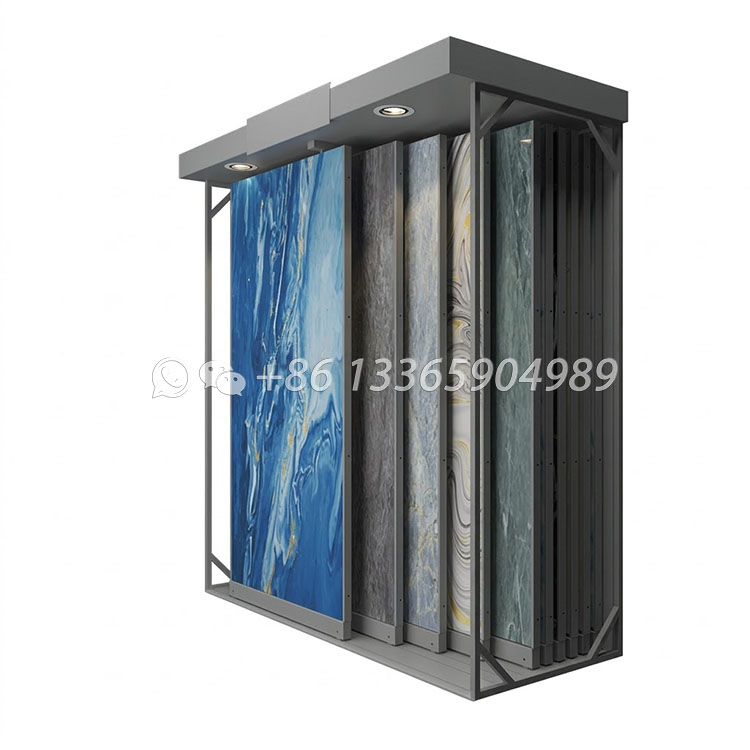
The SG2060 frame uses CNC-welded joints throughout — every structural connection is a continuous weld bead, not a bolt and washer. This doubles the load rating compared to bolt-together designs.

The FACTORY frame uses CNC-welded joints throughout — every structural connection is a continuous weld bead, not a bolt and washer. This doubles the load rating compared to bolt-together designs.
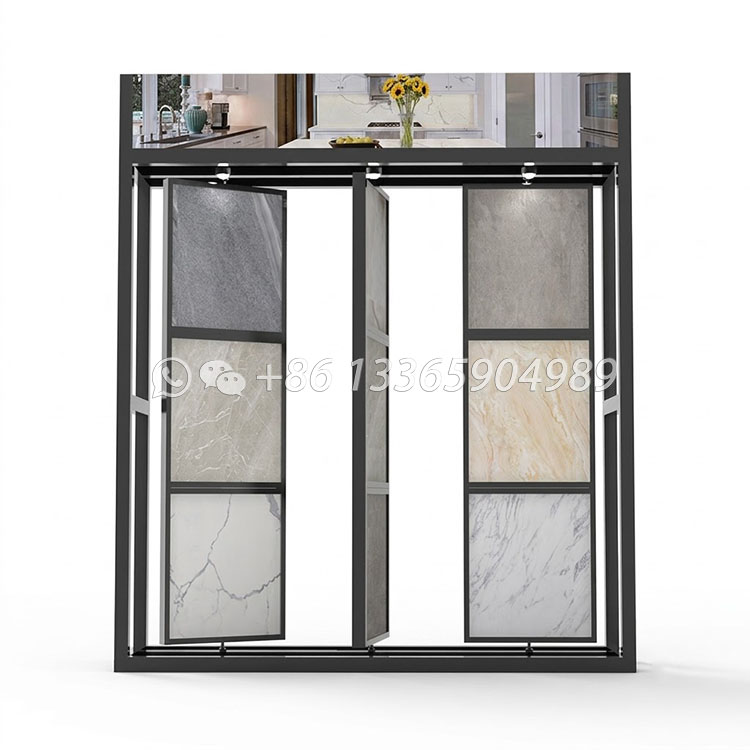
We engineered the SG006 center of gravity 40% below the frame midpoint after studying how customers interact with stone displays. They lean slabs forward to see the polished face, and the rack must no